

Is Fragrance World B Rouge a dupe of Maison Francis Kurkdjian Baccarat Rouge 540?




 Baccarat Rouge 540 EDP
| EDP | Concentration | EDP |
| U | Gender | U |
| 2015 | Year | 2024 |
| $$$$ | Price Tier | $ |
 B Rouge EDP
B Rouge by Fragrance World is a budget-friendly alternative to the luxury icon Baccarat Rouge 540, but with a significant caveat. The key difference lies in refinement and ingredient quality. Baccarat Rouge 540 offers a crystalline sweetness and airy woods, while B Rouge can be perceived as harsher, with some reporting a burnt rubber scent. If you crave the Baccarat Rouge 540 DNA without the investment, B Rouge is an option, but be prepared for a potentially polarizing experience. The similarity is high, but the subtle differences are noticeable.
 →
Where they differ
Biggest gaps first. The bolder side leads.
ScentArt
How it unfolds
Notes
- Baccarat Rouge 540
- B Rouge
- in both
Tap a note to light it in both. A+B means both have it


Which Should You Buy?
- You want the original, high-quality ingredients.
- You prefer a smoother, more refined scent profile.
- You want the prestige and recognition of the original.
- You don't mind investing in a luxury fragrance.
- You want a very affordable alternative.
- You are curious about the Baccarat Rouge 540 DNA.
- You don't mind a potentially less refined scent.
- You want a fragrance with a strong projection.
The one everyone recognises: airy and dense at once, with saffron and jasmine and a sugary, mineral shimmer that stays on the skin for ages. Best on cool evenings.
Saffron and jasmine lead into a dense amber of ambergris and amberwood, braced by fir resin and cedar. Sweet, warm and resinous, it suits winter evenings; the woods can turn sharp, so try it on skin first.
Scent Profile
How They Wear
Mood
Notes
Heart Notes
Base Notes
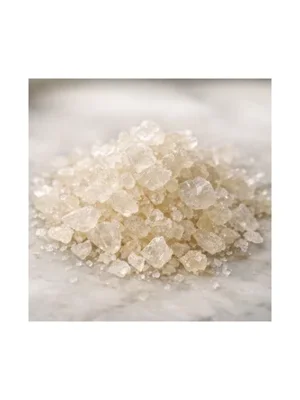 Ambroxan
13% share of the perfume
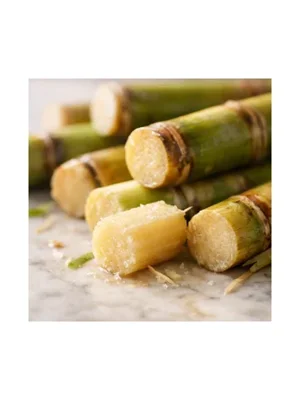 Sugar Cane
11% share of the perfume
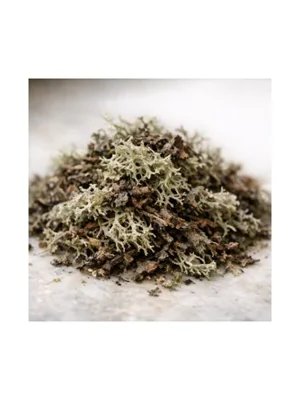 Oakmoss
7% share of the perfume
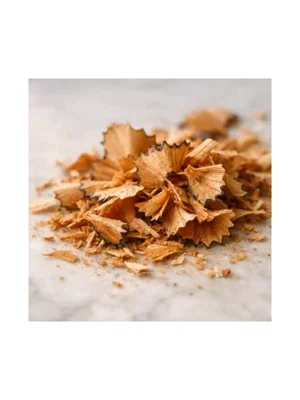 Cedar
6% share of the perfume
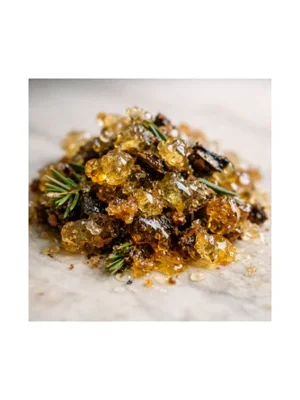 Canadian Fir Balsam
2% share of the perfume
Base Notes
Canadian Fir Balsam
18% share of the perfume
Cedar
13% share of the perfume
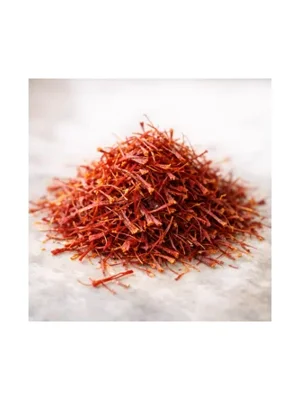 Saffron
17%
vs
19%
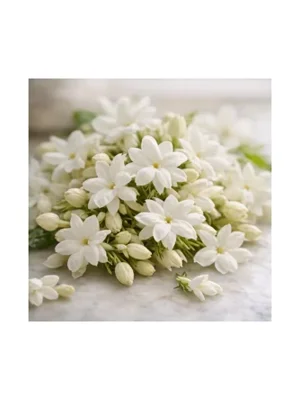 Jasmine
13%
vs
10%
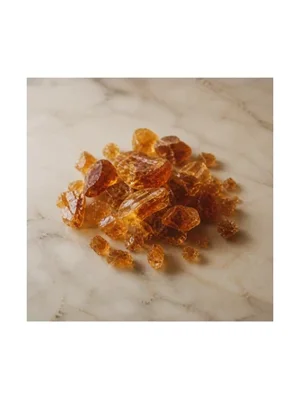 Amberwood
13%
vs
17%
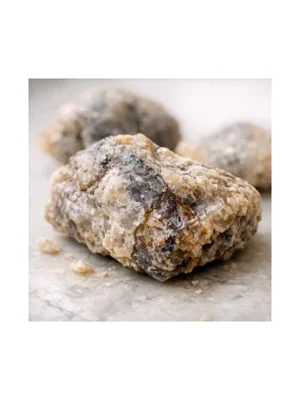 Ambergris
9%
vs
21%
Cedar
6%
vs
12%
Canadian Fir Balsam
1%
vs
17%
Amberwood
13%
vs
17%
Ambergris
9%
vs
21%
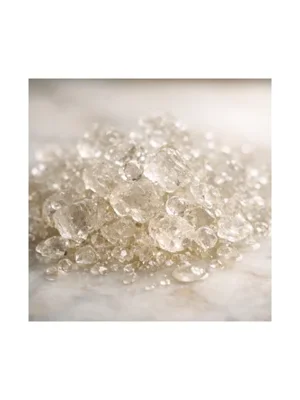 Hedione
7% share of the perfume
Cedar
6%
vs
12%
Canadian Fir Balsam
1%
vs
17%
Ambroxan
13% share of the perfume
Sugar Cane
11% share of the perfume
Oakmoss
7% share of the perfume
Note weights are our estimate from each note's place in the pyramid, not the share of the formula. Brands do not publish formulations.
Performance
Season and Occasion Fit
Seasons
Sweet amberwood and resin thrive in the cold: autumn and winter are the anchor, with cool spring evenings a possible extra. In summer heat it is overpowering.
Occasions
Carries well enough for formal events and date nights, where it is meant to be noticed. Its reach is wrong for an office or the gym.
Seasons
A winter perfume through and through - made for cold, dark months.
Occasions
This is a strong, distinctive scent with significant projection, making it less suitable for an office environment. Its warm, sensual accords are better suited for evening wear, like dates or formal events, where it can make a statement without overwhelming. Its contentious nature also makes it a risky casual choice for some.
Similarity Breakdown
Our estimate of how alike these two fragrances smell, calculated from their published notes. It is a position on our scale, not a measured percentage of shared smell.
Every one of its 6 notes is in the original, including Cedar, Saffron, Jasmine
Without ambroxan and hedione
Where to buy
Pick a size. The two cheapest offers, then the rest.






Prices before sales tax, which the shop adds at checkout.
ScentVerdict earns a commission from purchases - this doesn't affect our verdicts.