Bakhoor names no single substance
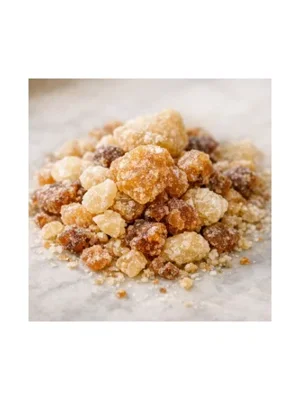
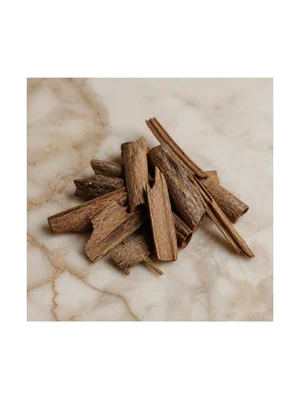
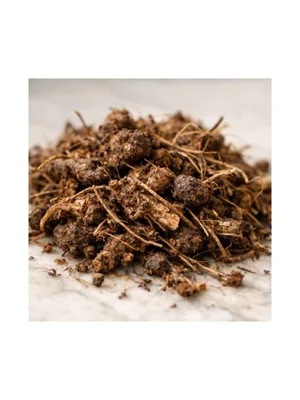
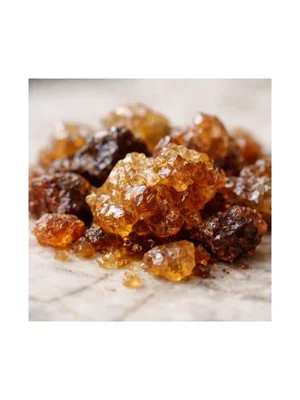
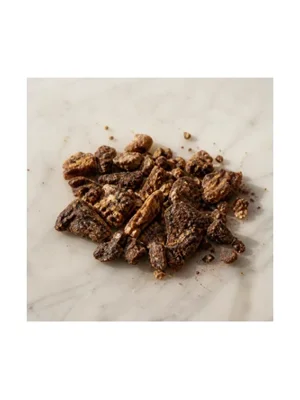
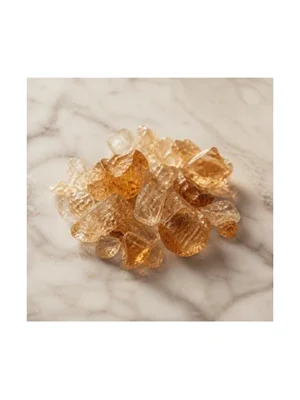
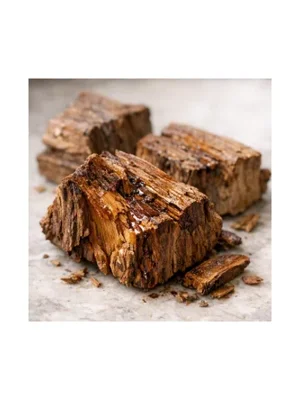
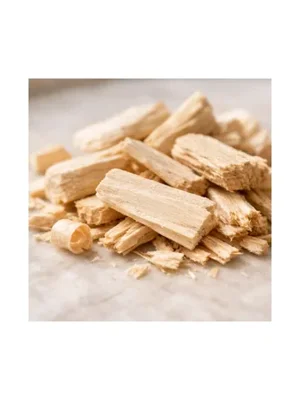
No material referentA burned incense preparation rather than a material - oud chips, resins and binders.
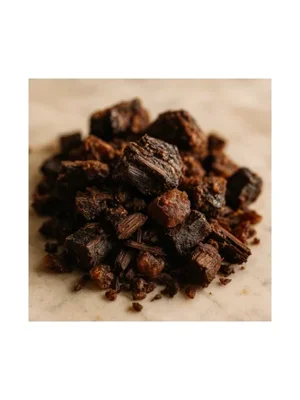
Note Profile
Bakhoor is a traditional Arabic incense accord based on wood chips soaked in fragrant oils and blended with resins, spices, and floral materials. In perfumery it represents the rich, smoky, oud- and amber-tinged aroma of bakhoor smoke and wood, often used to evoke Middle Eastern atmosphere and rituals of fumigation. It tends to sit in the base of a composition, lending warmth, depth, and a lingering scented trail.
Bakhoor smells of warm, smoky wood, like resin-soaked chips smouldering on coals rather than burning outright. Underneath the smoke sits a faint medicinal edge, part of the same wood. A soft resinous amber sweetness carries the smoke, sometimes joined by rose or jasmine and by warm spices such as clove and cardamom. It settles into a dense, clinging trail, the kind of scented smoke that stays in hair and fabric.
Read off the wheel, not a label applied to the note.
A burned incense preparation rather than a material - oud chips, resins and binders.
Culturally, bakhoor originates in the Middle East and surrounding regions, where it has been used for centuries to perfume homes, clothing, and hair, especially for guests and special occasions. It is made by soaking natural wood chips, often agarwood (oud) or other hardwoods, in fragrant oils and then mixing them with resins, floral extracts, and spices before the mixture is aged to deepen its scent. When burned on charcoal or heated in electric burners, the impregnated woods and resins release dense, aromatic smoke, which inspired its use as a named accord in modern perfumery.
In fine fragrance, a bakhoor note is employed as a **base-note accord** to suggest Middle Eastern incense rituals, lending depth, diffusion, and a smoky, woody-amber aura to oud, amber, and oriental compositions. Perfumers use it to bridge oud, incense, resins, and musks, often pairing it with rose, saffron, amber, and woody notes to create a sense of perfumed smoke and long-lasting warmth. It can also appear in contemporary niche scents to give a room-filling, atmospheric character reminiscent of fumigated textiles and interiors rather than a sharp church-incense effect.
A selection of reviewed perfumes where Bakhoor appears prominently.
No perfumes featuring this note have been reviewed yet. Check back soon.
New finds, honest verdicts, and price drops.
No spam. Unsubscribe anytime. See our privacy policy.