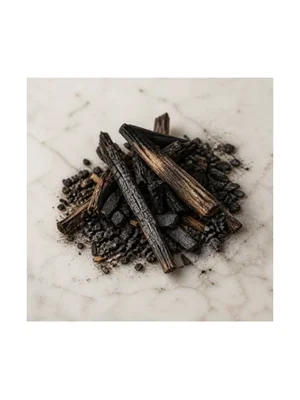
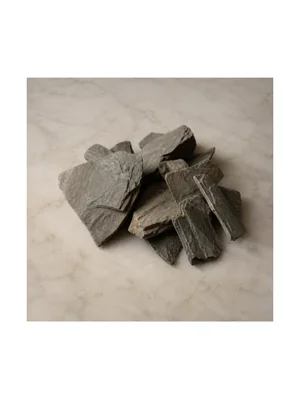
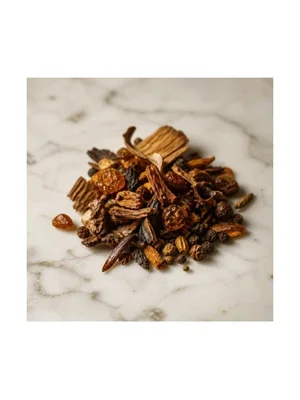
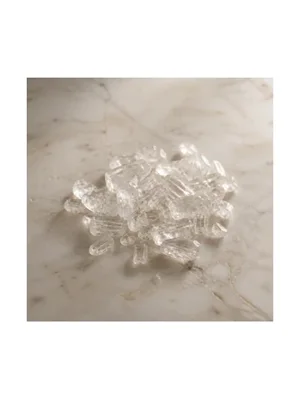
Flint names no single substance
No material referentStruck stone gives off almost nothing an extract could capture; the note is a mineral impression and names no substance.
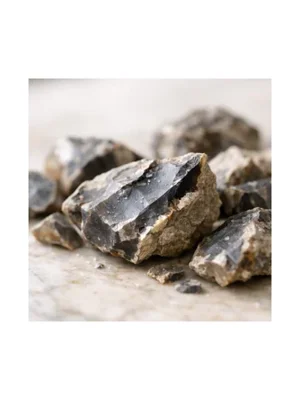
Note Profile
Stone
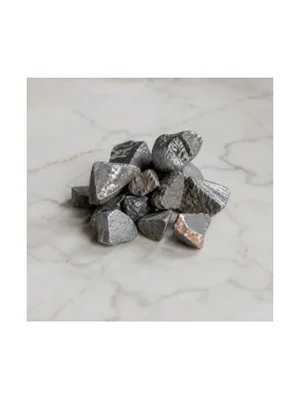
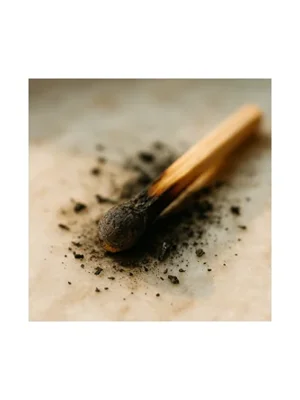
Flint in perfumery is used to evoke the scent of struck stones, wet rocks, or cold minerals, often described as metallic, mineralic, and slightly smoky. It adds a sharp, clean, and sometimes ozonic quality to fragrances, reminiscent of rain on hot pavement or the spark of a firestarter. This note is typically achieved using synthetic materials to create a unique, modern freshness.
Flint in perfumery presents a mineralic, metallic aroma with nuances of wet stone, cold steel, and a subtle smokiness reminiscent of struck rocks. It can evoke sensations of rain on hot pavement or the crisp air after a thunderstorm. The note evolves from a sharp, clean opening to a lingering, cool mineral facet.
Read off the wheel, not a label applied to the note.
Struck stone gives off almost nothing an extract could capture; the note is a mineral impression and names no substance.
Flint is not extracted from the stone itself but is recreated using synthetic molecules such as aldehydes, metallic notes, and certain ozonic compounds. These synthetics are carefully blended to mimic the olfactory impression of mineral surfaces and the scent of freshly struck flint. The note is a modern invention, with no direct natural extraction.
Perfumers use flint primarily in the heart or base of a composition to impart a mineralic, contemporary freshness. It is often paired with aquatic, woody, or citrus notes to enhance a sense of clean air or stony landscapes. Flint is valued for its ability to add texture and a distinctive, abstract edge to modern fragrances.
Perfumers known for using Flint include
Jean-Claude Ellena
A selection of reviewed perfumes where Flint appears prominently.
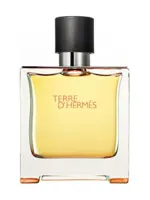
Parfum · 2009
Hermès
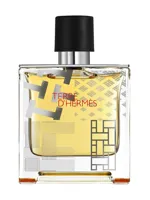
Parfum · 2016
Hermès
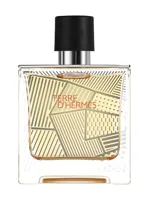
Parfum · 2020
Hermès
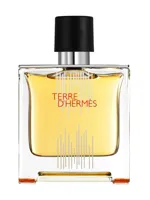
Parfum · 2021
Hermès
EDP
Rebel Aromas
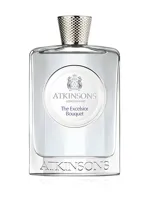
EDT · 2015
Atkinsons
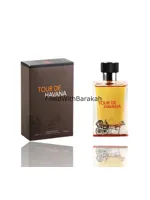
EDP · 2021
Fragrance World
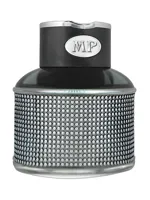
EDP
Chris Adams
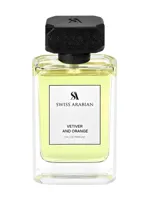
EDP
Swiss Arabian
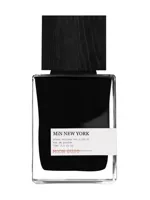
EDP · 2014
MiN NEW YORK
New finds, honest verdicts, and price drops.
No spam. Unsubscribe anytime. See our privacy policy.