Smoke names no single substance
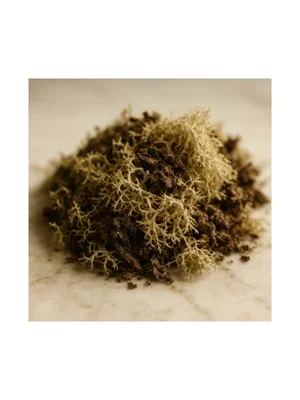
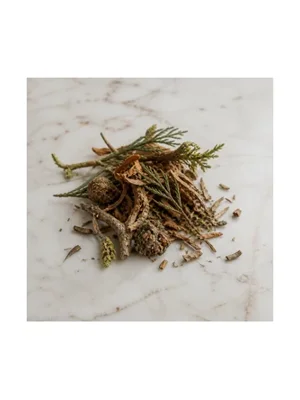
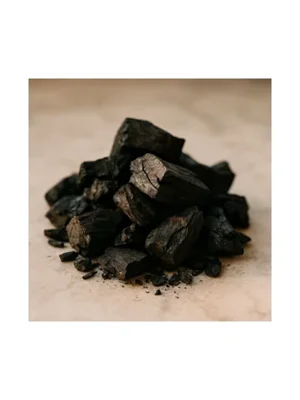
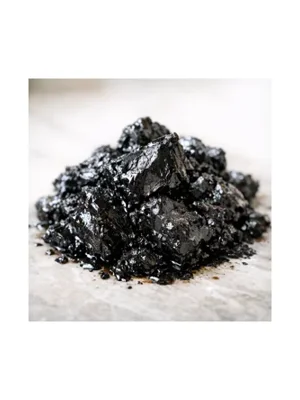
No material referentAn effect, not a substance. Delivered by birch tar, guaiacol or cade depending on the composition.
Note Profile
Campfire Smoke, Smoky, Smoky Notes
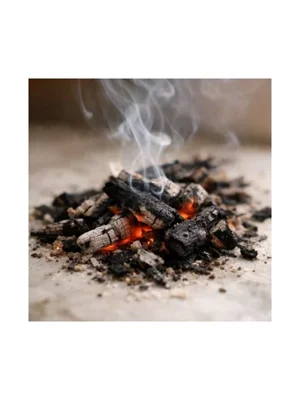
Smoke in perfumery conjures the scent of burning wood, charred embers, and the lingering warmth of a fire. It can range from dry, ashy, and slightly acrid to sweet, resinous, or even leathery, depending on the blend. This note adds depth and a mysterious, atmospheric quality to fragrances.
Smoke in perfumery presents a multifaceted aroma, evoking burning wood, charred embers, and dry ash. It can reveal nuances of sweetness, resin, or leather, and often evolves from a sharp, acrid opening to a warmer, lingering finish. The note imparts a sense of atmospheric depth and complexity, reminiscent of fireplaces or smoldering campfires.
Read off the wheel, not a label applied to the note.
An effect, not a substance. Delivered by birch tar, guaiacol or cade depending on the composition.
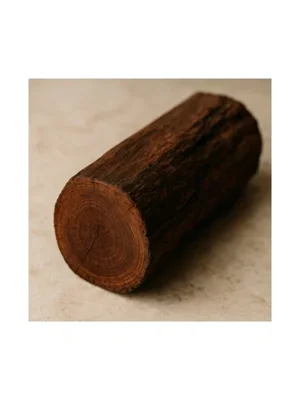
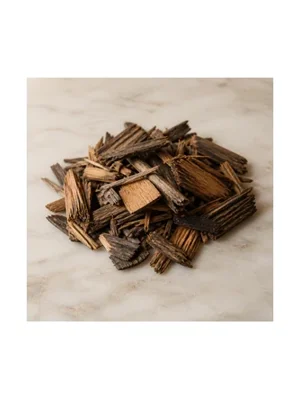
Smoke notes are typically created using natural materials such as birch tar, cade oil, or guaiac wood, as well as synthetic smoky aroma chemicals. Extraction methods include destructive distillation or pyrolysis, which capture the volatile compounds released during controlled burning. These materials are then refined for safe and consistent use in perfumery.
Perfumers use smoke primarily as a base or heart note to add depth, warmth, and a mysterious character to woody, leather, or oriental compositions. It blends well with woods, resins, spices, and certain florals, and is often used in niche or avant-garde fragrances. Smoke can balance sweetness or freshness, lending a sophisticated, atmospheric quality to the overall scent.
Perfumers known for using Smoke include
Delphine Jelk, Thierry Wasser, Nadeem Crowe, Bertrand Duchaufour, Karine Vinchon-Spehner, and Manuel Alejandro Bojorquez Segovia
A selection of reviewed perfumes where Smoke appears prominently.
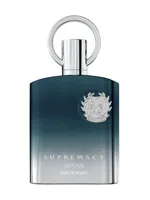
EDP · 2020
Afnan
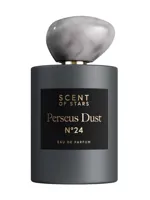
EDP · 2026
Scent of Stars
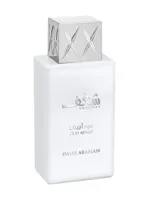
EDP
Swiss Arabian
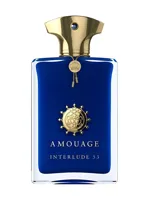
Extrait · 2020
Amouage
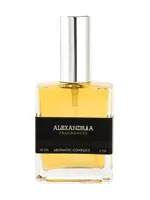
Extrait · 2017
Alexandria Fragrances
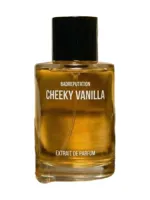
EDT · 2026
BADREPUTATION
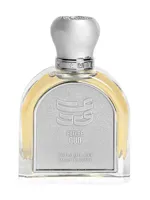
EDT · 2026
Emirates Pride Perfumes
EDP
Perfume Parlour
EDP · 2023
Fine'ry.
Extrait · 2020
Alexandria Fragrances
New finds, honest verdicts, and price drops.
No spam. Unsubscribe anytime. See our privacy policy.