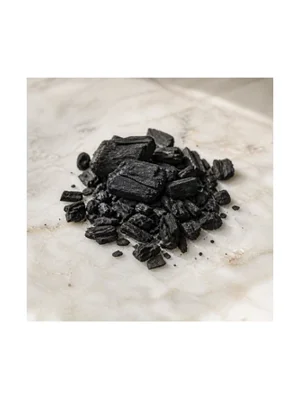
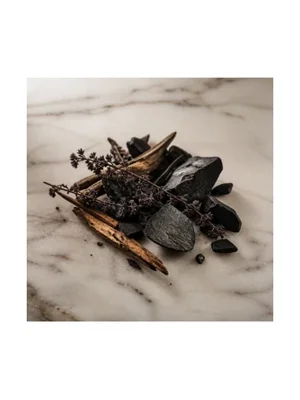
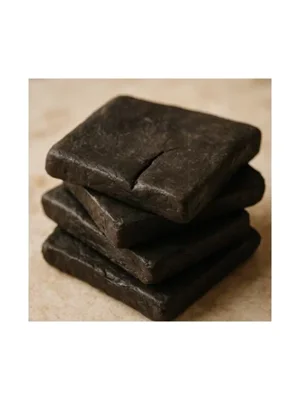
Coal names no single substance
ReconstructedCombustion residue; the note is an impression.
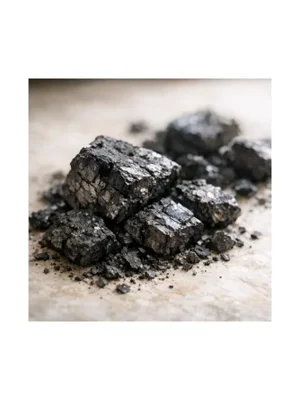
Note Profile
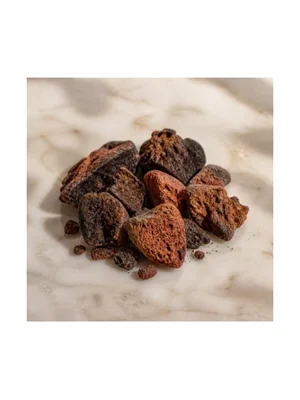
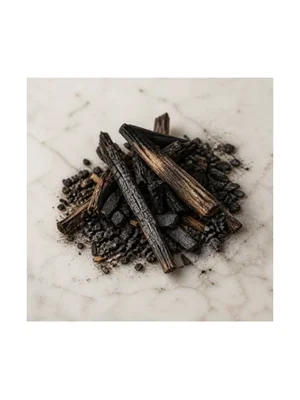
Coal as a raw material is not used in perfumery, but the idea of its scent is sometimes recreated through smoky, ashy, or tar-like accords. The concept would evoke a dark, mineral, and burnt aroma reminiscent of smoke, charred wood, and earth.
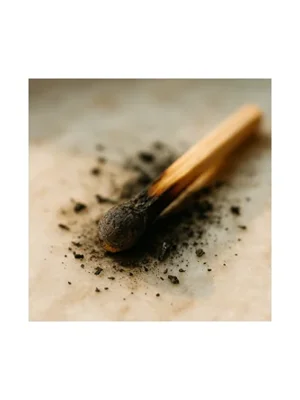
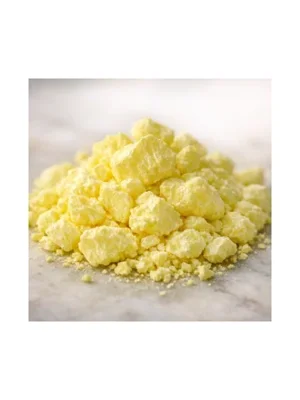
Coal-inspired accords in perfumery evoke a smoky, mineral aroma with a faintly sulphurous edge and nuances of charred wood and burnt earth. Under the smoke sits a tarry-phenolic depth - the phenol and cresol of coal tar rather than the guaiacol of fresh wood smoke. The scent can evolve from sharp, dry smoke to a warm, resinous, dark finish. It is reminiscent of the atmosphere around burning coal or extinguished embers.
Read off the wheel, not a label applied to the note.
Combustion residue; the note is an impression.
Coal itself is not used as a perfumery material due to its unsuitability for extraction and safety concerns. Instead, perfumers recreate the impression of coal using combinations of birch tar, cade oil, guaiac wood, and smoky synthetic molecules. These materials are blended to mimic the olfactory facets associated with coal and burnt wood.
Coal-inspired notes are typically used in the heart or base of fragrances to impart depth, darkness, and a smoky character. They are often paired with woods, resins, leathers, and spices to create atmospheric, avant-garde, or masculine compositions. Such accords can anchor smoky or mineral-themed perfumes and add complexity to incense or oud blends.
A selection of reviewed perfumes where Coal appears prominently.
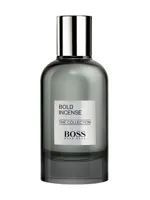
EDP · 2021
Hugo Boss
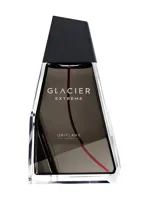
EDP · 2024
Oriflame
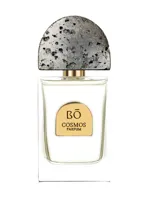
EDT · 2025
House of BŌ
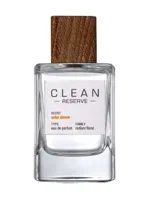
EDP · 2019
Clean

EDP
Perfume Parlour
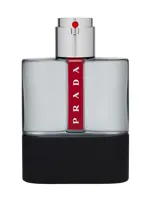
EDT · 2017
Prada
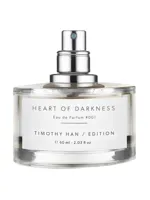
EDP · 2019
Imprint
New finds, honest verdicts, and price drops.
No spam. Unsubscribe anytime. See our privacy policy.