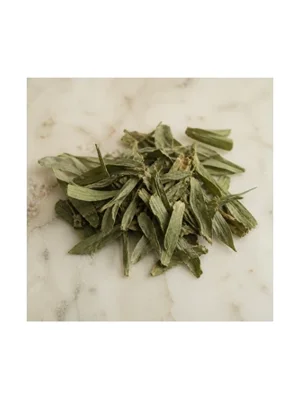
Toscanol is a Givaudan aroma chemical with a distinctive anisic, sweet-spicy and herbal character. It combines facets of licorice, sassafras and anise with green, agrestic nuances, often compared to a softer, non-pungent ginger. Perfumers use it to boost diffusion and add a warm, aromatic spice tone to compositions.
Scent Profile
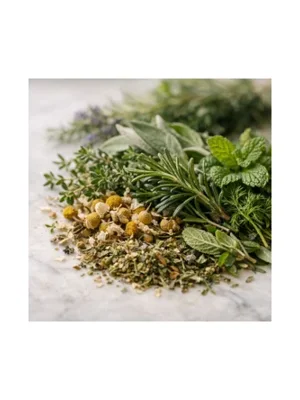
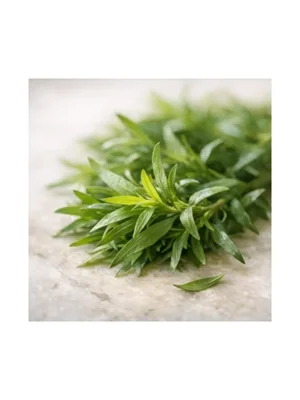
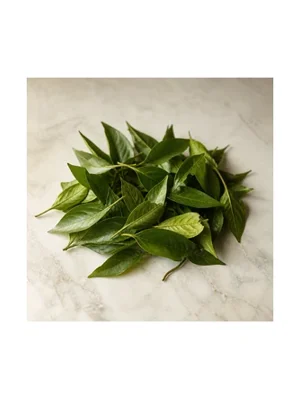
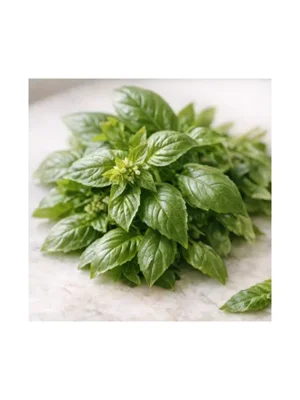
Olfactorily, Toscanol presents a pronounced **anisic** and **licorice-like** top that quickly reveals sweet-spicy nuances reminiscent of sassafras, root beer and gently clove-like warmth. It carries herbal and green facets suggestive of basil or tarragon, along with subtle touches of saffron, myrtle, opoponax and caraway that add complexity. The overall effect is an agrestic, aromatic spice note that is smoother and less pungent than raw eugenol or ginger and contributes notable diffusion and persistence.
Read off the wheel, not a label applied to the note.
What this is made of
1-(cyclopropylmethyl)-4-methoxybenzene
Names this molecule
CAS 16510-27-3
CORRECTED 2026-08-14: this edge said the material was not held, and it is - as '1-(cyclopropylmethyl)-4-methoxybenzene' (CAS 16510-27-3). The gap was in the LOOKUP, not the catalogue: we store this molecule under its systematic or registry name, the edge was authored against the trade name, and nothing matched. Supplier catalogues published the CAS and PubChem confirmed it (CID 6422476). Previously: A Givaudan captive we do not hold. The material that would realise this note is Toscanol; we do not hold it, so this edge names the gap rather than as
Toscanol is a synthetic perfumery material developed by Givaudan, chemically related to estragole (methyl chavicol) and described as sassafras acetate. It was designed to replace chavicol-type materials while providing improved stability, intensity and longevity in fragrance compositions. The ingredient is produced by industrial organic synthesis rather than plant extraction, although its odor profile is inspired by natural herbs such as basil, tarragon and sassafras.
Usage in Perfumery
Perfumers use Toscanol in fine fragrances and functional products to introduce anisic, sweet-spicy and herbal accents, often in spicy, aromatic, fougère and woody structures. It is particularly valued for enhancing diffusion, extending longevity, and refreshing spicy and lavender accords, and it can function as a substitute for basil oil, tarragon oil, synthetic estragole and safrole. Typical applications include adding character to warm spicy blends, reinforcing licorice or anise themes, and providing an agrestic bridge between herbal top notes and resinous or woody bases.
A selection of reviewed perfumes where Toscanol appears prominently.
No perfumes featuring this note have been reviewed yet. Check back soon.
We count visits to see which pages help people and to improve the site.
No advertising, and no tracking across other sites.
Read our cookie policy
Cookie Preferences
Analytics is on unless you switch it off here. Essential cookies cannot be
disabled as they're required for the website to function.
Always On
Required for the website to function. Includes session management and security tokens.
Counts visits and which pages people use, so we can improve the site. We use
Google Analytics with its advertising features switched off, plus our own
cookieless visit counter. Switching this off stops both.