



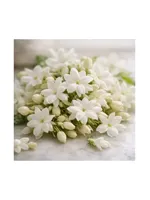
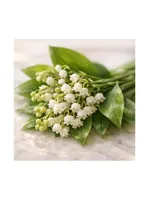

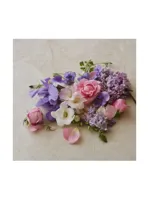






Il Bacio
EDP
Borghese
Statement
Italian heritage cosmetics house with a small, feminine fragrance portfolio built around classic designer tropes.
Borghese is a beauty and fragrance brand that grew out of the cosmetics line created by Princess Marcella Borghese in partnership with Revlon in the late 1950s. The contract that launched the Princess Marcella Borghese cosmetics line took effect on January 1, 1958, marking the official birth of the brand. Drawing on recipes she had commissioned since the 1930s, the princess worked with Charles Revson to translate these bespoke creams and color products into a commercial range that carried her name.
Initially focused on high end cosmetics sold in premium department stores, Borghese later expanded into fragrance, with Di Borghese eau de parfum introduced in 1978 as the house’s first perfume. Over time, the brand added further scents, including Il Bacio, turning fragrance into a complementary pillar alongside skincare and makeup. The company is now privately held, headquartered in New York City, and continues to trade simply as Borghese under the leadership that followed Revlon’s divestiture of the firm in the early 1990s.
Throughout these changes, Borghese has kept an Italian spa and natural ingredient narrative at the core of its identity, with products and scents frequently marketed around Tuscan inspirations and treatment focused beauty. In fragrance, this translates into polished, conventionally feminine compositions that sit comfortably within the designer segment rather than experimental niche perfumery.
A designer, mid house known for floral compositions.
From 1958 through the 1970s, Borghese operated primarily as a premium cosmetics line, with fragrance entering the picture in 1978 via Di Borghese. Later launches such as Il Bacio in the 1990s showed the brand leaning into broadly appealing fruity florals aligned with mainstream designer trends. After shifting to private ownership in the early 1990s, the company sharpened its focus on spa inspired skincare, leaving fragrance as a smaller but consistent part of the portfolio. The current positioning emphasizes treatment focused beauty backed by science, with perfumes remaining relatively traditional and supportive of the core brand story.
As a fragrance player, Borghese is solid but narrow: the scents are pleasant, romantic and easy to wear, yet rarely game changing. If you like classic department store style femininity with an Italian spa narrative on the side, it is worth exploring, but collectors seeking boundary pushing perfumery will find more excitement elsewhere.
Favourite - easy to wear anywhere · Statement - bold & distinctive · Acquired - bold, for fewer occasions
New finds, honest verdicts, and price drops.
No spam. Unsubscribe anytime. See our privacy policy.