































Beautiful
EDP
Estée Lauder
Favourite
American designer perfumery across florals, woods and amber
All 97 Estée Lauder perfumes on ScentVerdict have a verdict. 50 are Favourites, 37 are Statements and 10 are Acquired. A typical one lasts about 4 to 6 hours on skin. Each verdict sorts a perfume by character, using the same measures for every house, whatever it costs or who makes it.
Estée Lauder is the flagship fragrance and beauty brand of The Estée Lauder Companies, built around the name and work of its founder. Estée and Joseph Lauder launched Estée Lauder Cosmetics in New York in 1946. Estée led creativity, product development and sales, while Joseph managed finance and operations. Their first department-store order followed in 1947. Youth-Dew became the brand’s defining early fragrance in 1953, first offered as a bath oil that doubled as perfume. The line expanded during the late 1960s and 1970s with Estée, Azurée, White Linen and Private Collection, each bringing a different direction to the collection.
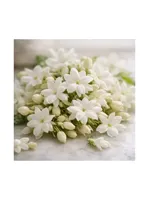
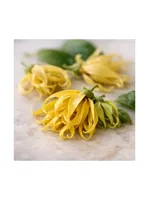
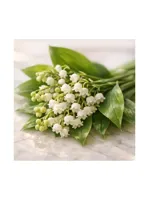
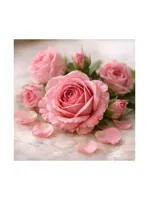
The catalogue retains these classics alongside later releases such as Beautiful, Pleasures, Knowing, Cinnabar, Bronze Goddess and Modern Muse. Jasmine and rose recur alongside sandalwood, amber, musk, vanilla, patchouli and citrus. The range spans floral and aldehydic compositions, greener and brighter styles, and warmer woody, musky or amber scents. Individual releases have distinct structures, so no single accord describes the whole line.
Estée Lauder sits in designer perfumery, within the premium part of the market. Fragrance is one part of a wider beauty business that also includes skincare and cosmetics, under The Estée Lauder Companies.
A designer, premium house known for floral compositions.
The fragrance line began with Youth-Dew in 1953, then expanded through Estée, Azurée, White Linen and Private Collection. Later releases added new floral, amber, woody and fresher directions, while the range continued to sit within the company’s wider beauty portfolio.
Estée Lauder is a heritage designer fragrance line with a broad floral, woody, amber and musky catalogue. Its collections range from classic aldehydic styles to brighter and more contemporary compositions.
Favourite - An approachable, versatile choice for everyday wear · Statement - A deliberate choice for its distinctive character, noticeable presence or particular setting · Acquired - A specialist choice whose character or wearing demands reward knowing your taste
EDP
Estée Lauder

EDP
Estée Lauder

EDP
Estée Lauder

EDP
Estée Lauder

EDP
Estée Lauder

EDP
Estée Lauder

EDP
Estée Lauder

EDP
Estée Lauder
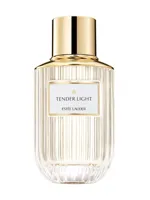
EDP
Estée Lauder

EDP
Estée Lauder
New finds, honest verdicts, and price drops.
No spam. Unsubscribe anytime. See our privacy policy.