

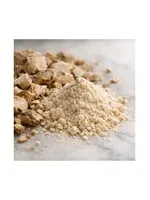
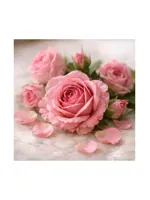
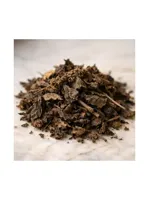


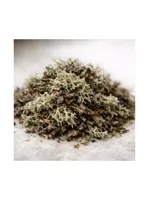



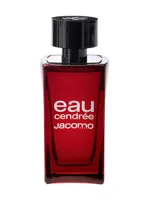
Eau Cendrée
EDT
Jacomo Paris
Acquired
French niche label known for characterful, art-inspired perfumes at accessible prices.
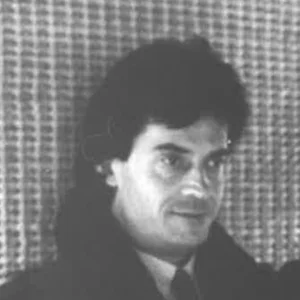
Jacomo began as a creative partnership between American entrepreneur James Kaplan and Frenchman Gérard Courtin, who first collaborated on a leather and fashion boutique on New York's Fifth Avenue in the late 1960s. Courtin, increasingly fascinated by perfumery, returned to France and immersed himself in the Grasse fragrance industry before founding the perfume house Jacomo Paris in 1970, working from an atelier on Avenue George V in Paris. The name "Jacomo" itself derives from "Ja" for James, "Co" for Courtin, and "Mo" added for its musical sound, reflecting the founders' shared interest in art and music.
From the outset, Jacomo Paris linked perfume with visual art: early bottles were inspired by sculptures in New York's Museum of Modern Art. Courtin created early signatures such as Eau Cendrée, Chicane and Silences, which helped establish the house's reputation in France and abroad. Over time, production and development consolidated in Deauville, France, where, according to Groupe Vabel, Jacomo fragrances have been made for more than 35 years.
Today Jacomo Paris operates under Groupe Vabel and continues to position itself as a French haute parfumerie label, working with perfumers in Grasse and elsewhere. The brand's catalog ranges from green and austere compositions like Silences to darker woods and orientals such as Jacomo de Jacomo, maintaining a focus on characterful, relatively affordable scents rather than mass-market crowd-pleasers.
A niche, mid house known for green florals compositions.
Jacomo started with sharply defined, art-influenced compositions like Silences and Eau Cendrée that fit the green, woody and chypre codes of the 1970s. In the 1980s and 1990s, the house added bolder woods and orientals such as Jacomo de Jacomo, aligning with the era's power-fragrance aesthetic while maintaining a more refined French touch. Under Groupe Vabel and Deauville-based production, newer releases have cautiously modernized the palette and packaging without fully chasing sugary or celebrity-style trends, keeping the line appealing to enthusiasts who favor character over fashion. Overall, Jacomo's trajectory has been one of quiet continuity rather than constant reinvention, which appeals to fragrance fans looking for stability and recognizable house style. The catalog feels curated rather than flooded with yearly flankers, even if this means less buzz in the mainstream market.
Jacomo is a smart pick if you want distinctive, slightly vintage-leaning perfumes without paying full niche prices. If you prioritize flashy branding or ultra-trendy sweetness, this house will probably feel too reserved and old-school.
Favourite - easy to wear anywhere · Statement - bold & distinctive · Acquired - bold, for fewer occasions
EDT
Jacomo Paris
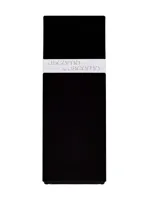
EDT
Jacomo Paris
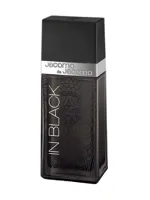
EDT
Jacomo Paris
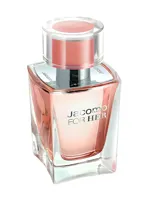
EDP
Jacomo Paris
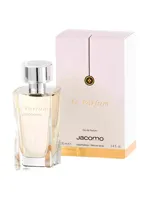
EDP
Jacomo Paris
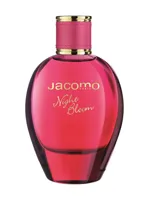
EDP
Jacomo Paris
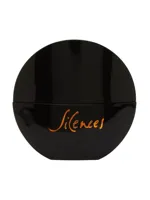
EDP
Jacomo Paris
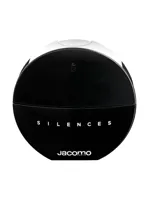
EDP
Jacomo Paris
New finds, honest verdicts, and price drops.
No spam. Unsubscribe anytime. See our privacy policy.