






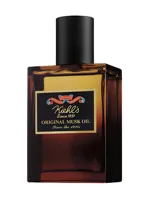
160th Anniversary Limited Edition Original Musk Oil
EDT
Kiehl's
Acquired
New York apothecary brand offering clean, low-key fragrances built around musk, citrus and fresh accords.
Kiehl's began in 1851 as a neighborhood apothecary at the corner of Third Avenue and 13th Street in New York City's East Village. The pharmacy, founded by John Kiehl, originally focused on homeopathic remedies, teas, tinctures, and traditional pharmaceutical preparations. In 1921, John Kiehl's apprentice Irving Morse purchased the business and gradually expanded it into a full-service pharmacy, introducing early Kiehl's branded preparations that still draw on that apothecary heritage.
Under Irving Morse and later his son Aaron Morse, Kiehl's shifted its emphasis in the 1960s toward skin, hair, and body care, adding what would become some of its best-known products and establishing a strong sampling culture that encouraged customers to try formulas before buying. The brand's Original Musk Oil, referenced by Kiehl's as its signature scent, grew out of this period and became a pillar of its small but recognizable fragrance lineup.
In 2000, Kiehl's was acquired by French cosmetics group L'Oréal, which expanded its global retail footprint while keeping the original East Village store in the same location it has occupied since 1851. Today, Kiehl's perfumes remain a niche within a much larger skincare-focused catalog, generally reflecting the brand's apothecary roots with straightforward compositions and functional, low-fuss packaging rather than ornate presentation.
Kiehl's fragrances are typically positioned as everyday-wearable companions to its grooming products, often revisiting themes like clean musk, soft florals, and light citrus. They tend to appeal most to consumers who already trust the brand for skincare and want unobtrusive scents that integrate easily into a daily routine, rather than statement-making perfumery designed to dominate a room.
A mass market, mid house known for musk compositions.
Kiehl's fragrance offering grew out of its apothecary past, initially as simple musks and functional colognes to complement grooming products. After the 1960s shift toward skin and hair care, scents like Original Musk became brand markers rather than the main business. Under L'Oréal, the perfume portfolio expanded modestly, but Kiehl's has remained conservative in launches, generally updating packaging and flankers rather than chasing every trend. In recent years, the brand has leaned into clean, gender-neutral and easy-wear profiles that match its broader positioning in personal care.
Kiehl's is a smart choice if you want discreet, clean fragrances from a brand you may already trust for skincare, not if you are hunting for high-art perfumery. The scents are pleasant and practical but rarely memorable for hardcore fragrance enthusiasts.
Favourite - easy to wear anywhere · Statement - bold & distinctive · Acquired - bold, for fewer occasions
EDT
Kiehl's
Body Spray
Kiehl's
Body Spray
Kiehl's
Body Spray
Kiehl's
EDT
Kiehl's
EDT
Kiehl's
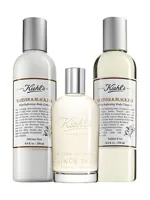
EDT
Kiehl's
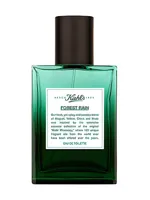
EDT
Kiehl's
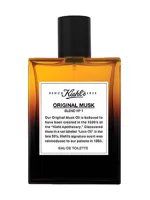
EDP
Kiehl's
New finds, honest verdicts, and price drops.
No spam. Unsubscribe anytime. See our privacy policy.