

Is Dossier Woody Sandalwood a dupe of Le Labo Santal 33?








 Santal 33 EDP
| EDP | Concentration | EDP |
| U | Gender | U |
| 2011 | Year | 2021 |
| $$$$ | Price Tier | $ |
 Woody Sandalwood EDP
While both are woody sandalwood fragrances, Le Labo's Santal 33 has a creamier, more pronounced sandalwood focus that projects confidently. Dossier's Woody Sandalwood offers a drier, more linear experience with sharper green nuances and a subdued projection. Santal 33 has better performance and is more recognizable. Woody Sandalwood is a more budget-friendly, subtle alternative for those who appreciate the sandalwood profile but prefer a quieter scent bubble. If you want the original, go with Santal 33, but if you want a more affordable dupe, Woody Sandalwood is great.
 →
Where they differ
Biggest gaps first. The bolder side leads.
ScentArt
How it unfolds
Notes
- Santal 33
- Woody Sandalwood
- in both
Tap a note to light it in both. A+B means both have it


Which Should You Buy?
- You want a powerful and recognizable sandalwood scent.
- Longevity and projection are important to you.
- You appreciate a creamy, less linear sandalwood.
- You want the original and best version of this style.
- You prefer a drier, more subtle sandalwood fragrance.
- You're looking for a budget-friendly alternative.
- You want a sharp and minimalist woody scent.
- You like softer projections and intimate scents.
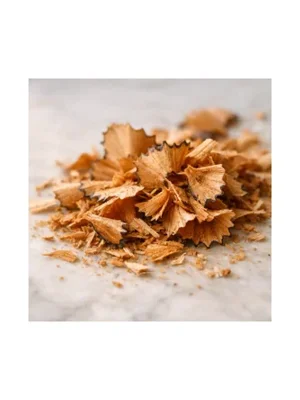
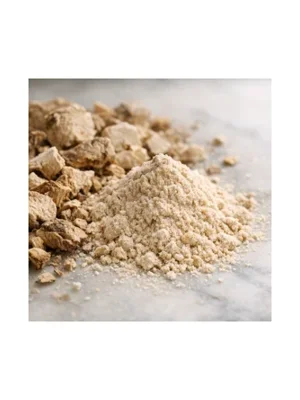
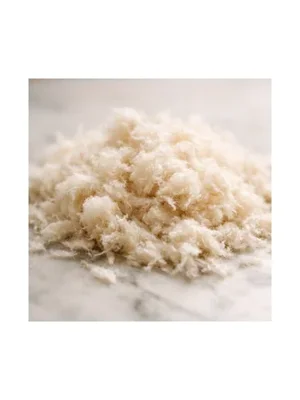
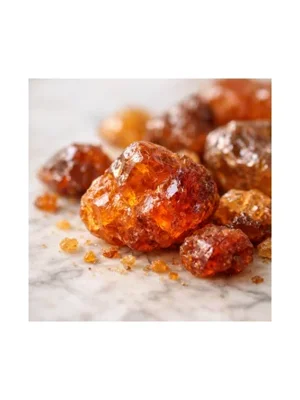
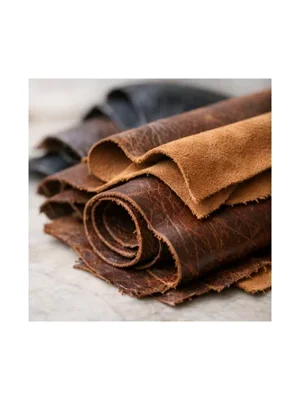
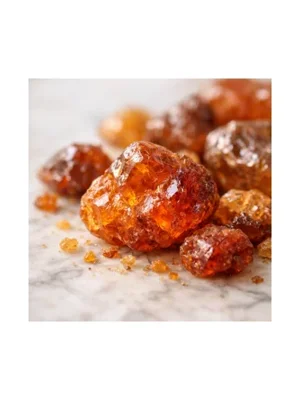
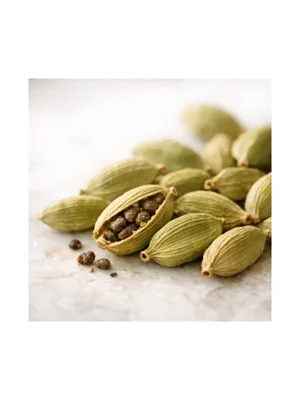
Cardamom and violet cut through dry papyrus and sandalwood, while iris softens leather, cedar, ambrox and musk.
A dry, woody, unisex statement that's both modern and contemplative. The powdery sandalwood and sharp green nuances evoke minimalist confidence, but its linearity and subtle projection keep it quietly intriguing rather than showy.
Scent Profile
How They Wear
Mood
Notes
Top Notes
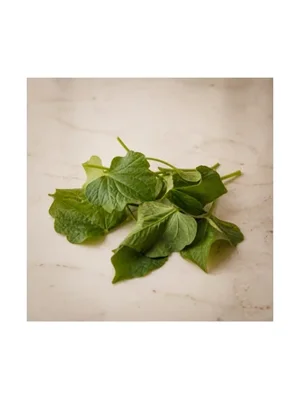
Heart Notes
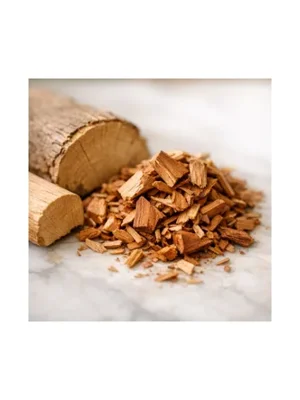 Sandalwood
20% share of the perfume
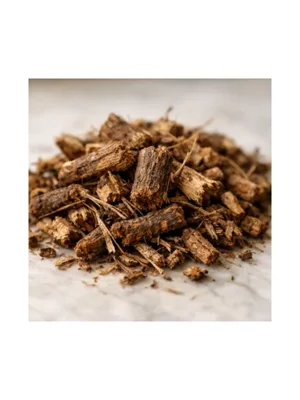 Papyrus
12% share of the perfume
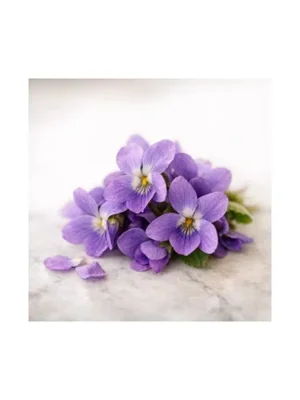 Violet
12% share of the perfume
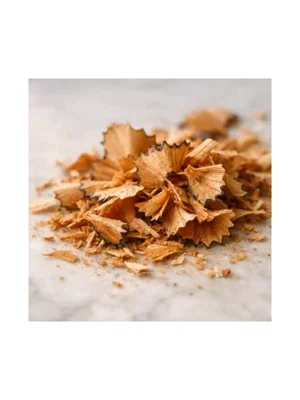 Cedar
12% share of the perfume
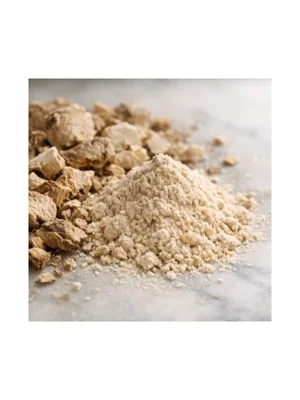 Iris
7% share of the perfume
Heart Notes
Cedar
14% share of the perfume
Iris
13% share of the perfume
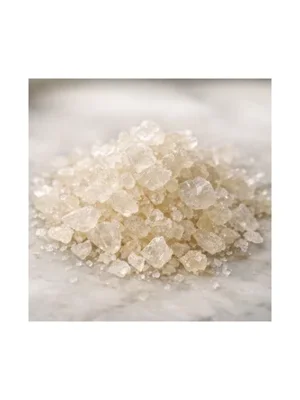 Ambroxan
3% share of the perfume
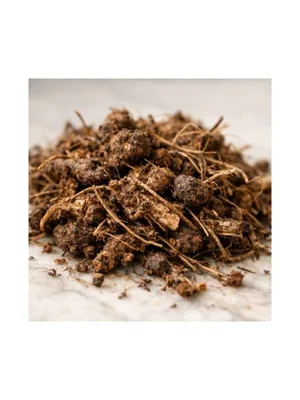 Cypriol Oil or Nagarmotha
2% share of the perfume
Base Notes
 Sandalwood
19%
vs
20%
Cedar
12%
vs
14%
Ambroxan
8%
vs
3%
Iris
7%
vs
13%
 Cardamom
7%
vs
12%
 Musk
5%
vs
6%
Cedar
12%
vs
14%
Iris
7%
vs
13%
Sandalwood
20% share of the perfume
Papyrus
12% share of the perfume
Violet
12% share of the perfume
Ambroxan
3% share of the perfume
Cypriol Oil or Nagarmotha
2% share of the perfume
Note weights are our estimate from each note's place in the pyramid, not the share of the formula. Brands do not publish formulations.
Performance
Season and Occasion Fit
Seasons
The dry woods and leather give the scent more weight in autumn, while violet and iris keep a floral lift in spring; its summer value is lower than the others.
Occasions
Cardamom, violet and iris give a balanced character across casual, date and formal settings; the quiet leather-and-wood profile is less aligned with sport and office.
Seasons
Balances sharp green notes and creamy sandalwood, making it ideal for transitional weather in spring and fall. The woody warmth suits cooler days, but the fresh, green, and powdery facets keep it wearable in early summer; it's less suited to deep winter's intensity.
Occasions
Projection and complexity make it appropriate for casual and office wear, with a subtle sophistication for dates. The dry, musky-woody character is less suited to formal black-tie or sporty contexts.
Similarity Breakdown
Our estimate of how alike these two fragrances smell, calculated from their published notes. It is a position on our scale, not a measured percentage of shared smell.
Shares 6 of its 9 notes, including Cedar, Ambroxan, Musk
Adds amber and cypriol oil or nagarmotha, drops leather and papyrus
Where to buy
Pick a size. The two cheapest offers, then the rest.





Prices before sales tax, which the shop adds at checkout.
ScentVerdict earns a commission from purchases - this doesn't affect our verdicts.