

Is Maison Alhambra Philos Rosso a dupe of Maison Francis Kurkdjian Baccarat Rouge 540?






 Baccarat Rouge 540 EDP
| EDP | Concentration | EDP |
| U | Gender | U |
| 2015 | Year | 2022 |
| $$$$ | Price Tier | $ |
 Philos Rosso EDP
Philos Rosso mimics Baccarat Rouge 540 but diverges significantly in its accord profile. BR540 features a distinct metallic, airy sweetness absent in Philos Rosso. Philos Rosso leans into a more straightforward amber and jasmine profile, often described as either softer or harsher, lacking BR540's signature complexity and radiant woods. Price is a major differentiator; BR540 is a luxury fragrance, while Philos Rosso is a budget-friendly alternative. If you seek the unique, shimmering experience of BR540, accept no substitutes. If you want something similar for less, Philos Rosso might do.
 →
Where they differ
Biggest gaps first. The bolder side leads.
ScentArt
How it unfolds
Notes
- Baccarat Rouge 540
- Philos Rosso
- in both
Tap a note to light it in both. A+B means both have it


Which Should You Buy?
- You want the original Baccarat Rouge 540 DNA.
- You appreciate high-quality ingredients and blending.
- You want the unique metallic sweetness.
- You need a statement fragrance with proven longevity.
- You want a Baccarat Rouge 540-like scent on a budget.
- You prefer a less intense and softer amber fragrance.
- You want a more accessible everyday take on the profile.
- You are okay with a less complex scent.
The one everyone recognises: airy and dense at once, with saffron and jasmine and a sugary, mineral shimmer that stays on the skin for ages. Best on cool evenings.
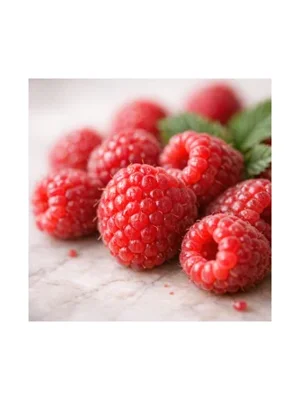
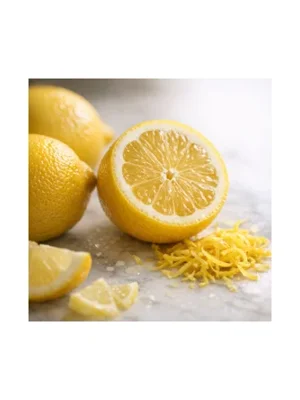
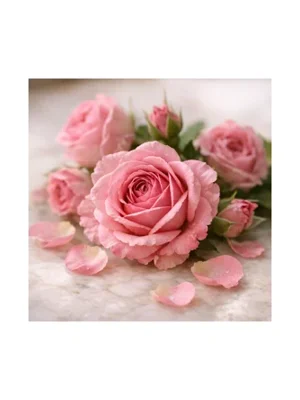
Raspberry and lemon open onto rose and jasmine, over vanilla, amber and musk. Philos Rosso sits next to Baccarat Rouge 540 on the shelf: a sweet, fruity, musky floral that is softer than its inspiration.
Scent Profile
How They Wear
Mood
Notes
Heart Notes
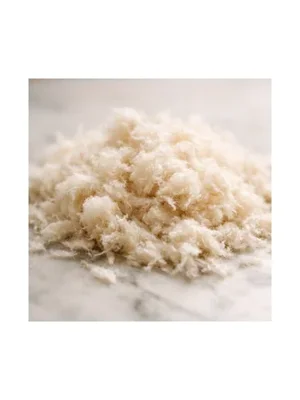
Base Notes
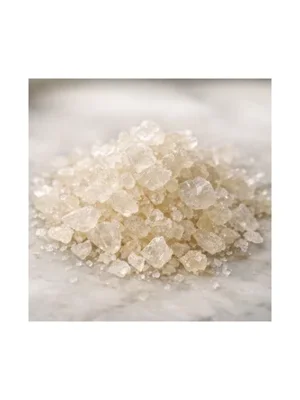 Ambroxan
13% share of the perfume
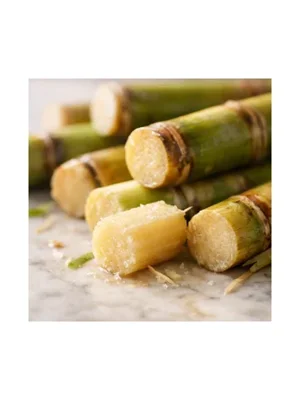 Sugar Cane
11% share of the perfume
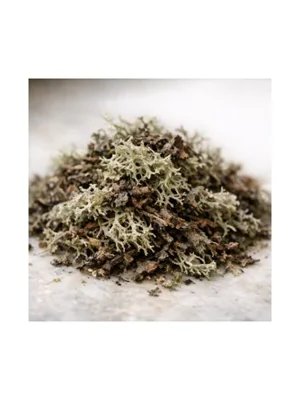 Oakmoss
7% share of the perfume
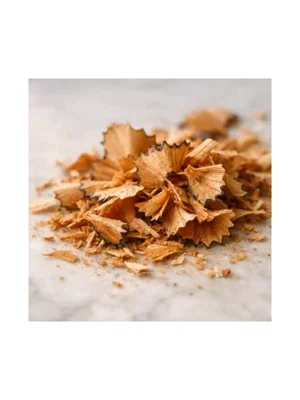 Cedar
6% share of the perfume
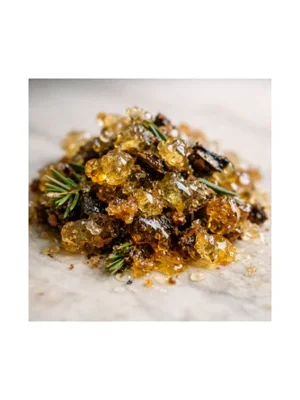 Canadian Fir Balsam
2% share of the perfume
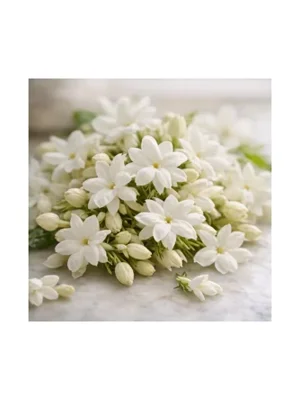 Jasmine
13%
vs
15%
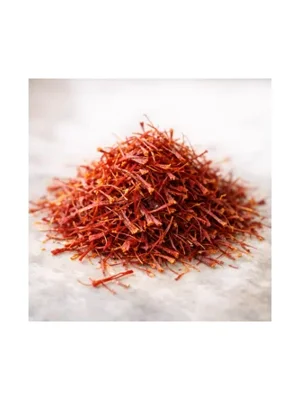 Saffron
17% share of the perfume
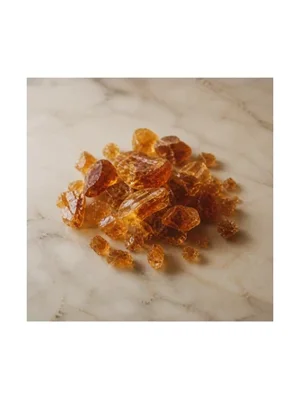 Amberwood
14% share of the perfume
Ambroxan
13% share of the perfume
Sugar Cane
11% share of the perfume
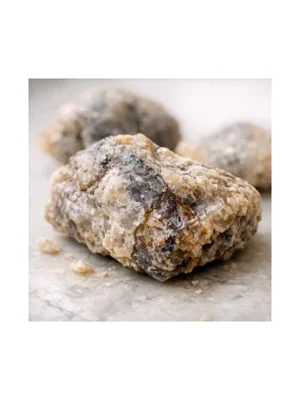 Ambergris
10% share of the perfume
Oakmoss
7% share of the perfume
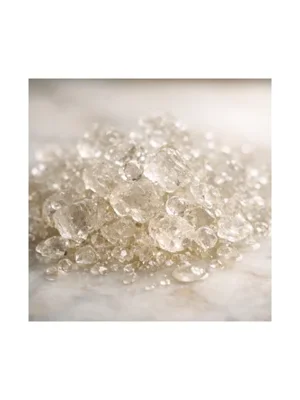 Hedione
7% share of the perfume
Cedar
6% share of the perfume
Canadian Fir Balsam
2% share of the perfume
Amberwood
14% share of the perfume
Ambergris
10% share of the perfume
Hedione
7% share of the perfume
Ambroxan
13% share of the perfume
Sugar Cane
11% share of the perfume
Oakmoss
7% share of the perfume
Cedar
6% share of the perfume
Canadian Fir Balsam
2% share of the perfume
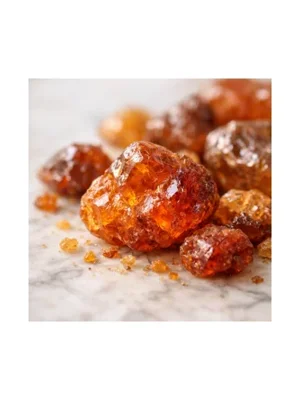 Amber
16% share of the perfume
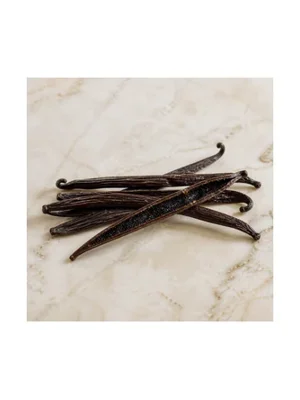 Vanilla
15% share of the perfume
 Musk
11% share of the perfume
Note weights are our estimate from each note's place in the pyramid, not the share of the formula. Brands do not publish formulations.
Performance
Season and Occasion Fit
Seasons
Sweet amberwood and resin thrive in the cold: autumn and winter are the anchor, with cool spring evenings a possible extra. In summer heat it is overpowering.
Occasions
Carries well enough for formal events and date nights, where it is meant to be noticed. Its reach is wrong for an office or the gym.
Seasons
It suits autumn best, with vanilla and amber at home in the cold, and works in spring and winter too.
Occasions
Leans towards casual and date settings. The sweetness keeps it from being a formal-event or sport choice.
Similarity Breakdown
Our estimate of how alike these two fragrances smell, calculated from their published notes. It is a position on our scale, not a measured percentage of shared smell.
Shares 1 of its 10 notes, including Jasmine
Adds ambergris and amberwood, drops amber and lemon
Where to buy
Pick a size. The two cheapest offers, then the rest.






Prices before sales tax, which the shop adds at checkout.
ScentVerdict earns a commission from purchases - this doesn't affect our verdicts.