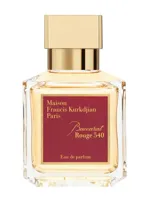
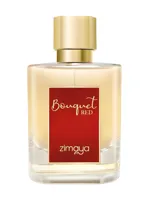
Is Zimaya Bouquet Red a dupe of Maison Francis Kurkdjian Baccarat Rouge 540?





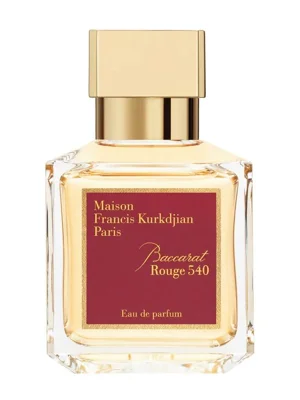 Baccarat Rouge 540 EDP
| EDP | Concentration | EDP |
| U | Gender | U |
| 2015 | Year | 2023 |
| $$$$ | Price Tier | $ |
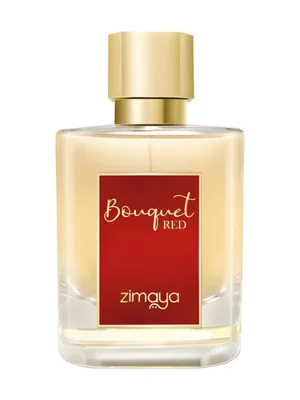 Bouquet Red EDP
Bouquet Red is a very close dupe of Baccarat Rouge 540, making the biggest difference the price tag. Baccarat Rouge 540 has a sharper, more metallic edge with airy sweetness. Bouquet Red leans into a smoother, honeyed amber, losing some of the original's crystalline sparkle. Both deliver a woody amber experience, but Baccarat Rouge 540 projects further and lasts longer, justifying its luxury price for some. If budget is a concern, Bouquet Red captures the essence beautifully, but BR540 has more nuance.
 →
Where they differ
Biggest gaps first. The bolder side leads.
ScentArt
How it unfolds
Notes
- Baccarat Rouge 540
- Bouquet Red
- in both
Tap a note to light it in both. A+B means both have it


Which Should You Buy?
- You want the original Baccarat Rouge 540 experience.
- You prefer a sharper, more metallic sweetness.
- You value strong projection and longevity.
- You want the prestige of the MFK brand.
- You want the BR540 DNA at a fraction of the cost.
- You prefer a smoother, less sharp amber fragrance.
- You are looking for an everyday wearable scent.
- You want a refined scent without the luxury price.
Dry saffron and airy jasmine open over a mineral ambergris heart, while amberwood, fir resin and cedar hold a crystalline sweetness in a smooth, earthy base.
Sits next to Baccarat Rouge 540 on the shelf, with a luminous amber and saffron glow and a lavender and fir resin edge. Strong and long-lasting, so keep it for winter evenings.
Scent Profile
How They Wear
Mood
Notes
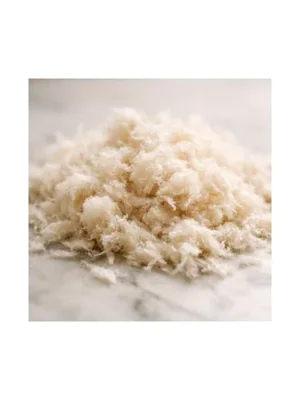
Heart Notes
Base Notes
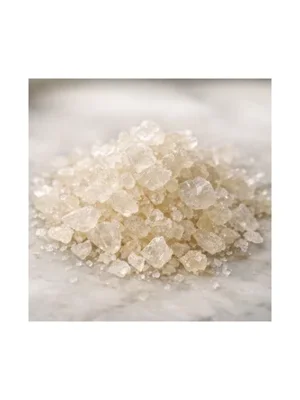 Ambroxan
13% share of the perfume
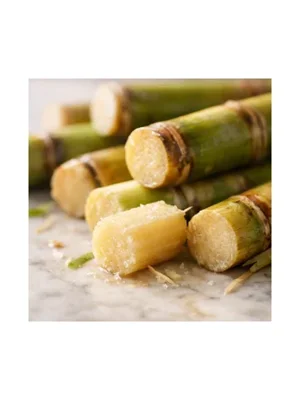 Sugar Cane
11% share of the perfume
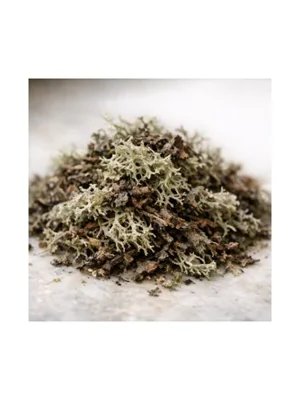 Oakmoss
7% share of the perfume
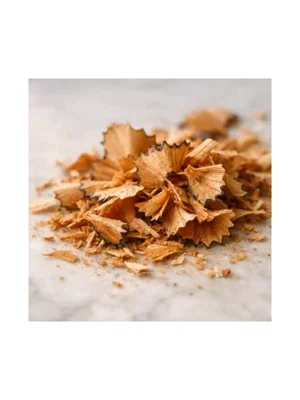 Cedar
6% share of the perfume
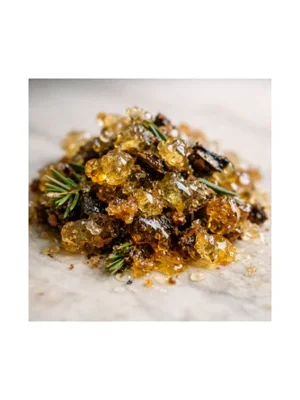 Canadian Fir Balsam
2% share of the perfume
Base Notes
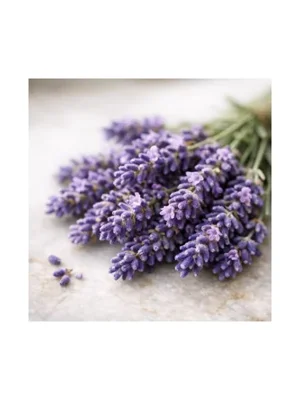 Lavender
13% share of the perfume
Canadian Fir Balsam
11% share of the perfume
Cedar
8% share of the perfume
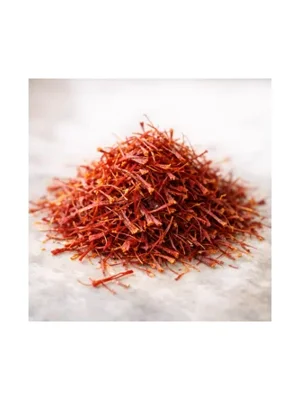 Saffron
17%
vs
13%
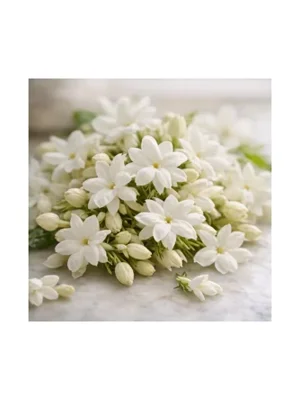 Jasmine
13%
vs
9%
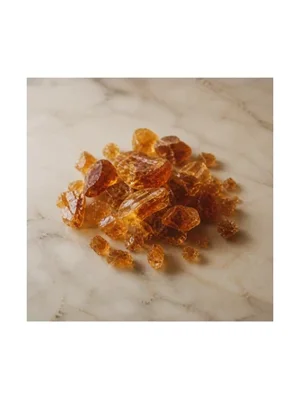 Amberwood
13%
vs
14%
 Ambergris
9%
vs
16%
Cedar
6%
vs
8%
Canadian Fir Balsam
1%
vs
11%
Amberwood
13%
vs
14%
Ambergris
9%
vs
16%
 Hedione
7% share of the perfume
Cedar
6%
vs
8%
Canadian Fir Balsam
1%
vs
11%
Ambroxan
13% share of the perfume
Sugar Cane
11% share of the perfume
Oakmoss
7% share of the perfume
Lavender
13% share of the perfume
Note weights are our estimate from each note's place in the pyramid, not the share of the formula. Brands do not publish formulations.
Performance
Season and Occasion Fit
Seasons
Dense amberwood and resin make autumn the clearest fit. The same woody sweetness suits winter, with spring sitting between that and the cooler profile; summer is the weakest match.
Occasions
The bright floral opening and polished amberwood give formal settings the strongest fit, with a similar balance for a date. Casual settings are less central, while office and sport are the weakest settings.
Seasons
Amber, saffron and resin suit winter best, with autumn behind. Spring is a stretch; summer heat is too much.
Occasions
Luminous and strong, it is made for dates and formal evenings. It is too much for the office and not for sport.
Similarity Breakdown
Our estimate of how alike these two fragrances smell, calculated from their published notes. It is a position on our scale, not a measured percentage of shared smell.
Shares 6 of its 10 notes, including Jasmine, Amberwood, Canadian Fir Balsam
Adds ambroxan and hedione, drops lavender and musk
Where to buy
Pick a size. The two cheapest offers, then the rest.








Prices before sales tax, which the shop adds at checkout.
ScentVerdict earns a commission from purchases - this doesn't affect our verdicts.