

Is Next Blue Flowers a dupe of Marc Jacobs Daisy Dream?





 Daisy Dream EDT
| EDT | Concentration | EDP |
| F | Gender | F |
| 2014 | Year | 2020 |
| $$ | Price Tier | $ |
 Blue Flowers EDP
Daisy Dream by Marc Jacobs stands out for its airy blend of berries and light florals, exuding youthful, sunlit energy ideal for casual daytime wear. In contrast, Blue Flowers by Next is more powdery and grounded, with a focus on soft woods and understated elegance. The Edp formula of Blue Flowers offers better longevity and depth, while Daisy Dream’s Edt is lighter and more fleeting. If you want a vibrant, fruity-floral signature and are willing to spend more, Daisy Dream is your pick. For those seeking a romantic yet subtle floral at a budget price with better staying power, Blue Flowers delivers.
 →
Where they differ
Biggest gaps first. The bolder side leads.
ScentArt
How it unfolds
Notes
- Daisy Dream
- Blue Flowers
- in both
Tap a note to light it in both. A+B means both have it


Which Should You Buy?
- You love juicy berry notes with delicate florals
- You prefer a light, optimistic daytime scent
- You want a designer brand experience
- You like fresher, more ethereal perfumes
- You want longer-lasting fragrance (Edp)
- You prefer powdery, soft woody florals
- You’re budget-conscious
- You seek understated, elegant daily wear
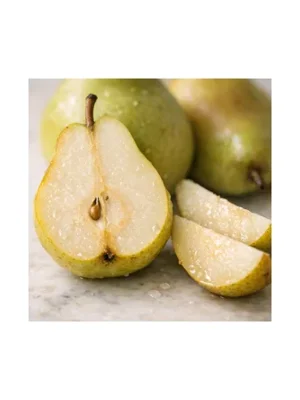
It smells like a pale blue sky. Pear, blackberry and grapefruit start juicy, wisteria and litchi bring the flowers, and coconut water keeps it sheer. Light on the skin, for sunny days.
Soft, fruity and clean, a floral that keeps its volume low and suits the office and spring days. Jasmine and wisteria carry the flowers, with blackberry, pear and coconut water for juice.
Scent Profile
How They Wear
Mood
Notes
Top Notes
Heart Notes
Heart Notes
Base Notes
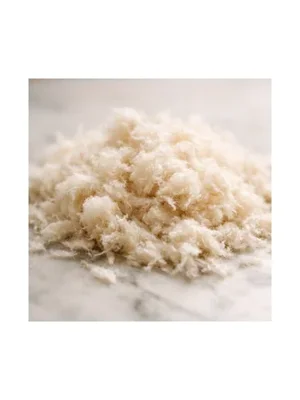
 Coconut Water
14% share of the perfume
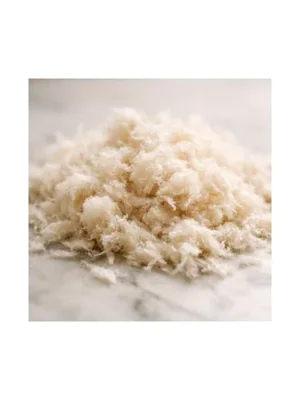 Musk
12% share of the perfume
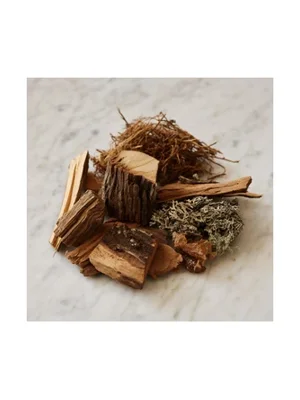 Woody Notes
8% share of the perfume
Base Notes
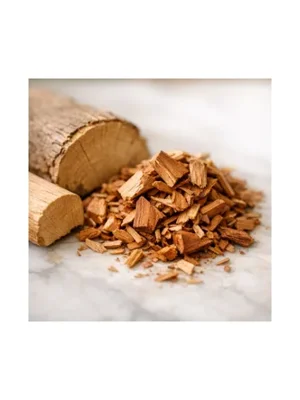 Sandalwood
15% share of the perfume
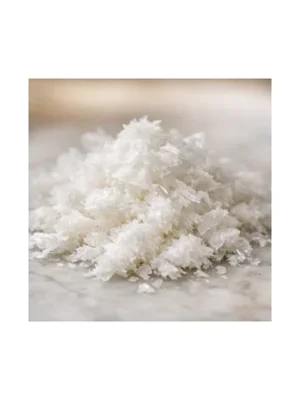 Clean Musk
13% share of the perfume
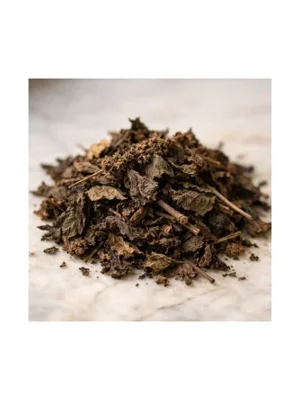 Patchouli
10% share of the perfume
Coconut Water
8% share of the perfume
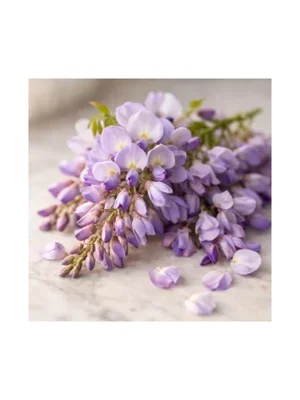 Wisteria
17%
vs
11%
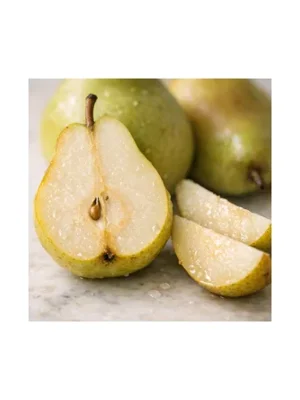 Pear
16%
vs
11%
Coconut Water
13%
vs
7%
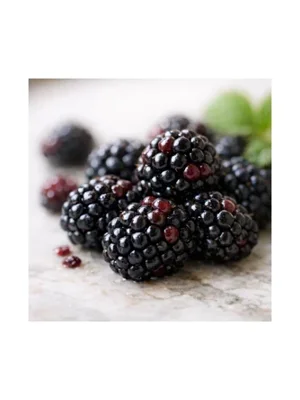 Blackberry
12%
vs
13%
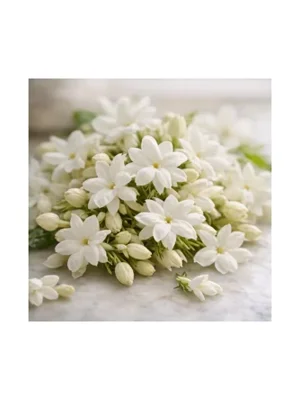 Jasmine
2%
vs
17%
Musk
12% share of the perfume
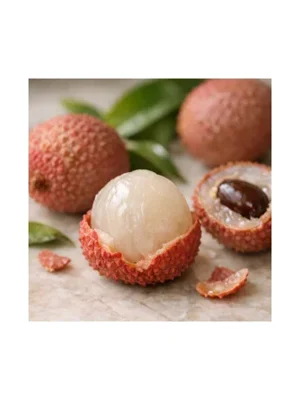 Litchi
12% share of the perfume
Woody Notes
8% share of the perfume
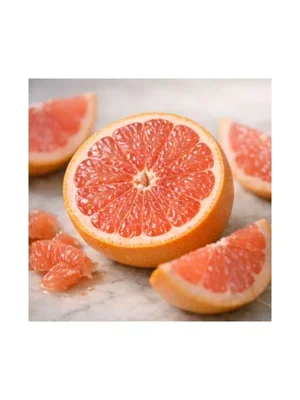 Grapefruit
6% share of the perfume
Sandalwood
15% share of the perfume
Clean Musk
13% share of the perfume
Patchouli
10% share of the perfume
Pear
16%
vs
11%
Blackberry
12%
vs
13%
Grapefruit
6% share of the perfume
Jasmine
17% share of the perfume
Coconut Water
13%
vs
7%
Sandalwood
15% share of the perfume
Clean Musk
13% share of the perfume
Patchouli
10% share of the perfume
Note weights are our estimate from each note's place in the pyramid, not the share of the formula. Brands do not publish formulations.
Performance
Season and Occasion Fit
Seasons
Juicy fruit and sheer florals feel at their best in spring and summer. It has too little warmth for winter, though early autumn is fine.
Occasions
Soft and unobtrusive, it fits the office, casual days and light daytime dates. It lacks the presence for a formal evening.
Seasons
Jasmine, wisteria and pear suit spring best, and the white musk base lets it work in summer and autumn. It is too light for winter.
Occasions
Soft and close to the skin, it works for the office, casual days and relaxed dates. For a formal event or sport it asks for something stronger.
Similarity Breakdown
Our estimate of how alike these two fragrances smell, calculated from their published notes. It is a position on our scale, not a measured percentage of shared smell.
Shares 5 of its 8 notes, including Coconut Water, Jasmine, Wisteria
Adds clean musk and patchouli, drops grapefruit and litchi
Where to buy
Pick a size. The two cheapest offers, then the rest.







Prices before sales tax, which the shop adds at checkout.
ScentVerdict earns a commission from purchases - this doesn't affect our verdicts.