

Is Zimaya Red Carpet Paragon a dupe of Parfums de Marly Kalan?





 Kalan EDP
| EDP | Concentration | EDP |
| U | Gender | U |
| 2019 | Year | 2023 |
| $$$$ | Price Tier | $ |
 Red Carpet Paragon EDP
Kalan and Red Carpet Paragon share a similar spicy-woody profile, but diverge significantly in execution. Kalan boasts a higher quality, more refined blend with a distinctive blood orange and pepper opening. Paragon, as a budget-friendly alternative, aims for the same territory but can come across as less nuanced and potentially synthetic. Kalan is a bolder, longer-lasting fragrance, while Paragon offers a milder, sweeter take. If you want the real deal and are willing to pay for it, go for Kalan. If you're looking for a cheap thrill, then Paragon may suffice.

Where they differ
Biggest gaps first. The bolder side leads.
ScentArt
How it unfolds
Notes
- Kalan
- Red Carpet Paragon
- in both
Tap a note to light it in both. A+B means both have it


Which Should You Buy?
- You want a high-quality, long-lasting fragrance.
- You appreciate a bold and unique scent profile.
- You enjoy the prominent blood orange note.
- You prefer a more sophisticated and refined blend.
- You're on a tight budget.
- You want a less intense, more subtle scent.
- You prefer a sweeter, less spicy fragrance.
- You like exploring affordable dupes.
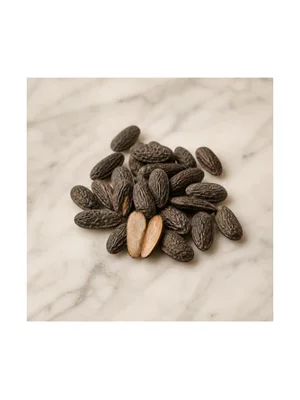
Blood orange and pepper meet warm spice, then turn towards lavender, orange blossom, woody notes, sandalwood, amber and tonka bean.
Black pepper and blood orange open it with heat, then lavender and orange blossom cool things down before a woody base of sandalwood, oakmoss, amber and tonka. Spicy and warm, best after dark.
Scent Profile
How They Wear
Mood
Notes
Top Notes
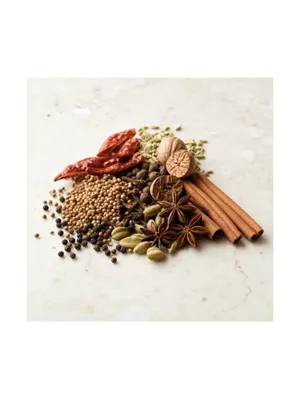 Spicy Notes
16% share of the perfume
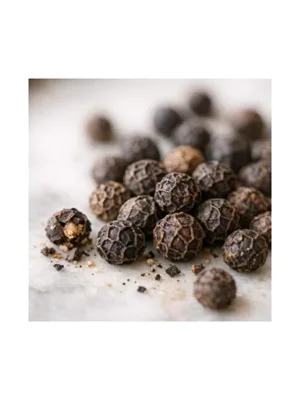 Pepper
14% share of the perfume
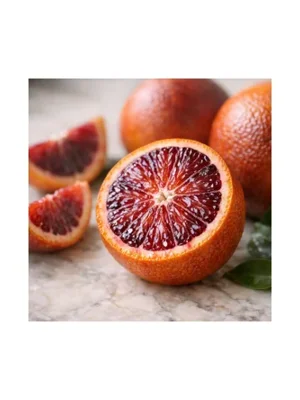 Blood Orange
13% share of the perfume
Top Notes
Pepper
12% share of the perfume
Blood Orange
11% share of the perfume
Spicy Notes
8% share of the perfume
Base Notes
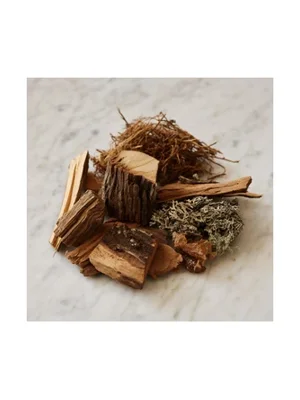 Woody Notes
12% share of the perfume
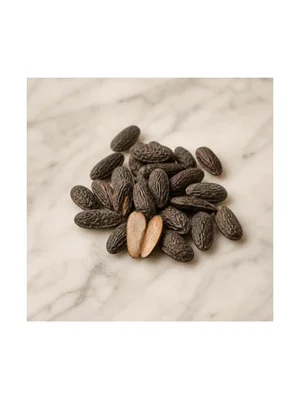 Tonka Bean
11% share of the perfume
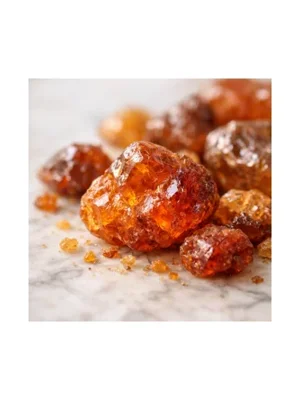 Amber
10% share of the perfume
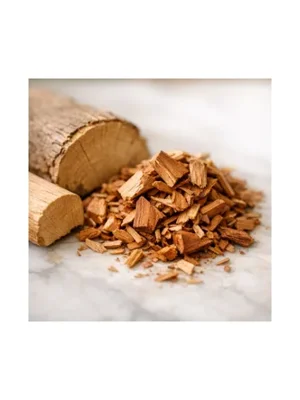 Sandalwood
7% share of the perfume
Spicy Notes
15%
vs
8%
Pepper
13%
vs
11%
Blood Orange
13%
vs
10%
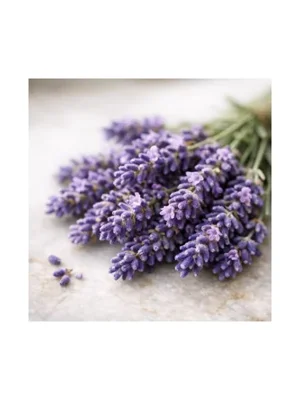 Lavender
10%
vs
6%
Tonka Bean
10%
vs
13%
Amber
10%
vs
12%
Sandalwood
7%
vs
10%
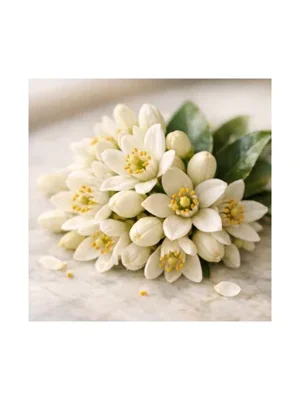 Orange Blossom
6%
vs
13%
Woody Notes
12% share of the perfume
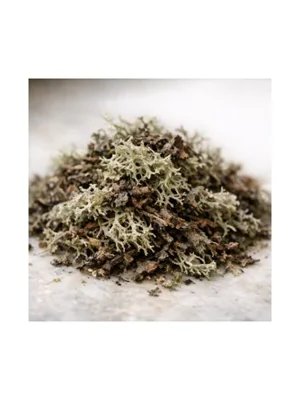 Oakmoss
13% share of the perfume
Tonka Bean
10%
vs
13%
Amber
10%
vs
12%
Sandalwood
7%
vs
10%
Woody Notes
12% share of the perfume
Oakmoss
13% share of the perfume
Note weights are our estimate from each note's place in the pyramid, not the share of the formula. Brands do not publish formulations.
Performance
Season and Occasion Fit
Seasons
Orange and pepper meet lavender, while amber, sandalwood and tonka bean give the woody base more weight, placing autumn and winter ahead of spring and summer.
Occasions
The lively spice and orange edge meet the denser woods, giving date and formal a closer fit than sport or office; casual sits between those ends.
Seasons
Pepper, amber and tonka favour autumn and winter, and spring works when the evenings are cool. High summer is not its season.
Occasions
Date nights and dressed-up evenings suit the warm amber best. It is a little intense for the office and nowhere near light enough for sport.
Similarity Breakdown
Our estimate of how alike these two fragrances smell, calculated from their published notes. It is a position on our scale, not a measured percentage of shared smell.
Shares 8 of its 9 notes, including Spicy Notes, Amber, Orange Blossom
Adds oakmoss, drops woody notes
Where to buy
Pick a size. The two cheapest offers, then the rest.







Prices before sales tax, which the shop adds at checkout.
ScentVerdict earns a commission from purchases - this doesn't affect our verdicts.