Barberry names no single substance
ReconstructedNot extracted.
Note Profile
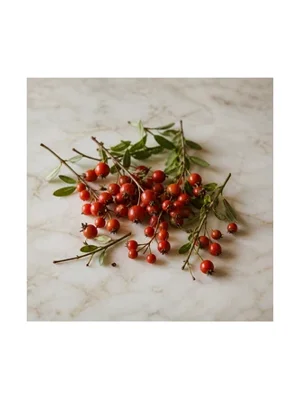
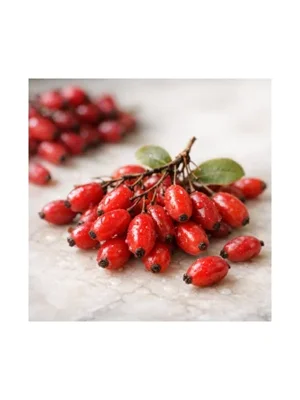
Barberry comes from the berries of the Berberis shrub. The note is made from natural extracts or aroma molecules that capture its tartness. It smells tart and juicy, with sharp red berry character like sour currants and cranberries, and a green touch. It opens crisp and tangy and dries to a softer, slightly woody finish.
Barberry has a tart, juicy-fruity aroma with sharp red berry facets and subtle green undertones. Its scent is reminiscent of sour currants and cranberries, with a refreshing acidity that can lend brightness to compositions. The note evolves from a crisp, tangy opening to a softer, slightly woody drydown.
Read off the wheel, not a label applied to the note.
Not extracted.
Barberry is derived from the berries of the Berberis shrub, native to temperate and subtropical regions of Europe, Asia, and the Americas. In perfumery, the scent is typically recreated using natural extracts or through aroma molecules that capture its distinctive tartness.
Perfumers use barberry primarily as a top or heart note to introduce a lively, tart fruitiness to fragrances. It pairs well with other red fruits, citrus, green notes, and florals, and is often used to add vibrancy and contrast in both modern and classic compositions.
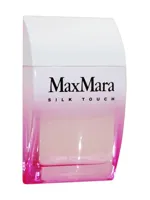
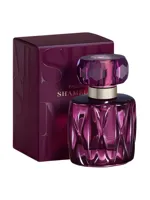
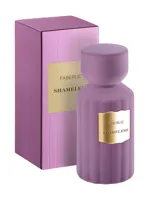
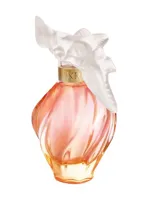
A selection of reviewed perfumes where Barberry appears prominently.
New finds, honest verdicts, and price drops.
No spam. Unsubscribe anytime. See our privacy policy.