Chestnut names no single substance
ReconstructedNo extract; a sweet-nutty reconstruction.
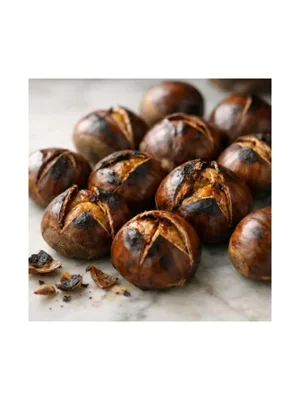
Note Profile
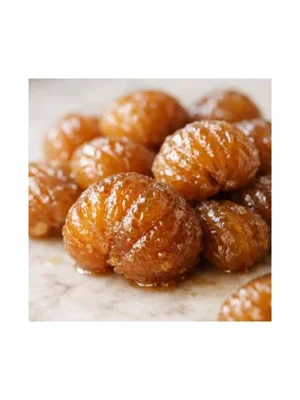
Chestnut Cream, Crystallized Chestnut
Chestnut in perfumery is characterized by its warm, roasted, and slightly sweet aroma, often evoking the comforting scent of roasted chestnuts over an open fire. It carries nutty and woody undertones with a subtle gourmand richness, making it ideal for cozy, autumnal, or winter fragrances. The note adds depth and a mouthwatering, edible quality to compositions.
Chestnut in perfumery offers a warm, roasted aroma with pronounced nutty and subtly sweet facets. It features underlying woody and smoky nuances that evoke the scent of chestnuts cooked over an open fire. As it develops, it reveals a creamy, gourmand richness that lingers with a comforting, edible quality.
Read off the wheel, not a label applied to the note.
No extract; a sweet-nutty reconstruction.
Chestnut as a fragrance note is typically recreated using accords of natural and synthetic materials, as the actual nut yields little aromatic extract. Perfumers blend molecules such as pyrazines, lactones, and caramelized notes to mimic the roasted, nutty scent profile. These accords are inspired by the aroma of roasted chestnuts, common in European and East Asian culinary traditions.
Chestnut is primarily used as a heart or base note to impart warmth and depth in gourmand, woody, or oriental compositions. It pairs well with vanilla, woods, spices, and smoky notes, enhancing the comfort and richness of a fragrance. Perfumers employ it to evoke autumnal or winter atmospheres and to add a mouthwatering, edible dimension.
Perfumers known for using Chestnut include
Cécile Matton, Sidonie Lancesseur, Émilie Coppermann, Marie Salamagne, Bertrand Duchaufour, and Honorine Blanc
A selection of reviewed perfumes where Chestnut appears prominently.
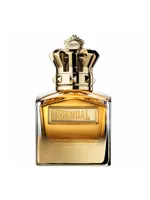
Parfum · 2024
Jean Paul Gaultier
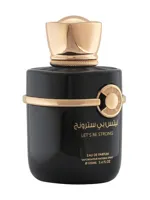
EDP · 2024
Risala
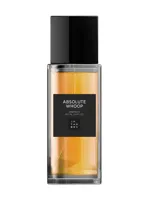
EDT · 2025
In The Box
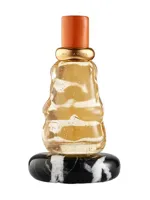
EDT · 2025
Bottega Veneta
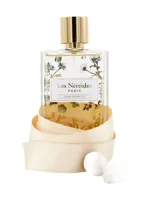
EDP · 2024
Les Néréides
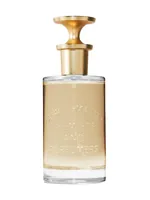
EDP · 2026
Caswell-Massey
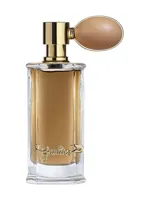
EDT · 2026
Jean Paul Gaultier
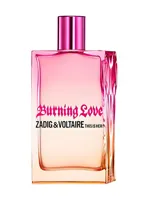
EDT · 2025
Zadig & Voltaire
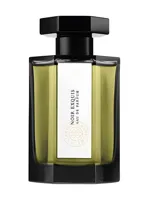
EDP · 2015
L'Artisan Parfumeur
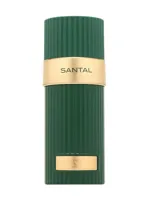
EDP · 2025
French Avenue
New finds, honest verdicts, and price drops.
No spam. Unsubscribe anytime. See our privacy policy.