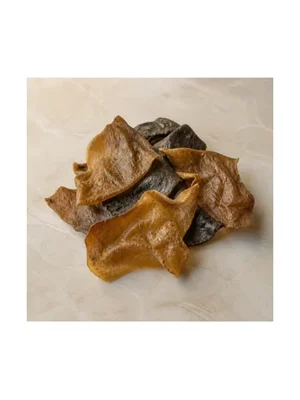
Horse Skin
Note Profile
About
Sweaty animalic leather, the horse rather than the tannery.
Scent Profile
Animalic leads and the source is explicit about why. It draws a line between horse skin and abstract leather, and puts horse skin on the animal side: the living, breathing, sweating animal, not the quinoline and birch tar. Leather, high but deliberately second, because the same sentence that names saddle leather is the one that refuses to call this a leather note. Published leather sits at leather with smoky, and horse skin is the near-opposite arrangement. Mineral is salt, named twice: 'salt, musk, tanned saddle leather' and 'salty, musky, and warm'. Sour is the sweat itself. Earthy comes from the Perfume Society's genre description, 'earthy, leathery, and animalic'. Below the naming line, clean_musk is the soft-skin end of the musk word rather than the civet end, tobacco_hay is the straw the source says it pairs with rather than a claimed facet, and smoky is only the residue of the birch-tar materials in the build, kept low because the source spends a sentence rejecting that reading.
ScentWheel
Read off the wheel, not a label applied to the note.
Origin
Not an extract. Horse skin is a composed accord, built from castoreum-type materials or substitutes such as Castoreum 727, leather bases, civet-type animalic musks and salty-fatty notes. It names the smell of a horse's flank after a ride: sweat, natural oils, warm hair and tanned saddle leather.
Usage in Perfumery
A heart-to-base element in equestrian and animalic compositions. Papillon's Epona lists it beside leather, vetiver, oakmoss, violet, labdanum, petitgrain and saddle soap. It pairs with hay, straw and outdoor-green notes. Fragrantica lists the term on 5 fragrances and Parfumo on none.
Similar Notes
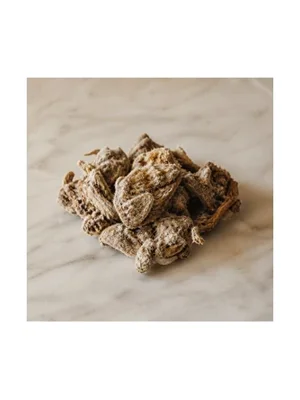
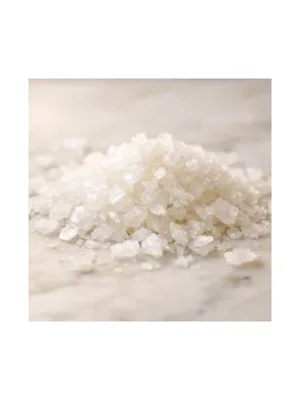

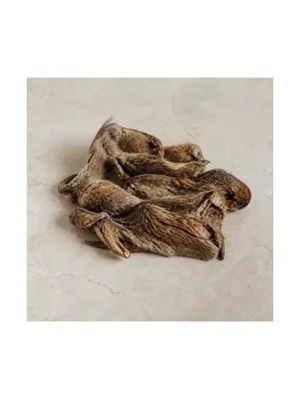
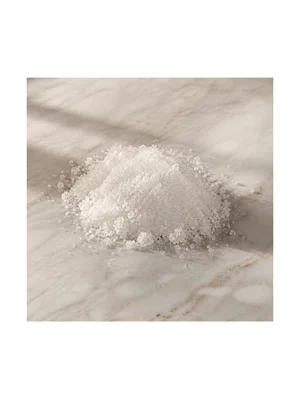
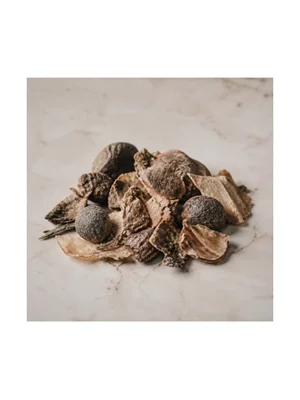
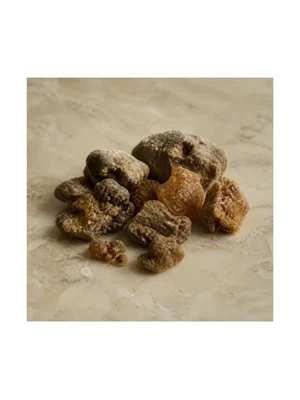
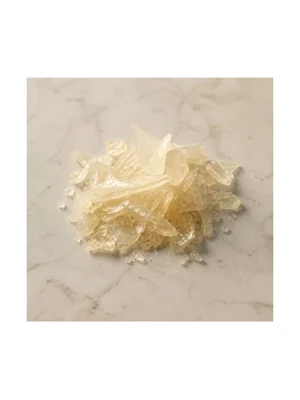
Perfumes featuring Horse Skin
A selection of reviewed perfumes where Horse Skin appears prominently.
No perfumes featuring this note have been reviewed yet. Check back soon.