Liquor names no single substance
No material referentA category label for boozy effects; which spirit is never specified.
Note Profile
Liqueur
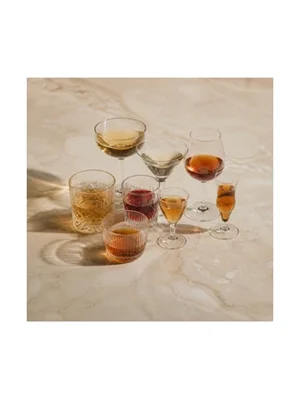
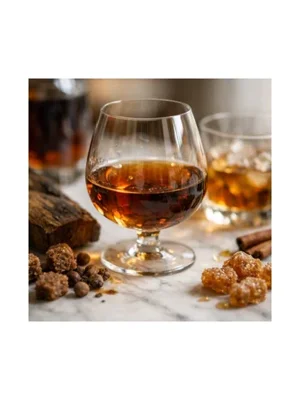
Liquor in perfumery refers to sweet, warm, and alcoholic facets reminiscent of spirits like rum, cognac, or whiskey. It often brings a rich, boozy sweetness intertwined with hints of spice, oak, or caramel, adding depth and sensuality to a fragrance composition.
Liquor notes in perfumery evoke the aroma of distilled spirits such as rum, cognac, or whiskey, characterized by a warm, sweet, and slightly volatile alcoholic impression. These accords often feature nuances of caramel, dried fruits, vanilla, oak, and subtle spice, with a lingering richness that can suggest both smoothness and depth. As the fragrance develops, the boozy sweetness may mellow, revealing woodier or more resinous undertones.
Read off the wheel, not a label applied to the note.
A category label for boozy effects; which spirit is never specified.
Liquor notes are typically created using a blend of natural extracts, such as oakwood absolute or rum extract, and synthetic aroma chemicals that mimic the facets of alcoholic beverages. These accords do not contain actual alcohol but are constructed to replicate the olfactory profile of spirits through careful formulation. The materials are sourced from both botanical origins and laboratory synthesis.
Perfumers employ liquor notes primarily in the heart or base of gourmand, oriental, and woody fragrances to impart warmth, complexity, and a sense of indulgence. They blend well with vanilla, tonka bean, spices, woods, and dried fruit notes, and are often used to enhance the richness or sensuality of a composition. Liquor accords can also bridge transitions between sweet and woody elements within a scent structure.
Perfumers known for using Liquor include
Antoine Maisondieu, Bruno Jovanovic, Christophe Raynaud, Fabrice Pellegrin, Honorine Blanc, and Nathalie Lorson
A selection of reviewed perfumes where Liquor appears prominently.
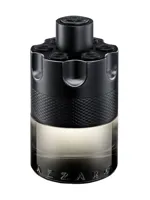
EDP · 2024
Azzaro
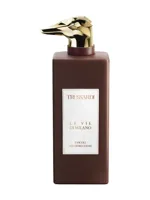
EDP · 2020
Trussardi
EDP · 2024
Perfume Parlour
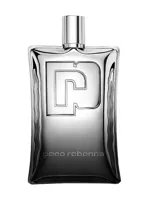
EDP · 2019
Rabanne
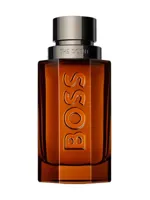
EDP · 2026
Hugo Boss
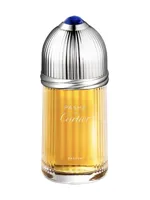
Parfum · 2020
Cartier
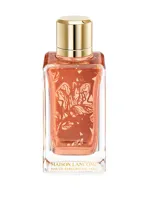
EDT · 2017
Lancôme
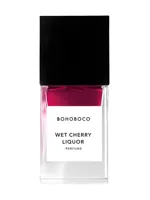
Parfum · 2022
Bohoboco
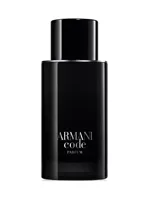
Parfum · 2023
Giorgio Armani
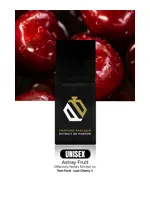
Oil · 2020
Perfume Parlour
New finds, honest verdicts, and price drops.
No spam. Unsubscribe anytime. See our privacy policy.