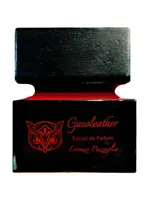


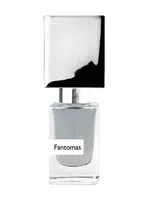
Fantomas
Eau de Parfum
Nasomatto
Acquired
Note Profile
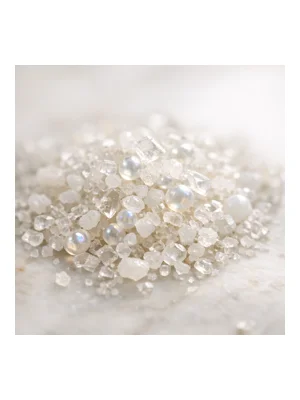
Modern synthetic molecules
Synthetic notes encompass a wide range of olfactory effects, from clean and abstract to metallic, musky, or ozonic. They can evoke impressions not found in nature, such as aldehydic brightness, aquatic freshness, or futuristic ambers. Their scent character is often smooth, linear, and highly controlled, with minimal natural impurities.
These molecules are created through chemical synthesis in laboratories, often designed to replicate or extend beyond natural aromas. Common examples include aldehydes, iso E super, calone, and synthetic musks. Their production allows for consistency, sustainability, and novel scent profiles not available from natural sources.
Perfumers use synthetic notes across all fragrance layers to add longevity, projection, and unique effects. They can serve as structural backbones, enhance diffusion, or introduce innovative accords when blended with naturals. Synthetics are essential in modern perfumery for both functional and artistic compositions.
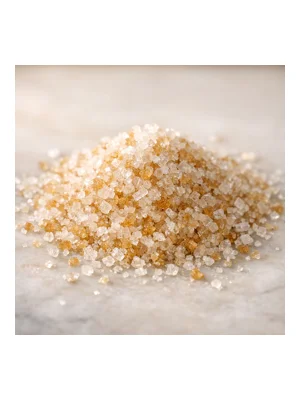 Ethyl Maltol
4
Ethyl Maltol
4
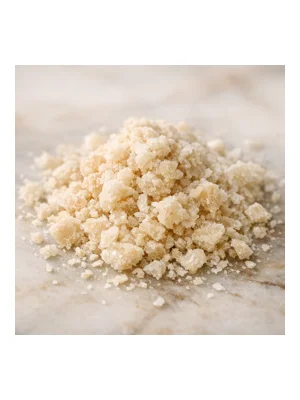 Cashmeran
159
Cashmeran
159
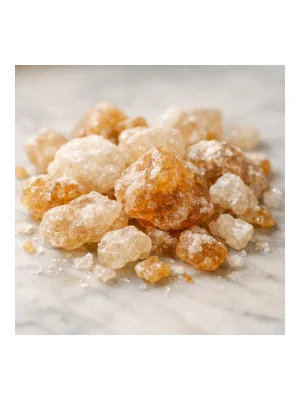 Orcanox
9
Orcanox
9
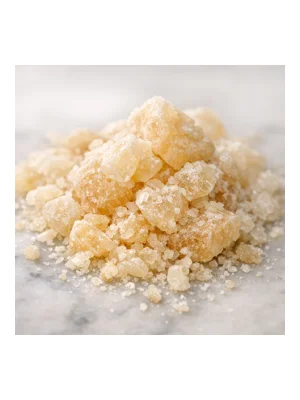 Norlimbanol
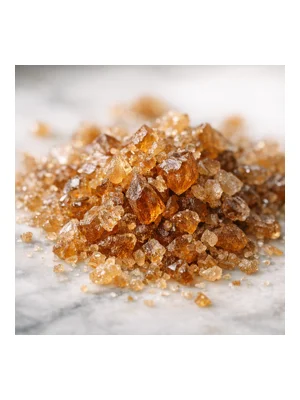 Iso E Super
51
Iso E Super
51
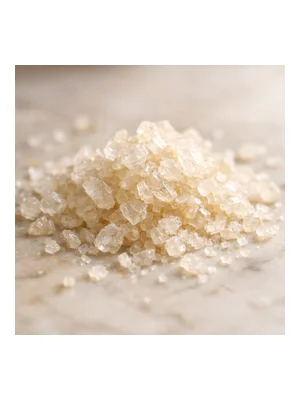 Salicylates
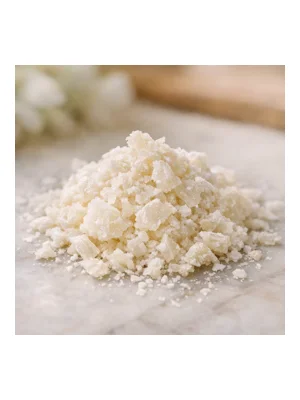 Indole
1
Indole
1
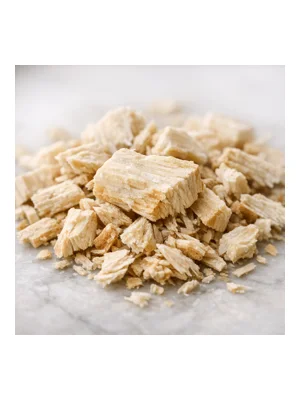 Javanol
4
Javanol
4
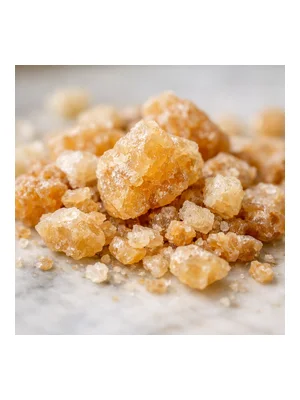 Cetalox
2
Cetalox
2
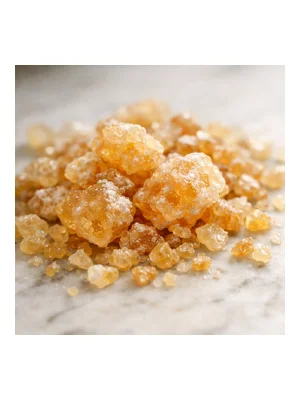 Ambrox Super
8
Ambrox Super
8
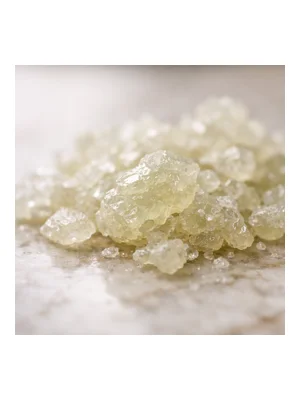 Amyl Salicylate
3
Amyl Salicylate
3
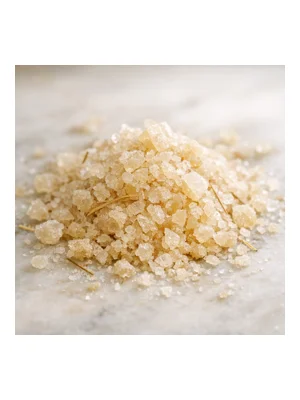 Coumarin
51
Coumarin
51
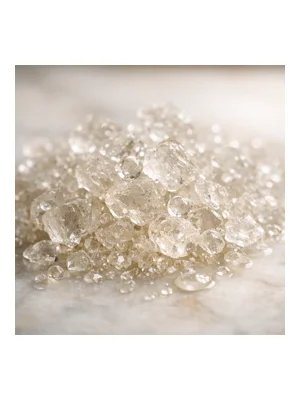 Hedione
52
Hedione
52
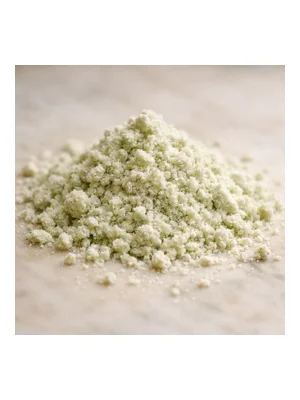 Evernyl
3
Evernyl
3
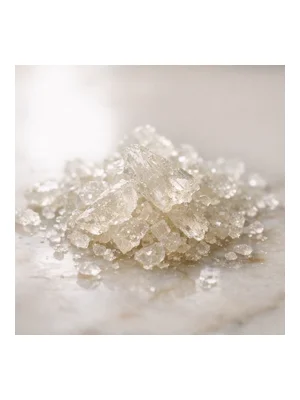 Dihydromyrcenol
1
Dihydromyrcenol
1
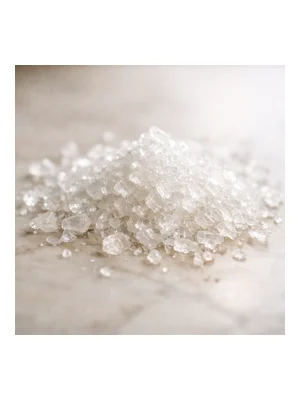 Calypsone
5
Calypsone
5
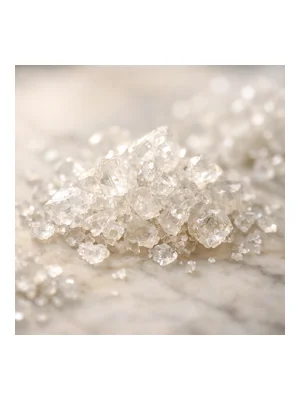 Cristalon
1
Cristalon
1
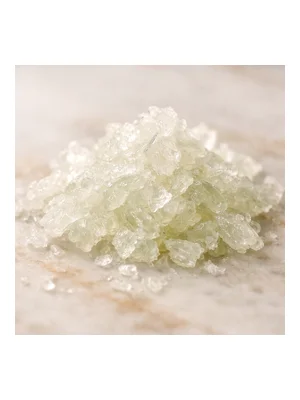 Nympheal™
2
Nympheal™
2
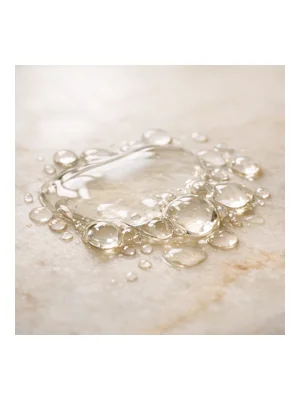 Butylene Glycol
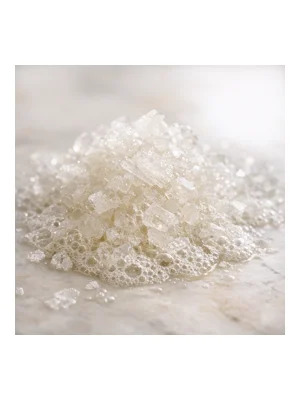 Aldehydes
146
Aldehydes
146
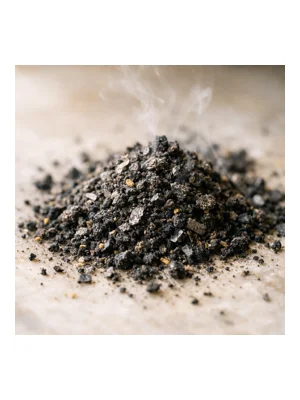 Gunpowder
6
Gunpowder
6
 Vinyl
3
Opium
1
Vinyl
3
Opium
1
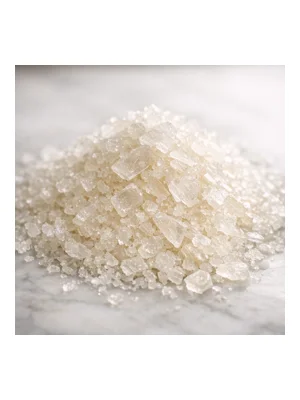 Benzyl Salicylate
 Galaxolide
3
Galaxolide
3
 Poison Charmer Natureprint®
A selection of reviewed perfumes where Synthetic appears prominently.