Caoutchouc names no single substance
ReconstructedNatural rubber; the note is a fault-adjacent impression.
Note Profile
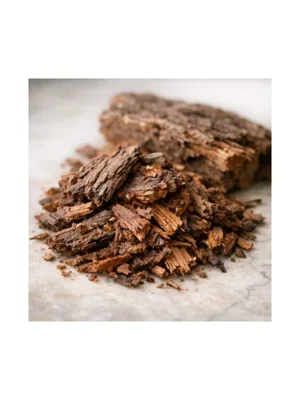
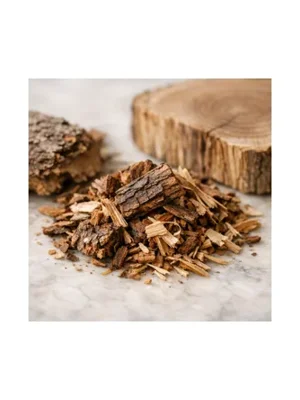
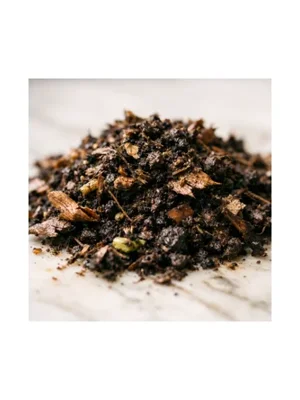
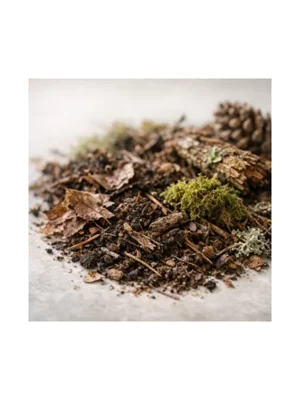
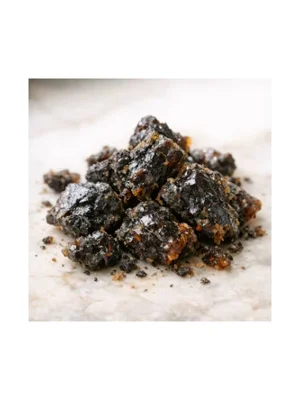
Caoutchouc is the scent of rubber, taken from the latex of Hevea brasiliensis. In practice it is made with synthetic materials that mimic raw or processed rubber. It smells rubbery and smoky, like freshly vulcanised rubber, with leathery and tar-like touches. It is industrial and slightly vegetal. It softens to a dry, slightly sweet smoke.
Caoutchouc has a distinctive rubbery, smoky scent reminiscent of freshly vulcanized rubber, with subtle leathery and tar-like undertones. It can evoke nuances of burnt wood, ink, or even green sap, and its character is both industrial and slightly vegetal. Over time, it softens to reveal a persistent, dry, and slightly sweet smokiness.
Read off the wheel, not a label applied to the note.
Natural rubber; the note is a fault-adjacent impression.
Caoutchouc is derived from natural latex, the milky sap of the rubber tree (Hevea brasiliensis), but in perfumery it is typically represented by synthetic materials that mimic the scent of raw or processed rubber. These synthetics are created through organic chemical synthesis, as the natural material is not directly used in fragrance.
Perfumers use caoutchouc primarily as a specialty note to introduce avant-garde, urban, or industrial effects, often in the heart or base of a composition. It blends well with leather, smoke, woody, and green notes, and is sometimes used to add depth or a modern twist to floral or fougère accords. Its presence is usually subtle, lending a unique signature without dominating the blend.
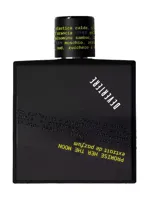
A selection of reviewed perfumes where Caoutchouc appears prominently.
New finds, honest verdicts, and price drops.
No spam. Unsubscribe anytime. See our privacy policy.