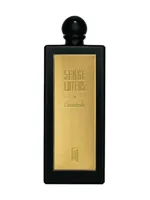
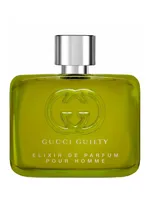
Vinegar names no single substance
ReconstructedAcetic character; not a perfumery material.
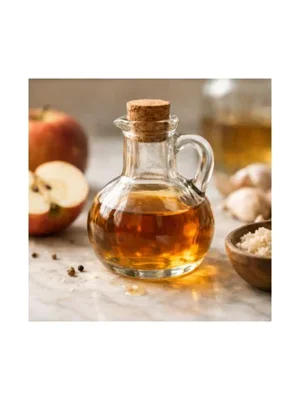
Note Profile
Vinegar in perfumery imparts a sharp, tangy, and acidic aroma, reminiscent of fermented apples or wine. It can provide a bracing, almost mouth-watering freshness and is sometimes used in avant-garde or gourmand fragrances to create a sense of realism or to contrast sweet or rich notes.
Vinegar in perfumery presents a sharp, tangy, and distinctly acidic aroma, often evoking the scent of fermented apples, wine, or subtle acetous notes. Its olfactory character is volatile and bracing, with a fleeting sourness that can add a mouth-watering freshness. As it evolves, the initial pungency mellows, leaving a clean, slightly mineral trace.
Read off the wheel, not a label applied to the note.
Acetic character; not a perfumery material.
Vinegar used in perfumery is typically derived from the fermentation of ethanol-containing sources such as apples (apple cider vinegar) or grapes (wine vinegar). The key aromatic component is acetic acid, which is isolated or used in diluted form, sometimes with trace esters for added complexity. It is sourced through controlled fermentation and purification processes.
Perfumers use vinegar primarily as a top note or accent to introduce a burst of freshness or to create a realistic, edible effect in gourmand and experimental compositions. It can provide contrast to sweet, fruity, or creamy notes, and is sometimes paired with herbs, fruits, or woods to balance richness. Its use is generally sparing due to its intensity and volatility.
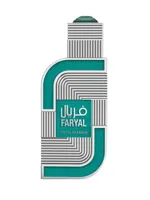
A selection of reviewed perfumes where Vinegar appears prominently.
New finds, honest verdicts, and price drops.
No spam. Unsubscribe anytime. See our privacy policy.