Fragrances inspired by Estee Eau de Parfum
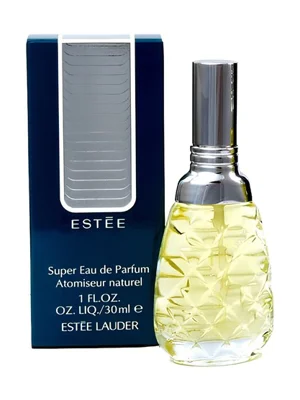 The original
Estee
Estée Lauder
The original
Estee
Estée Lauder
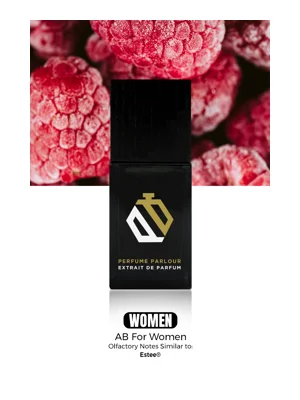
The two side by side
Our verdict
Editor reviewedWhat they share
Every one of its 18 notes is in the original, including Sandalwood, Lemon, Oakmoss
The main difference
Near-identical note list, differs in proportion
What they share
Shares 9 of its 14 notes, including Sandalwood, Oakmoss, Rose
The main difference
Adds amber and bergamot, drops carnation and coriander
What they share
Shares 10 of its 28 notes, including Sandalwood, Oakmoss, Rose
The main difference
Adds amber and bergamot, drops aldehydes and coriander
What they share
Shares 12 of its 24 notes, including Sandalwood, Oakmoss, Rose
The main difference
Adds artemisia and bergamot, drops carnation and lemon
What they share
Shares 12 of its 25 notes, including Sandalwood, Lemon, Oakmoss
The main difference
Adds amber and bergamot, drops aldehydes and coriander
What they share
Shares 12 of its 28 notes, including Sandalwood, Oakmoss, Rose
The main difference
Adds amber and bergamot, drops coriander and honey
What they share
Shares 8 of its 14 notes, including Sandalwood, Oakmoss, Rose
The main difference
Adds bergamot and clary sage, drops cedar and coriander
What they share
Shares 10 of its 18 notes, including Sandalwood, Oakmoss, Rose
The main difference
Adds amber and bergamot, drops cedar and coriander
Scent profile
How we judge a match
We score each pairing on the two fragrance profiles: shared accords, overlapping notes, longevity and projection, and the occasions each suits. A good inspired-by scent captures the original's character rather than copying it molecule for molecule.
The full method, and what to look for in a dupe. Prices are UK retail and change often. Check before buying.
Inspired-by fragrances. Not affiliated with, endorsed by or produced by Estée Lauder. Match scores are our estimate of how alike two perfumes smell, calculated from their published notes, not a measurement. How we score similarity.