Lemon Pie Body Mist
Body Spray
Sabrina Carpenter
Favourite

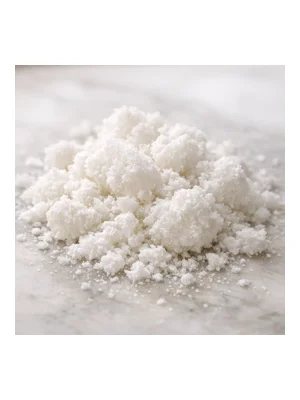
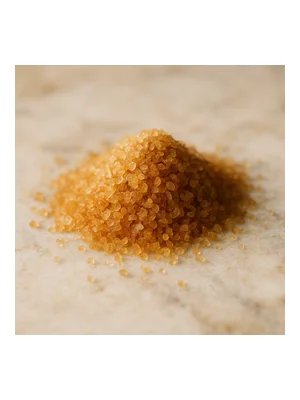
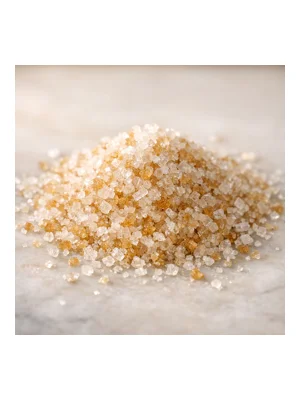
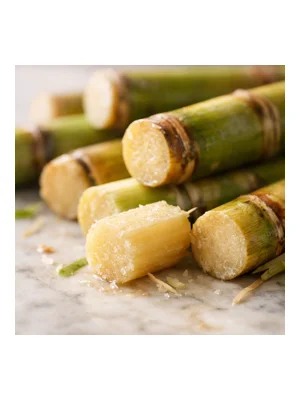
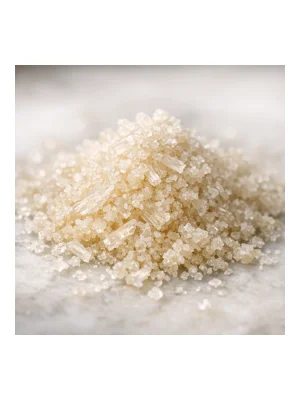
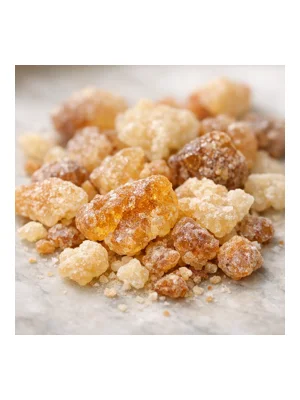
Sugar is a gourmand accord built to replicate the smell of crystalline, powdered, or cotton candy sugar on skin. It combines intensely sweet aroma chemicals with vanilla and sometimes floral or fruity facets to create a bright, candied sweetness.
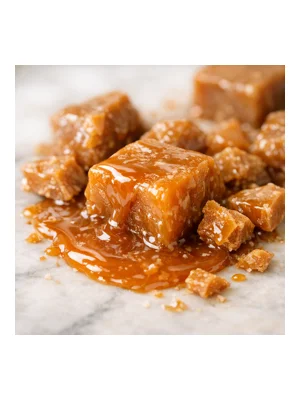
The sugar accord typically smells intensely sweet, crystalline, and slightly airy, reminiscent of granulated sugar, icing, or cotton candy rather than heavy dessert cream. Depending on the formula it can tilt toward jammy, fruity, or lightly caramelized nuances, but generally remains bright and transparent compared to deeper caramel or chocolate accords. It often carries subtle vanilla, honeyed, or musky undertones that soften the edges of the sweetness.
Notes most distinctively associated with Sugar fragrances.
Notes most frequently found in Sugar fragrances.
Sugary facets have existed implicitly wherever sweet balsams and vanillas were used, but the modern sugar accord emerged with mid to late 20th century aroma chemicals such as maltol and especially ethyl maltol. Iconic gourmand fragrances in the 1990s and 2000s popularized the cotton-candy and spun-sugar effect, making sugar-style accords a staple in mainstream perfumery. Today, sugar is treated both as a distinct note in online databases and as a basic accord formula in perfumery education resources.
Perfumers use sugar accords to intensify sweetness, add a playful gourmand character, or create a cotton-candy veil over floral, fruity, or woody structures. They often appear in the heart and base of a composition to smooth transitions and support vanillic, caramel, or berry notes, while musks and florals can refine the accord so it feels less sticky. Sugar accords are common in youthful gourmands, fruity florals, and some warm ambers, and can also be dosed lightly to add roundness without an overtly edible impression.
A selection of reviewed perfumes built around Sugar.
New dupes, honest verdicts, and UK price drops.
No spam. Unsubscribe anytime. See our privacy policy.