









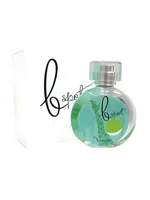
B Spot
EDT
Benefit
Acquired

Playful, feminine fragrances spun off from Benefit’s San Francisco beauty brand roots.
Benefit is an American cosmetics company that also developed a small but recognizable fragrance portfolio. The brand was founded in 1976 by twin sisters Jean and Jane Ford, who opened a San Francisco beauty boutique called The Face Place before rebranding to Benefit Cosmetics in 1990. According to LVMH and historical company information, Benefit became part of the LVMH group in 1999 and remains headquartered in San Francisco, California.
Benefit entered the fragrance space in the early 2000s, with Fragrantica and Parfumo recording launches starting in 2003. Its scents were distributed mainly through beauty retailers and its own boutiques rather than traditional department store fragrance counters. Collections such as Crescent Row were packaged with illustrated, story-driven designs that tied into the brand's playful, retro-inspired makeup identity. The range stayed relatively compact, with around a dozen fragrances released through 2014.
Most Benefit perfumes lean toward approachable, feminine compositions with fruity-floral and soft gourmand accents, reflecting the brand's wider focus on easy-to-wear, everyday beauty products. Rather than pursuing high artistic perfumery or complex, niche-style blends, Benefit used fragrance as an extension of its fun, accessible image and as a cross-sell for existing makeup customers. While fragrance is no longer a central pillar of the company compared with its brow, complexion, and mascara lines, older Benefit scents enjoy nostalgia value among fans who discovered perfume through the brand's colorful, story-based bottles and sets.
We report other people's certifications, never our own. Every claim links to its source.

Part-range claims show here only, not on perfume pages - we cannot say which bottles they cover. How we record certifications
A designer, mid house known for fruity floral compositions.
Benefit’s fragrance line emerged in the early 2000s as an offshoot of its growing cosmetics empire, mirroring the brand’s playful, retro styling in both scent and packaging. Over time, the company shifted focus more heavily toward its core strengths in brow services, mascaras, and complexion products, and new perfume launches slowed and then largely stopped after the mid-2010s. Today, Benefit’s earlier perfumes are mostly legacy or nostalgia items rather than an actively expanded portfolio, with the brand’s identity in fragrance remembered chiefly through Crescent Row and a handful of fruity-floral releases.
Benefit’s perfumes are pleasant, light, and fun, but they rarely push boundaries. They work best as casual, feel-good scents or nostalgic favorites rather than serious centerpieces of a dedicated fragrance collection.
Favourite - easy to wear anywhere · Statement - bold & distinctive · Acquired - bold, for fewer occasions
EDT
Benefit
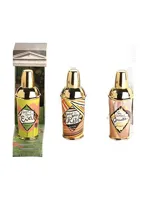
EDT
Benefit
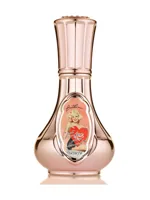
Body Spray
Benefit

EDT
Benefit
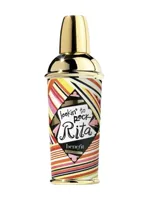
EDT
Benefit
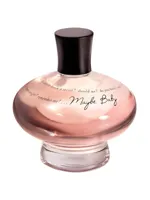
EDT
Benefit
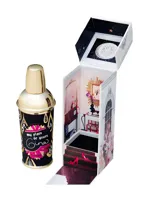
EDT
Benefit
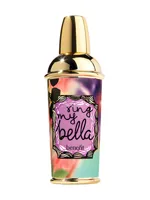
EDT
Benefit
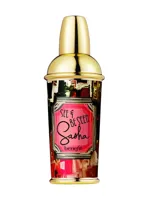
EDT
Benefit
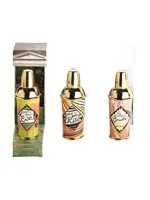
EDP
Benefit
New finds, honest verdicts, and price drops.
No spam. Unsubscribe anytime. See our privacy policy.