

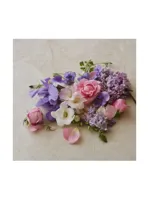



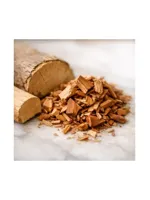


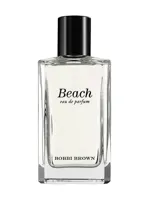
Beach
EDP
Bobbi Brown
Favourite
Cosmetics-led American brand with a small, easy-wear perfume line focused on clean, skin-friendly scents.
Bobbi Brown is a U.S. cosmetics brand created by makeup artist Bobbi Brown, who launched Bobbi Brown Essentials in 1991 at Bergdorf Goodman in New York with a line of 10 neutral-toned lipsticks. The line reportedly sold 100 units on its first day instead of the 100 per month Brown had expected, validating her focus on wearable, natural shades. In 1995, Estée Lauder Companies acquired Bobbi Brown Cosmetics, keeping Brown on as the creative lead while the brand expanded internationally into department stores and dedicated boutiques.
Fragrance joined the portfolio later in the 1990s. Industry coverage notes that Bobbi Brown began selling fragrance around spring 1998, and the brand went on to build a compact but recognizable scent lineup, including names like Beach, Bobbi, Bath, Almost Bare, Bobbi's Party, and Bed. These scents mirror the makeup philosophy: approachable compositions aimed at everyday use rather than statement-piece perfumery. Beach, for example, has become a reference point for sun, sand, and sunscreen-inspired fragrance in the mainstream market.
Within Estée Lauder, Bobbi Brown sits alongside other designer and prestige beauty labels, with fragrance as a supporting category rather than its primary focus. The house typically releases fewer flanker-heavy series than larger perfume-led brands, and many of its perfumes stay close to skin for office and casual wear. After Bobbi Brown herself left the company in 2016, the brand has continued under Estée Lauder ownership, maintaining a steady, low-drama presence in the fragrance space while concentrating its energy on color cosmetics and base products.
A designer, premium house known for clean musks compositions.
The brand began as a makeup-first line and added fragrance around 1998, focusing on clean, beachy, and body-product-adjacent scents rather than classical perfumery structures. Over time, launches have remained relatively sparse compared with fragrance-led houses, and the core hits like Beach and Bath continue to define the brand’s olfactive reputation. After Bobbi Brown left the Estée Lauder-owned company in 2016, the fragrance direction stayed conservative, prioritizing continuity and everyday wearability over reinvention.
Bobbi Brown fragrances are safe, skin-like perfumes that suit people who want to smell quietly put-together rather than perfumed. Enthusiasts seeking complexity or bold character will likely find this house too polite.
Favourite - easy to wear anywhere · Statement - bold & distinctive · Acquired - bold, for fewer occasions
New finds, honest verdicts, and price drops.
No spam. Unsubscribe anytime. See our privacy policy.