
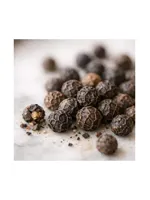


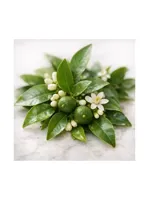
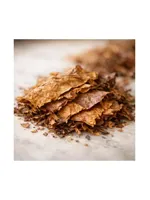







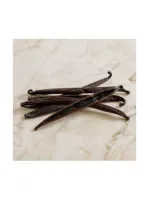






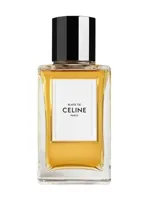
Black Tie
EDP
Celine
Favourite

Powdery, introspective French designer fragrances shaped by Hedi Slimane’s aesthetic.
Celine was founded in Paris in 1945 by Céline Vipiana and her husband Richard as a made-to-measure children’s shoe boutique at 52 rue Malte, identified by a red elephant logo drawn by French cartoonist Raymond Peynet. The company expanded into women’s shoes in 1959 and leather goods by the mid 1960s, building a reputation for high quality handbags and accessories while opening a leather goods workshop in Florence.
The brand entered perfumery in 1964 with Vent Fou, its first fragrance, which appeared alongside the American Sulky accessories collection. Later releases included Magic (launched in 1996 as a key women’s fragrance) and several scents in the 1990s and early 2000s. After a long pause in new launches, Celine re-entered the fragrance market under creative director Hedi Slimane with the Celine Haute Parfumerie line, unveiled in 2019. This collection debuted with 11 eaux de parfum, including scents such as Saint-Germain-des-Prés, Dans Paris, Cologne Française and Eau de Californie, many of which Slimane has described as being based on his own memories of Paris and California.
Celine is part of the LVMH group, which acquired the fashion house in the 1990s as it consolidated several French luxury brands. The current fragrance output is focused on the Haute Parfumerie range, sold through selected Celine boutiques and the brand’s website, rather than mass distribution. The line is positioned as a coherent wardrobe of scents with a noticeable emphasis on powdery textures and understated sophistication rather than loud, crowd-pleasing compositions.
A designer, luxury house known for powdery compositions.
Celine’s fragrance history begins with Vent Fou in 1964 and sporadic launches through the 1990s and early 2000s, including Magic in 1996. After years of relative quiet in perfumery, the brand effectively rebooted its scent identity in 2019 under Hedi Slimane with the Haute Parfumerie collection. Since then, new releases have expanded that line while maintaining a tight aesthetic: powdery, memory-driven scents with discreet performance and strong visual branding. The focus has shifted from classic designer distribution to a boutique-driven, almost niche presentation under the LVMH luxury umbrella.
Celine’s current perfume line is for people who like subtle, powdery luxury rather than loud, high-projection designer hits. If you want a refined, intimate signature and buy into Slimane’s universe, it is compelling; if you want instant compliments, you may find it too quiet.
Favourite - easy to wear anywhere · Statement - bold & distinctive · Acquired - bold, for fewer occasions
EDP
Celine
EDP
Celine

EDP
Celine
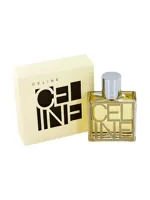
EDT
Celine
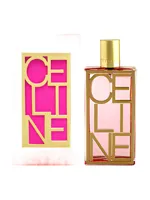
EDT
Celine
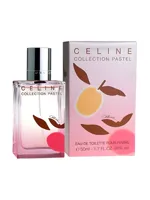
EDT
Celine
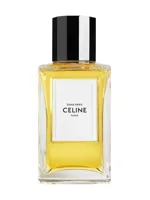
EDP
Celine
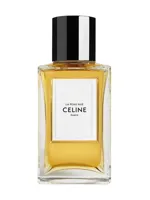
EDP
Celine
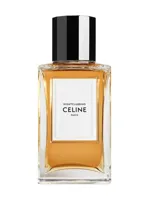
EDP
Celine
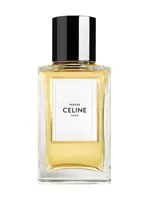
EDT
Celine
New finds, honest verdicts, and price drops.
No spam. Unsubscribe anytime. See our privacy policy.