Angelica root oil
A natural extractCAS 8015-64-3
Angelica root oil (IFRA NCS). The seed oil is a separate, brighter material.
- Restricted
- An IFRA Standard limits how much of this a perfumer can use the limit applies to the perfumer, not the wearer
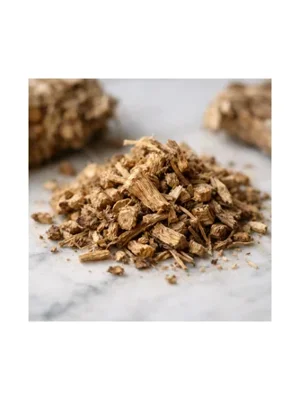
Note Profile
Angelica has a unique, earthy-green scent often described as musky, slightly peppery, and aromatic with hints of celery and juniper. It brings a fresh, slightly woody and herbal nuance to fragrances, adding depth and complexity. The root is most commonly used, imparting a subtly sweet, powdery undertone.
Angelica presents an earthy-green aroma with musky and aromatic facets, accompanied by subtle peppery and herbal notes. Its scent profile includes nuances reminiscent of celery, juniper, and a gentle woody undertone, evolving into a powdery, slightly sweet finish. The overall effect is fresh yet complex, with a soft, lingering character.
Read off the wheel, not a label applied to the note.
CAS 8015-64-3
Angelica root oil (IFRA NCS). The seed oil is a separate, brighter material.
These are facts about the substance, not about any perfume with this note.
A perfume that names Angelica can use a different extract, a reformulated version, or a synthetic reconstruction. It can also hold less than the amount that requires a declaration. We cannot tell which applies. These rows cover only the substances we hold a link for.
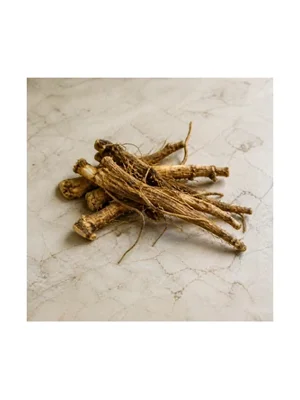
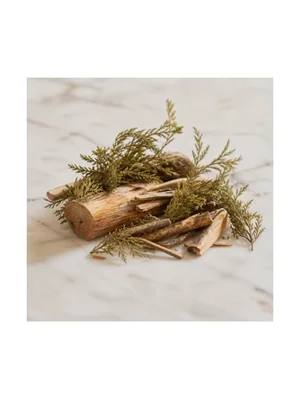
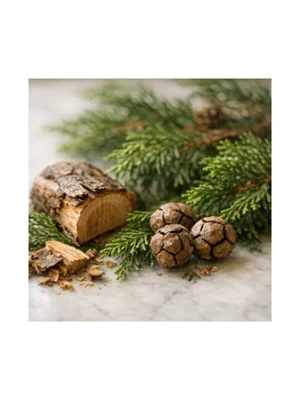
Angelica is primarily sourced from the root of Angelica archangelica, a plant native to northern Europe and parts of Asia. The essential oil is typically obtained through steam distillation of the dried roots, though seeds and stems are sometimes used for different aromatic qualities. Cultivation is common in France and Scandinavia for perfumery purposes.
Perfumers often use angelica as a heart or base note to impart herbal depth and musky warmth to compositions. It blends well with woody, citrus, and aromatic notes, supporting both green and spicy accords. Angelica is valued for its ability to add complexity and a naturalistic, slightly powdery texture to fragrances.
Perfumers known for using Angelica include
Lyn Harris, Euan McCall, Bertrand Duchaufour, Anne Flipo, Daniela Andrier, and Isabelle Doyen
A selection of reviewed perfumes where Angelica appears prominently.
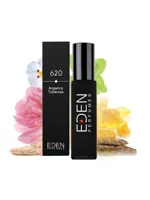
Parfum
Eden Perfumes
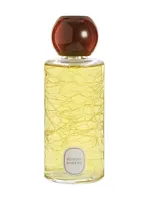
EDP · 2015
Diptyque
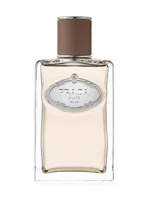
EDP · 2022
Prada
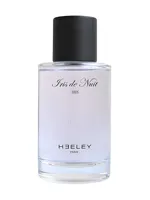
EDP
James Heeley
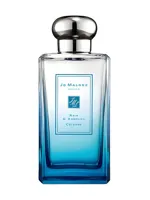
EDC · 2014
Jo Malone London
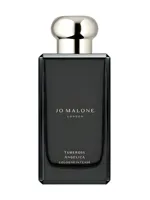
EDP · 2014
Jo Malone London
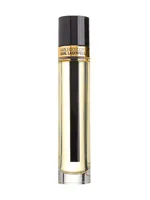
EDP · 2011
Karl Lagerfeld
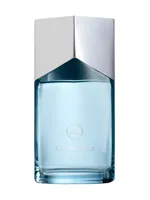
EDP · 2023
Mercedes-Benz
EDP · 2014
Perfume Parlour
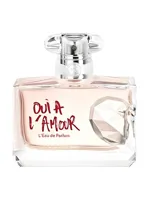
EDP · 2017
Yves Rocher
New finds, honest verdicts, and price drops.
No spam. Unsubscribe anytime. See our privacy policy.