

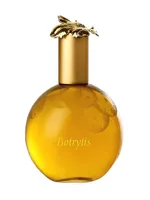
Botrytis
EDP
Ginestet
Favourite
Bordeaux wine specialist translating specific wine styles into niche perfumes.
Ginestet began life in 1897 when Fernand Ginestet founded his wine company in Bordeaux. The firm established itself on the Quais de Bacalan and became closely linked to the local trade structure; Fernand Ginestet created an “Estate and Trade Union” that was a forerunner of what later became the Bordeaux Wine Council in 1948. For much of its history, Ginestet was known for Bordeaux wines and associations with notable châteaux.
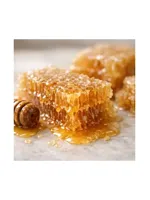
In the 2000s the house extended its expertise in wine into perfumery. Working in collaboration with oenologists and a Paris-based perfumer, Ginestet set out to translate the character of specific Bordeaux wine styles into fragrance. In 2008 the company launched three perfumes built around this concept: Sauvignonne, inspired by dry white wine; Botrytis, modeled on Sauternes dessert wine; and Le Boisé, reflecting a woody red wine aged in oak. These scents use notes such as honey, fruits, woods and spices to mirror the flavor profiles of the wines they reference.
Today Ginestet’s perfume line is small but distinctive, positioned at the intersection of wine culture and niche fragrance. The perfumes often lean into gourmand and vinous accords, with Botrytis in particular gaining attention among enthusiasts for its honeyed, wine-like richness. Distribution remains relatively limited compared with mainstream designer brands, reinforcing the label’s specialized, wine-centric identity within perfumery.
A niche, premium house known for gourmand compositions.
Ginestet spent over a century as a Bordeaux wine merchant before entering perfumery in the 2000s. The 2008 launch of Sauvignonne, Botrytis and Le Boisé marked a deliberate move into fragrance while staying rooted in the house’s wine expertise. Since then the brand has kept a tight, stable catalog rather than chasing trends or rapid flanker releases, focusing on maintaining the wine-perfume crossover identity.
Ginestet is a small but focused niche player: great if you love honeyed, wine-inspired scents, unnecessary if you prefer clean citrus or airy florals. The line is concept-driven and well executed, but its narrow scope will not suit every collection.
Favourite - easy to wear anywhere · Statement - bold & distinctive · Acquired - bold, for fewer occasions
New finds, honest verdicts, and price drops.
No spam. Unsubscribe anytime. See our privacy policy.