


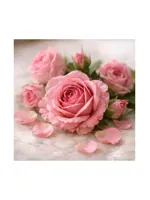
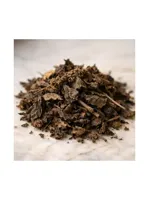
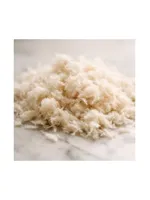
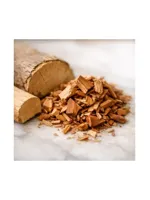


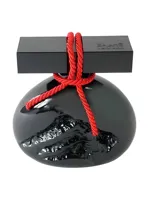
Balahe
EDT
Leonard Paris
Acquired
French couture house with a small, floral-focused fragrance line rooted in 1970s and 1980s compositions.
Leonard Paris is a French couture house founded in 1958 by Jacques Léonard, initially recognized for knitwear and printed fabrics. In the 1960s, the company developed an innovative "Fully-Fashion" printing technique for pullovers, securing a patent for continuous printed knitwear and cementing its reputation for technical fabric know-how. Floral motifs, particularly orchids, quickly became visual emblems of the brand's identity and continue to define its aesthetic.
In 1969 Leonard expanded into perfumery, deliberately linking fragrance to its couture activity. The first perfume, Fashion de Leonard, launched that year and was followed by feminine and masculine lines such as Tamango, Leonard pour Homme, Balahé, Leonard de Leonard and Monsieur Leonard through the 1970s, 1980s and early 1990s. These releases built a small but distinctive catalog that often mirrors the house's floral, fabric-inspired visual language in olfactory form.
Leonard perfumes have been created in collaboration with several well-known perfumers, including Bertrand Duchaufour, Olivier Pescheux, Christophe Raynaud, Daniel Moliere and others, reflecting a reliance on established French fragrance expertise rather than in-house noses. Key longstanding scents like Tamango and Cuir Ambré are noted by the brand for their originality and have maintained recognition among enthusiasts despite relatively modest mainstream distribution.
After decades as an independent French luxury prêt-à-porter house, Leonard was acquired in 2022 by the Japanese group Sankyo Seiko Co., Ltd., marking a new phase in its international development. The fragrance line today sits alongside couture and accessories, with a profile that is coherent with its fashion heritage: floral-leaning, often elegant but approachable compositions that reflect the brand's historical focus on printed flowers and refined textiles rather than aggressive trend chasing.
A designer, mid house known for floral compositions.
Leonard’s fragrance activity began in 1969 with Fashion de Leonard, aligned closely with the couture identity and the rise of French designer perfumery. Through the 1970s to the early 1990s, the house released a cluster of notable scents that established a vintage-leaning floral and chypre signature. Later launches in the 2000s and 2010s, such as Signature and Leonard de Leonard Eau de Parfum, adapted the style slightly toward fresher and sweeter touches while preserving a floral core. The 2022 acquisition by Sankyo Seiko could enable broader international development, but the brand still operates more like a discreet heritage designer label than an aggressive fragrance marketer.
Leonard is a niche-feeling French designer house for fragrance collectors who appreciate vintage-style florals and understated elegance over trendy blockbusters. If you want distinctive but quietly classic perfumes that are off most people’s radar, this brand is worth exploring despite its limited availability.
Favourite - easy to wear anywhere · Statement - bold & distinctive · Acquired - bold, for fewer occasions
New finds, honest verdicts, and price drops.
No spam. Unsubscribe anytime. See our privacy policy.