









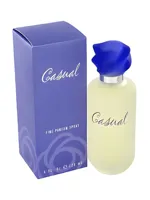
Casual
EDP
Paul Sebastian
Favourite

American aromatic-oriental masculines with classic style at accessible prices.
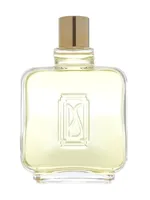
Paul Sebastian is an American fragrance brand created in 1979 by New Jersey friends Leonard Paul Cuozzo and Alan Sebastian Greco. The name of the company comes from their middle names, Paul and Sebastian. Working with perfumer Fritzsche Dodge, Cuozzo spent several years developing the formula that became PS Fine Cologne, while Greco brought his sales and marketing experience from Textron to help turn it into a viable business.
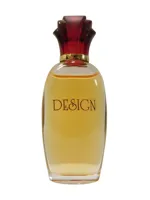
The first bottles of PS Fine Cologne were sold through just a few New Jersey clothing stores and promoted largely through in-store relationships rather than traditional advertising. Despite this low-key start, distribution expanded rapidly: within about two years, the fragrances were reportedly in hundreds of U.S. stores and generating significant annual sales. The brand broadened its lineup during the 1980s with launches such as VSOP, Design, Brownstone, and Tribeca, and entered the global perfume market by the end of that decade.
In the late 1990s, Cuozzo and Greco sold Paul Sebastian to French Fragrances Inc., a Miami Lakes company that also handled licenses for Halston and Geoffrey Beene. French Fragrances later acquired Elizabeth Arden in 2000 and rebranded as Elizabeth Arden Inc., placing Paul Sebastian under that umbrella. When Revlon purchased all of Elizabeth Arden's assets in 2016, Paul Sebastian became part of the Revlon portfolio. Through these ownership changes, PS Fine Cologne from 1979 has remained the flagship, with a recognizable aromatic-woody-oriental style built around lavender, sage, jasmine, rose, sandalwood, amber, and musk.
Today the brand positions itself around traditionally masculine, dressy fragrances that lean aromatic and oriental rather than fresh-sporty. Its core scents are widely available through U.S. retailers and discounters, maintaining a presence that outstrips the modest, regional beginnings in New Jersey clothing shops.
A mass market, mid house known for aromatic compositions.
Paul Sebastian started with a single cologne sold regionally and relied on relationship-based marketing rather than advertising, which shaped its reputation as a quiet insider favorite. During the 1980s and 1990s the range expanded and distribution went global, but the olfactory direction stayed rooted in aromatic, woody-oriental masculines rather than chasing fresher mainstream trends. After being absorbed into larger corporate structures via French Fragrances, Elizabeth Arden, and finally Revlon, the pace of innovation slowed and the focus shifted to maintaining legacy offerings such as PS Fine Cologne and Design. The brand today functions largely as a heritage line within a bigger portfolio, with its character defined more by continuity than reinvention.
If you enjoy classic, aromatic-oriental masculines and do not mind a slightly retro vibe, Paul Sebastian offers outstanding value and performance. If you want cutting-edge compositions or modern shower-fresh styles, this house will probably feel dated and limited in scope.
Favourite - easy to wear anywhere · Statement - bold & distinctive · Acquired - bold, for fewer occasions
New finds, honest verdicts, and price drops.
No spam. Unsubscribe anytime. See our privacy policy.