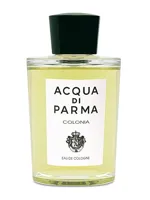
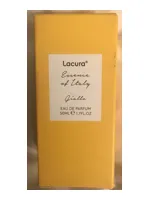
Is Aldi Giallo a dupe of Acqua di Parma Colonia?






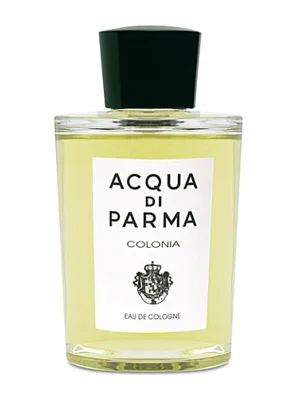 Colonia EDC
| EDC | Concentration | EDP |
| U | Gender | U |
| 1916 | Year | - |
| $$ | Price Tier | $ |
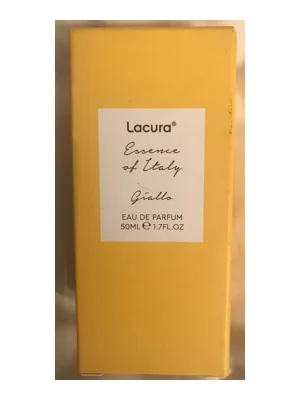 Giallo EDP
Colonia is the sharper, more polished buy: a classic citrus cologne with Italian elegance, airy freshness and a proper luxury feel that suits formal wear and hot weather. Giallo takes a similar citrus-spicy direction but at EDP concentration, adding pink pepper warmth, with a more casual edge and less refinement. Want the original benchmark, better finesse and a cleaner signature? Colonia wins that easily. Want the same vibe at a fraction of the cost for daily use? Giallo gets you there. Prestige versus value, in short: Colonia for polish, Giallo for easygoing everyday wear.
 →
Where they differ
Biggest gaps first. The bolder side leads.
ScentArt
How it unfolds
Notes
- Colonia
- Giallo
- in both
Tap a note to light it in both. A+B means both have it


Which Should You Buy?
- You want the more refined, classic citrus profile.
- You prefer a luxury scent with timeless prestige.
- You need a cleaner, more elegant signature.
- You want the benchmark scent, not just the vibe.
- You want a cheaper everyday alternative.
- You prefer a slightly spicier modern twist.
- You want similar freshness without luxury pricing.
- You like casual scents for low-stakes wear.
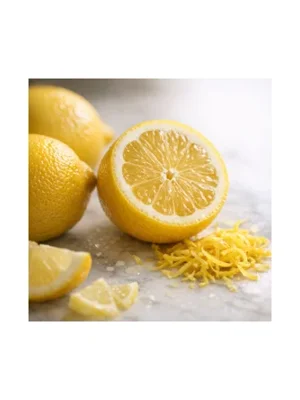
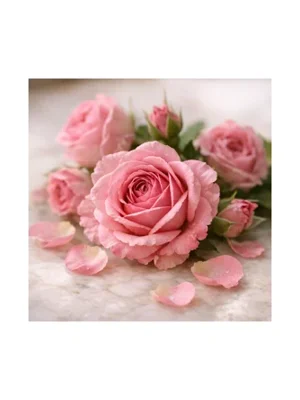
Lemon, orange and bergamot create a crisp citrus opening, followed by lavender, rose and rosemary, before vetiver, sandalwood and patchouli bring smooth woody depth.
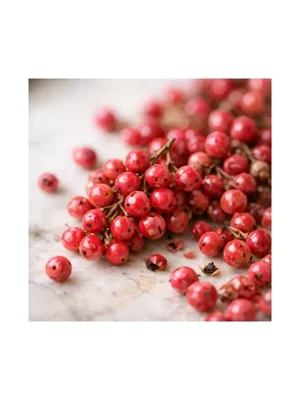
Giallo means yellow, and the scent behaves: sunny, citrusy and clean. Bergamot, orange and pink pepper start bright, neroli and jasmine follow, and musk and soft wood polish it off. Good for spring days.
Scent Profile
How They Wear
Mood
Notes
Top Notes
Heart Notes
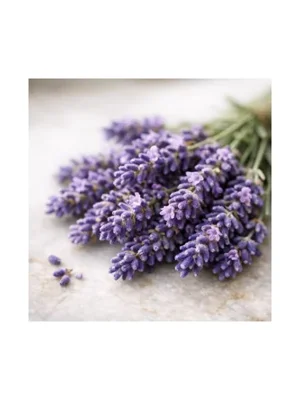 Lavender
11% share of the perfume
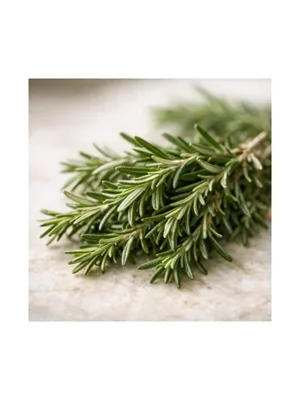 Rosemary
10% share of the perfume
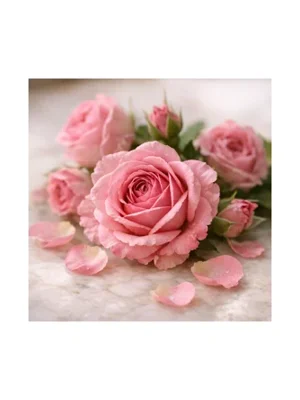 Rose
8% share of the perfume
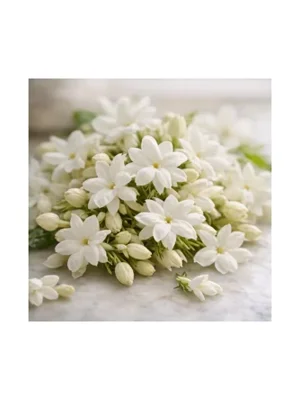 Jasmine
4% share of the perfume
Base Notes
Base Notes
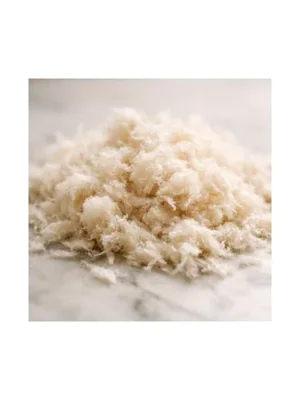 Musk
14% share of the perfume
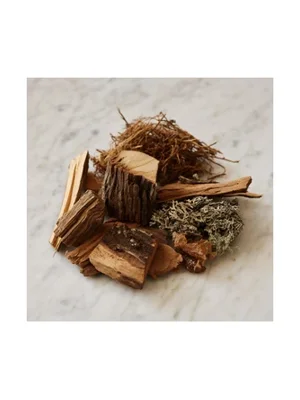 Woody Notes
12% share of the perfume
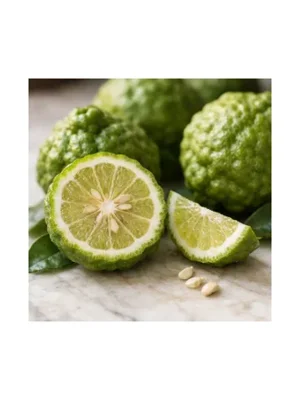 Bergamot
8%
vs
20%
Musk
8%
vs
13%
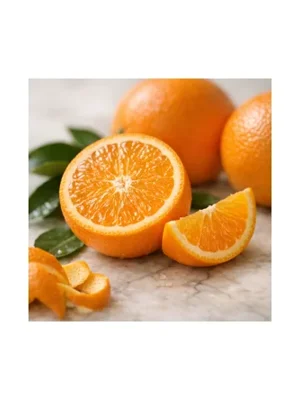 Orange
8%
vs
13%
Jasmine
4%
vs
11%
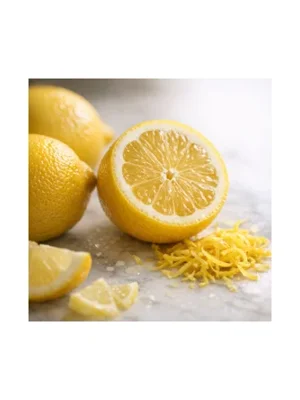 Lemon
17% share of the perfume
Lavender
11% share of the perfume
Rosemary
10% share of the perfume
Rose
8% share of the perfume
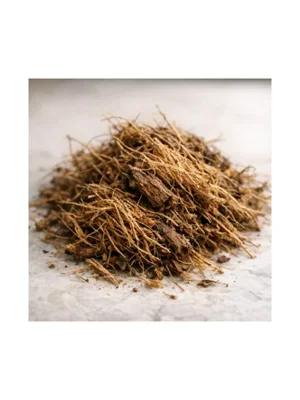 Vetiver
8% share of the perfume
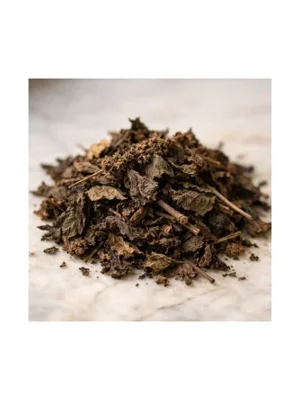 Patchouli
8% share of the perfume
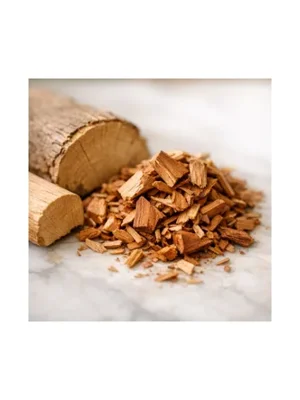 Sandalwood
8% share of the perfume
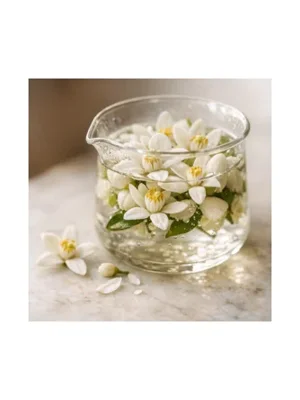 Neroli
19% share of the perfume
Woody Notes
12% share of the perfume
 Pink Pepper
9% share of the perfume
Bergamot
8%
vs
20%
Orange
8%
vs
13%
Lemon
17% share of the perfume
Pink Pepper
9% share of the perfume
Jasmine
4%
vs
11%
Lavender
11% share of the perfume
Rosemary
10% share of the perfume
Rose
8% share of the perfume
Neroli
19% share of the perfume
Musk
8%
vs
13%
Vetiver
8% share of the perfume
Patchouli
8% share of the perfume
Sandalwood
8% share of the perfume
Woody Notes
12% share of the perfume
Note weights are our estimate from each note's place in the pyramid, not the share of the formula. Brands do not publish formulations.
Performance
Season and Occasion Fit
Seasons
Lemon, bergamot and orange lead the composition, with aromatic herbs carrying the bright character and a lighter woody base.
Occasions
Brisk citrus and a gentle aromatic heart give the scent an easy, straightforward character, while the floral and woody base adds quiet polish.
Seasons
Orange, neroli and jasmine have spring written all over them, and summer works nearly as well. Autumn and winter ask for more warmth.
Occasions
Polished and bright, it works for the office, casual days and a lunch out. A formal evening needs more depth than it has.
Similarity Breakdown
Our estimate of how alike these two fragrances smell, calculated from their published notes. It is a position on our scale, not a measured percentage of shared smell.
Shares 4 of its 11 notes, including Orange, Jasmine, Musk
Adds lavender and lemon, drops neroli and pink pepper
Where to buy
Pick a size. The two cheapest offers, then the rest.




Prices before sales tax, which the shop adds at checkout.
ScentVerdict earns a commission from purchases - this doesn't affect our verdicts.