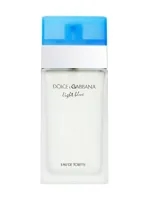

Light Blue Eau de Parfum vs White Gold Eau de Parfum

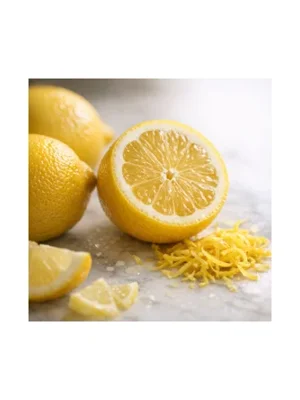


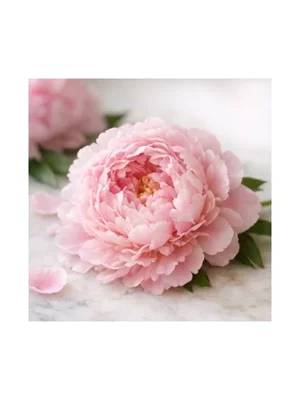

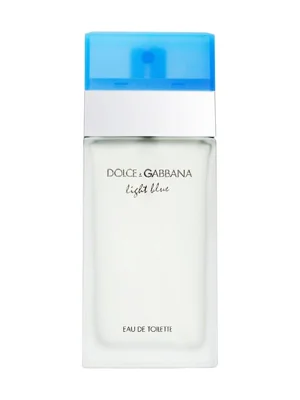 Light Blue EDP
| EDP | Concentration | EDP |
| F | Gender | F |
| 2026 | Year | 2011 |
| $$ | Price Tier | $$ |
 White Gold EDP
Light Blue is a vibrant citrus aromatic, while White Gold leans into musky florals. Light Blue is known for its bright, summery feel, but its longevity is often criticized. White Gold offers a more subtle, powdery experience, although some find it synthetic. If you want a fragrance that announces itself with a burst of freshness, go for Light Blue. If you prefer a quieter, skin-like scent, White Gold might be more your style, especially given its price point.

Where they differ
Biggest gaps first. The bolder side leads.
ScentArt
How it unfolds
Notes
- Light Blue
- White Gold
- in both
Tap a note to light it in both. A+B means both have it


Which Should You Buy?
- You want a recognizable, mass-appealing summer fragrance.
- Citrus and crisp green apple are your go-to notes.
- You prefer a fragrance with a brighter, more energetic opening.
- You prefer a subtle, musky scent that sits close to the skin.
- You want a fragrance that's office-friendly and inoffensive.
- You like powdery florals with a clean, almost soapy vibe.
Not a stronger copy of the original: a spiced, golden take on the Light Blue lemon, with frangipani, marigold and a dash of cinnamon, warmed by benzoin and amberwood. Closer to a summer evening than a swim.
Peony and lily of the valley with a touch of rosewood, resting on orris, musk and vanilla. A clean, powdery, soft musky floral that stays gentle and tidy, for work and spring days.
Scent Profile
How They Wear
Mood
Notes
Top Notes
Top Notes
Heart Notes
Base Notes
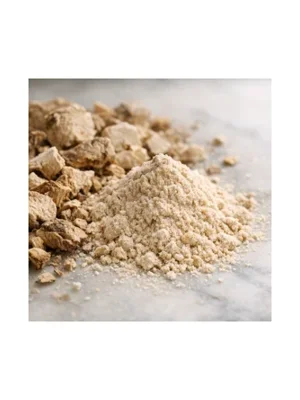
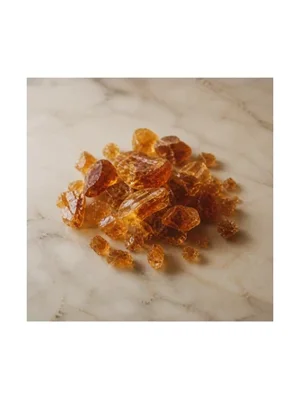 Amberwood
23% share of the perfume
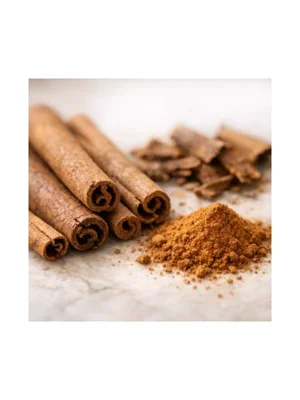 Cinnamon
23% share of the perfume
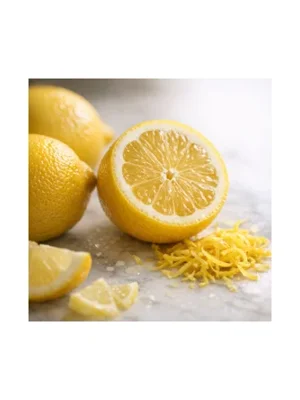 Lemon
21% share of the perfume
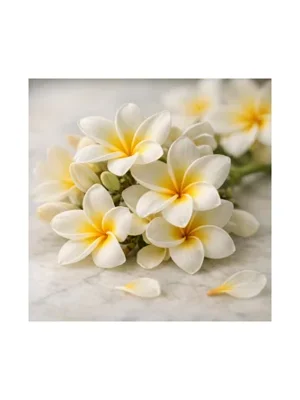 Frangipani
15% share of the perfume
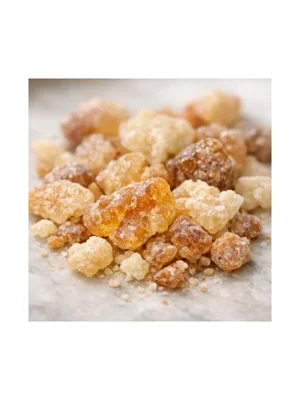 Benzoin
11% share of the perfume
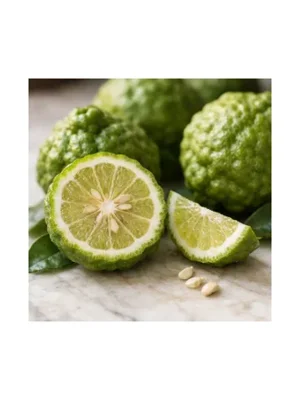 Bergamot
4% share of the perfume
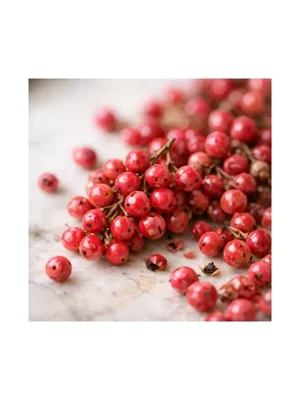 Pink Pepper
2% share of the perfume
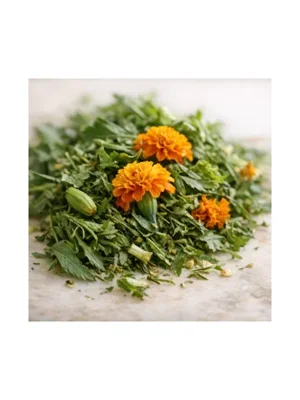 Marigold
2% share of the perfume
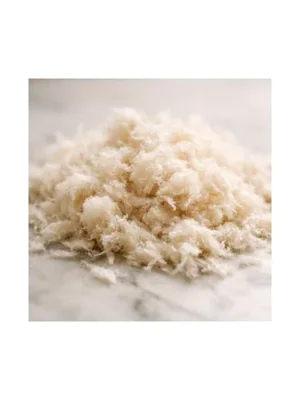 Musk
17% share of the perfume
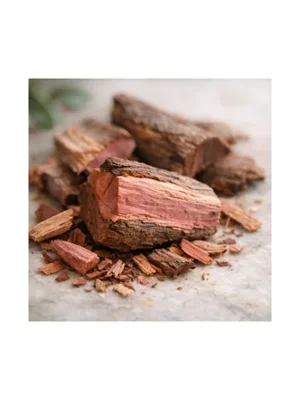 Rosewood
17% share of the perfume
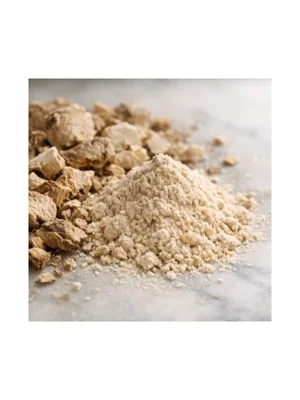 Iris
17% share of the perfume
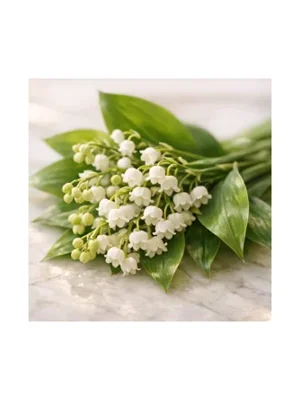 Lily of the Valley
17% share of the perfume
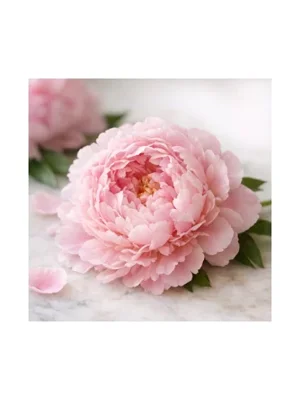 Peony
17% share of the perfume
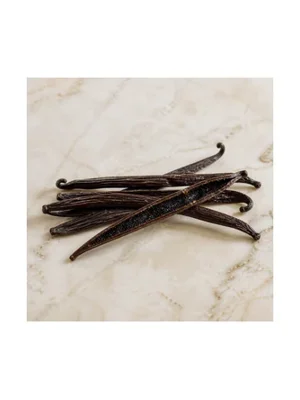 Vanilla
17% share of the perfume
Lemon
21% share of the perfume
Bergamot
4% share of the perfume
Pink Pepper
2% share of the perfume
Musk
17% share of the perfume
Iris
17% share of the perfume
Vanilla
17% share of the perfume
Note weights are our estimate from each note's place in the pyramid, not the share of the formula. Brands do not publish formulations.
Performance
Season and Occasion Fit
Seasons
Sparkling lemon, bergamot and frangipani are summer first and spring second. Benzoin and cinnamon make it too warm for deep winter.
Occasions
Moderate and approachable, it suits the office and casual days. It is relaxed enough for an evening out and lacks the weight for formal events.
Seasons
Peony, lily of the valley and a clean musk are made for spring, and summer and autumn are close behind. Winter wants more weight.
Occasions
Fresh, clean and subtle, it is made for the office and casual days. An easy evening is possible, but it is not assertive enough for formal events or sport.
Similarity Breakdown
Our estimate of how alike these two fragrances smell, calculated from their published notes. It is a position on our scale, not a measured percentage of shared smell.
Similar overall composition based on olfactory analysis
Adds iris and lily of the valley, drops amberwood and benzoin
Where to buy
Pick a size. The two cheapest offers, then the rest.



Prices before sales tax, which the shop adds at checkout.
ScentVerdict earns a commission from purchases - this doesn't affect our verdicts.