

Is Fragrance World Terro Pura a dupe of Orto Parisi Terroni?



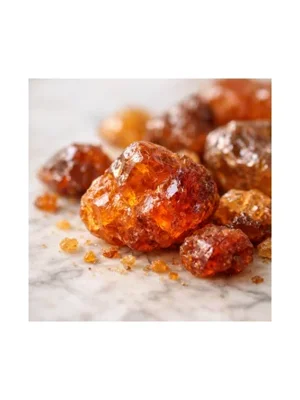
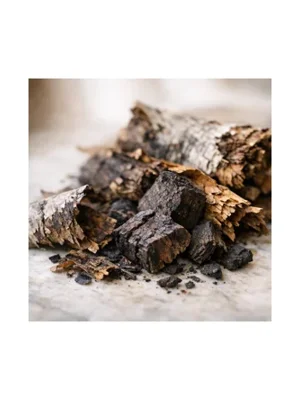


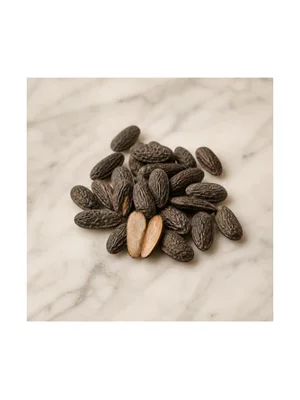

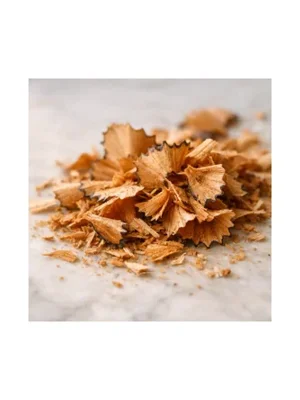
 Terroni Parfum
| Parfum | Concentration | EDP |
| U | Gender | U |
| 2017 | Year | 2023 |
| $$$$ | Price Tier | $ |
 Terro Pura EDP
Terroni is the darker, denser, more forceful option - a smoky raspberry-to-burnt-wood composition that feels made for cold nights and private wear. Terro Pura follows the same smoky, woody lane but reads more as a patient unfolding of the idea, so it suits someone who wants the same territory in a less luxury-leaning package. Terroni feels more immediate and uncompromising, with a harsher, more dramatic edge. Terro Pura is the more accessible route if you want the scent profile without quite as much intensity or seriousness. If the brief is bold, gloomy and unmistakably substantial, Terroni is the stronger pick. If you want a similar smoky-woody signature with a gentler entry point, Terro Pura makes more sense.

Where they differ
Biggest gaps first. The bolder side leads.
ScentArt
How it unfolds
Notes
- Terroni
- Terro Pura
- in both
Tap a note to light it in both. A+B means both have it


Which Should You Buy?
- Terroni opens with a darker, more dramatic smoky hit.
- Terroni feels fuller and more forceful straight away.
- Terroni suits winter evenings and colder weather best.
- Terroni is better for those who like a bold, burnt-wood style.
- Terro Pura offers the same smoky-woody direction at lower cost.
- Terro Pura is for wearers who prefer a slower reveal.
- Terro Pura feels less severe than Terroni on first spray.
- Terro Pura keeps the dark profile but softens the impact.
A winter-evening scent and not one for shared offices. Raspberry flashes past in seconds, then birch, guaiac wood and vetiver take over with the weight of burnt timber. Dense, dark, very strong.
This one's a bit of a Jekyll and Hyde. Give it time, and you'll find a smoky, woody beast. If you're after something instantly palatable, look elsewhere; this demands patience.
Scent Profile
How They Wear
Mood
Notes
Top Notes
Top Notes
Heart Notes
Base Notes
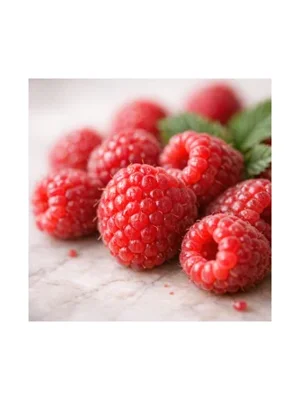 Raspberry
14%
vs
9%
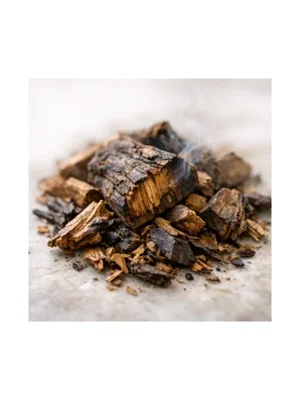 Guaiac Wood
12%
vs
8%
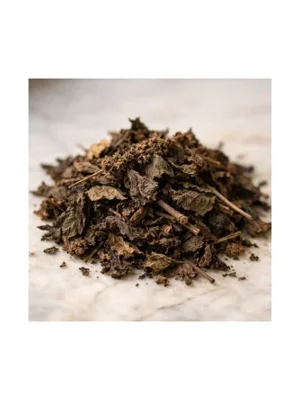 Patchouli
10%
vs
9%
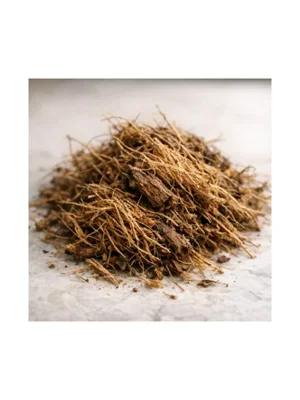 Vetiver
9%
vs
11%
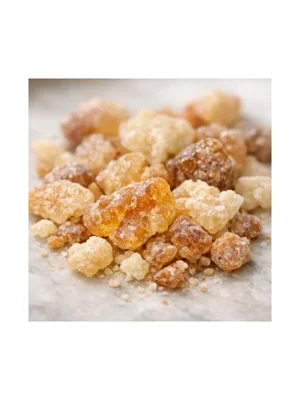 Benzoin
9%
vs
6%
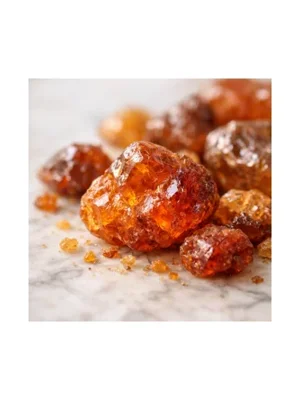 Amber
8%
vs
8%
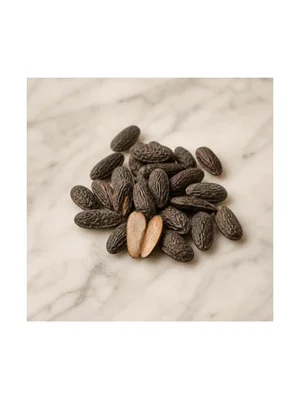 Tonka Bean
7%
vs
6%
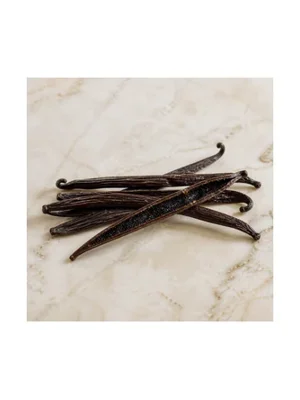 Vanilla
6%
vs
5%
 Musk
5%
vs
6%
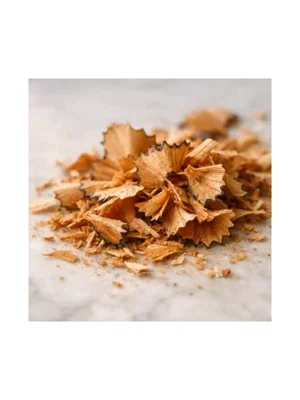 Cedar
5%
vs
10%
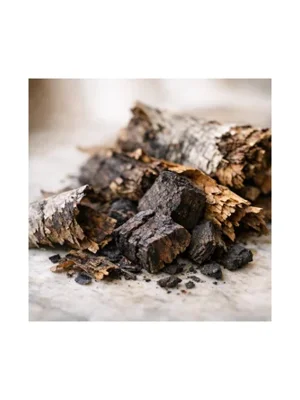 Birch
5%
vs
10%
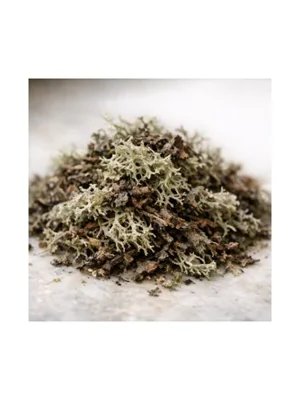 Oakmoss
4%
vs
6%
Raspberry
14%
vs
9%
Guaiac Wood
12%
vs
8%
Patchouli
10%
vs
9%
Vetiver
9%
vs
11%
Tonka Bean
7%
vs
6%
Vanilla
6%
vs
5%
Musk
5%
vs
6%
Cedar
5%
vs
10%
Oakmoss
4%
vs
6%
Note weights are our estimate from each note's place in the pyramid, not the share of the formula. Brands do not publish formulations.
Performance
Season and Occasion Fit
Seasons
Birch, oakmoss and guaiac wood need cold air to settle: winter is where it belongs, autumn a close second. Summer heat would make it suffocating.
Occasions
Strong projection makes it a dark-evening scent for dates and dressed-up nights. Keep it out of the office, where it would take over the room.
Seasons
A year-round scent - easy to wear in any season.
Occasions
Its bold, smoky, and woody character makes it less suitable for professional or formal settings, where it could be overpowering. It performs best in casual or date night scenarios, provided you're going for a strong, distinctive impression. This isn't a sport scent by any stretch.
Similarity Breakdown
Our estimate of how alike these two fragrances smell, calculated from their published notes. It is a position on our scale, not a measured percentage of shared smell.
Every one of its 12 notes is in the original, including Cedar, Vanilla, Musk
Near-identical note list, differs in proportion
Where to buy
Pick a size. The two cheapest offers, then the rest.



Prices before sales tax, which the shop adds at checkout.
ScentVerdict earns a commission from purchases - this doesn't affect our verdicts.