

Is Paris Corner Wayward Charlie a dupe of Franck Boclet Cocaïne?





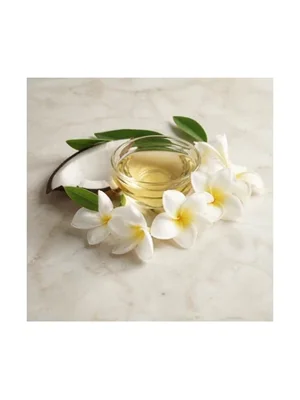


 Cocaïne Extrait
| Extrait | Concentration | EDP |
| U | Gender | U |
| 2017 | Year | 2022 |
| $$ | Price Tier | $ |
 Wayward Charlie EDP
Cocaïne and Wayward Charlie are strikingly similar tuberose-centered fragrances, but subtle differences exist. Cocaïne leans into a bolder, beast-mode white floral experience with a higher price tag. Wayward Charlie offers a more budget-friendly, though equally unconventional, take on the tuberose theme. The key difference lies in the overall composition's refinement; Cocaïne is smoother, while Wayward Charlie has a slightly rougher, more challenging edge. Both are divisive, so test before committing to a full bottle.

Where they differ
Biggest gaps first. The bolder side leads.
ScentArt
How it unfolds
Notes
- Cocaïne
- Wayward Charlie
- in both
Tap a note to light it in both. A+B means both have it


Which Should You Buy?
- You want a smoother, more refined white floral experience.
- You prefer a fragrance with beast-mode projection.
- You're willing to invest in a higher-priced option.
- You desire a complex, addictive fragrance.
- You're on a budget and want a similar scent profile.
- You enjoy fragrances with a slightly rougher edge.
- You prefer a more challenging and unconventional tuberose.
- You like to test the waters with a lower-risk purchase.
Bold tuberose with lily and orchid, caramel and red berries, bitter orange and a trace of tobacco, drying to monoï, vanilla and patchouli. A loud, creamy white floral with a dark, burnt-sugar edge.
Wayward Charlie is absolutely not for the faint of heart - it's a divisive, oddball tuberose that demands confidence and a taste for the unconventional. Don't expect a crowd-pleaser; this one's for the bold.
Scent Profile
How They Wear
Mood
Notes
Top Notes
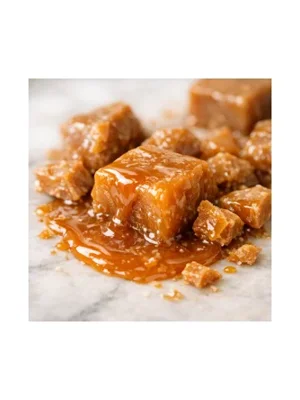 Caramel
13% share of the perfume
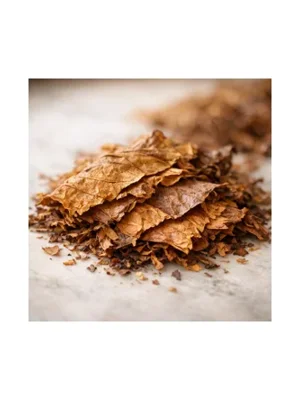 Tobacco
9% share of the perfume
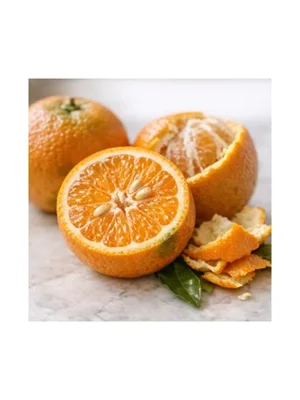 Bitter Orange
6% share of the perfume
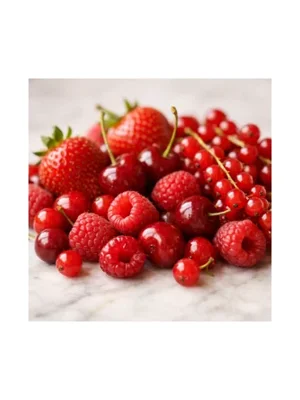 Red Fruits
2% share of the perfume
Top Notes
Tobacco
16% share of the perfume
Bitter Orange
15% share of the perfume
Caramel
7% share of the perfume
Red Fruits
2% share of the perfume
Heart Notes
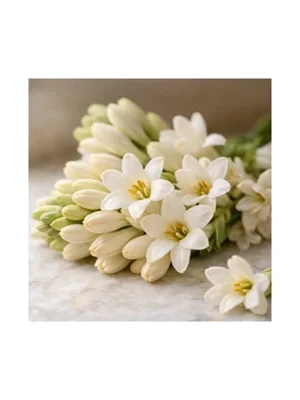 Tuberose
17%
vs
27%
Caramel
13%
vs
6%
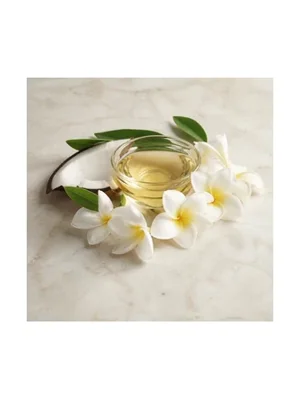 Monoï
12%
vs
2%
 Lily
12%
vs
12%
Tobacco
9%
vs
16%
 Patchouli
8%
vs
2%
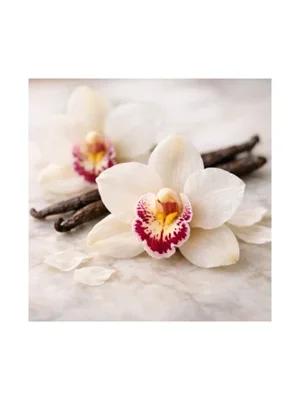 Orchid
8%
vs
3%
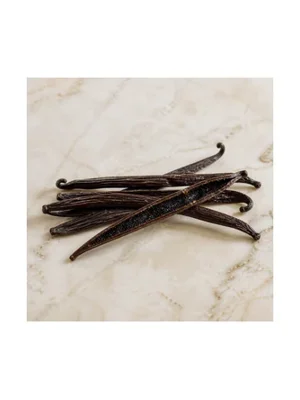 Vanilla
8%
vs
12%
Bitter Orange
5%
vs
14%
Red Fruits
2%
vs
2%
Note weights are our estimate from each note's place in the pyramid, not the share of the formula. Brands do not publish formulations.
Performance
Season and Occasion Fit
Seasons
Tuberose, caramel, vanilla and patchouli are rich and warm, so autumn and winter suit it, and the monoï keeps a little sunshine in it.
Occasions
Loud and rich, it is best for dates and evenings out. The office or the gym would find it overwhelming.
Seasons
A cold-weather scent - best worn in winter and spring.
Occasions
This powerful, long-lasting scent with significant projection is too assertive for the office. Its unique, sensual character makes it ideal for dates and evening events, while its intensity is best for casual wear when you want to make a statement.
Similarity Breakdown
Our estimate of how alike these two fragrances smell, calculated from their published notes. It is a position on our scale, not a measured percentage of shared smell.
Every one of its 10 notes is in the original, including Tobacco, Red Fruits, Monoï
Near-identical note list, differs in proportion
Where to buy
Pick a size. The two cheapest offers, then the rest.



Prices before sales tax, which the shop adds at checkout.
ScentVerdict earns a commission from purchases - this doesn't affect our verdicts.