

Is Maison Alhambra Floral Profumo a dupe of Gucci Bloom Profumo di Fiori?



 Bloom Profumo di Fiori EDP
| EDP | Concentration | EDP |
| F | Gender | F |
| 2020 | Year | 2022 |
| $$$$ | Price Tier | $ |
 Floral Profumo EDP
While both share a strong white floral DNA, Gucci Bloom Profumo di Fiori distinguishes itself with a creamy, luminous quality, delivering a balanced sweetness and warmth. Floral Profumo leans heavily into the 'floral bomb' territory, which some find overwhelming. The key difference lies in the overall refinement and balance: Bloom is smoother and more luxurious, while Floral Profumo offers a more intense, and potentially synthetic, floral experience. If you seek a sophisticated and well-rounded floral, Gucci is the choice. For a budget-friendly, powerful alternative, Maison Alhambra might suffice, but test first!
 →
Where they differ
Biggest gaps first. The bolder side leads.
ScentArt
How it unfolds
Notes
- Bloom Profumo di Fiori
- Floral Profumo
- in both
Tap a note to light it in both. A+B means both have it

Which Should You Buy?
- You prefer a smoother, more refined white floral.
- You appreciate a balanced sweetness and warmth.
- You want a perfume with a luxurious feel.
- You want a long-lasting, but not overwhelming scent.
- You want a potent, attention-grabbing floral.
- You are on a tight budget.
- You enjoy intense, bold fragrances.
- You want a fragrance with strong projection.
- You like a fragrance that makes a statement.
A creamy, luminous white floral with impressive presence and sensuality. Jasmine and tuberose dominate, creating a rich, enveloping bouquet that balances sweetness, warmth, and powdery depth for those who love opulent florals.
Opulent and intense, a white and yellow floral made for evenings. Jasmine and the unusual Rangoon creeper lead, tuberose and ylang-ylang fill the heart, and a powdery base of iris and sandalwood closes it.
Scent Profile
How They Wear
Mood
Notes
Top Notes
Heart Notes
Base Notes
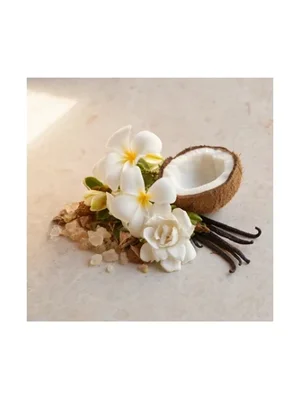 Solar Notes
9% share of the perfume
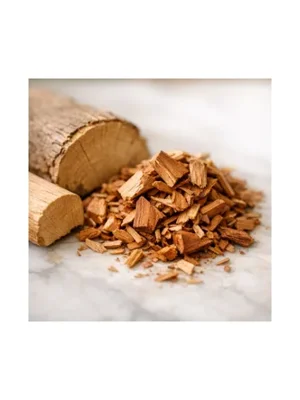 Sandalwood
9% share of the perfume
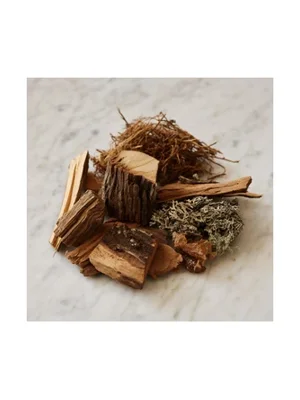 Woody Notes
9% share of the perfume
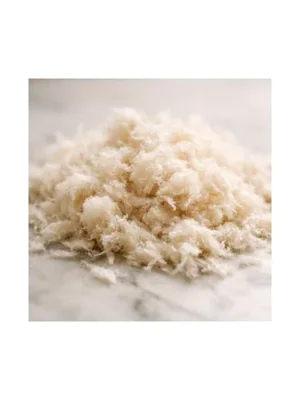 Musk
8% share of the perfume
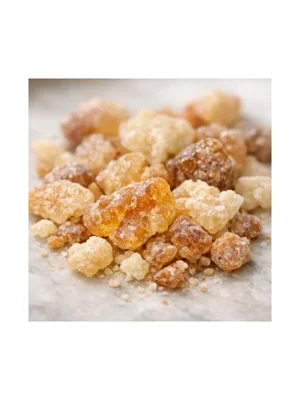 Benzoin
6% share of the perfume
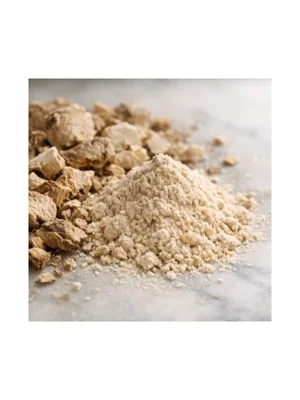 Iris
6% share of the perfume
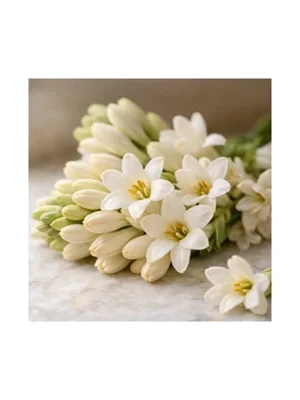 Tuberose
16%
vs
14%
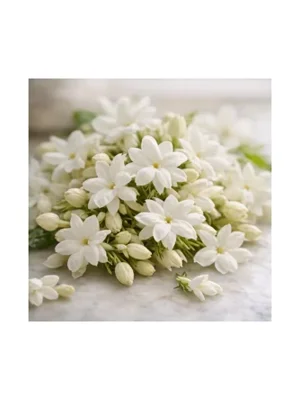 Jasmine
14%
vs
17%
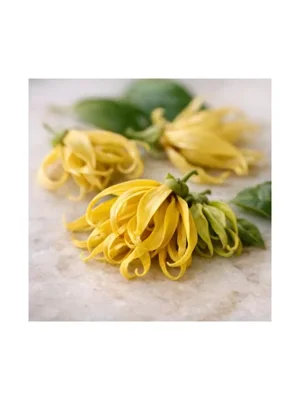 Ylang-Ylang
11%
vs
12%
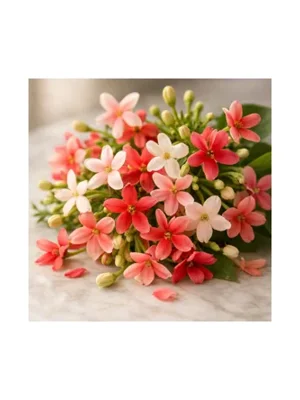 Rangoon Creeper
9%
vs
13%
Sandalwood
9%
vs
8%
Musk
8%
vs
10%
Benzoin
6%
vs
11%
Iris
5%
vs
9%
Solar Notes
9% share of the perfume
Woody Notes
9% share of the perfume
Tuberose
16%
vs
14%
Ylang-Ylang
11%
vs
12%
Jasmine
14% share of the perfume
Sandalwood
9%
vs
8%
Musk
8%
vs
10%
Benzoin
6%
vs
11%
Iris
5%
vs
9%
Solar Notes
9% share of the perfume
Woody Notes
9% share of the perfume
Note weights are our estimate from each note's place in the pyramid, not the share of the formula. Brands do not publish formulations.
Performance
Season and Occasion Fit
Seasons
The lush white florals and creamy undertone make this ideal for spring and early summer, when blossoms are in the air. Its warmth and richness also carry nicely into mild autumn days, but it may feel too heady for winter or extreme heat.
Occasions
With its assertive floral presence and creamy sweetness, this is a romantic, statement scent best for dates or formal occasions. Its projection makes it less subtle for the office or sporty settings.
Seasons
Heavy white florals feel richest in winter, though they work across the year with a light hand.
Occasions
A strong floral character and a big trail make it best for formal events and evening dates, where it can make a statement. It is too intense for the office or sport.
Similarity Breakdown
Our estimate of how alike these two fragrances smell, calculated from their published notes. It is a position on our scale, not a measured percentage of shared smell.
Every one of its 8 notes is in the original, including Jasmine, Rangoon Creeper, Tuberose
Without solar notes and woody notes
Where to buy
Pick a size. The two cheapest offers, then the rest.





Prices before sales tax, which the shop adds at checkout.
ScentVerdict earns a commission from purchases - this doesn't affect our verdicts.