

Is Khadlaj Perfumes Island a dupe of Jean Paul Gaultier Le Beau Le Parfum?






 Le Beau Le Parfum EDP
| EDP | Concentration | Extrait |
| M | Gender | M |
| 2022 | Year | 2024 |
| $$ | Price Tier | $ |
 Island Extrait
While both aim for a tropical gourmand profile, Le Beau Le Parfum offers a smoother, more refined experience, justifying its higher price. Island, on the other hand, presents a bolder, more synthetic take, potentially polarizing. The key difference lies in the quality of ingredients and blending. Le Beau prioritizes balance and sophistication, while Island leans into intense sweetness and projection. If you seek a polished, crowd-pleasing scent with depth, go for Le Beau. For a budget-friendly alternative with a louder presence, Island might suffice after some maceration.
 →
Where they differ
Biggest gaps first. The bolder side leads.
ScentArt
How it unfolds
Notes
- Le Beau Le Parfum
- Island
- in both
Tap a note to light it in both. A+B means both have it


Which Should You Buy?
- You want a smoother, more refined tropical fragrance.
- You appreciate higher-quality ingredients and expert blending.
- You prefer a balanced scent that avoids excessive sweetness.
- You want a guaranteed crowd-pleaser with mass appeal.
- You're on a budget and want a similar vibe for less.
- You enjoy bold, projecting fragrances that make a statement.
- You like experimenting with maceration to improve performance.
- You don't mind a more synthetic edge to your fragrances.
A decadent, crowd-pleasing tropical gourmand that balances creamy coconut and juicy pineapple with a seductive sweet warmth. Flirty and inviting, it leaves a bold, irresistible trail.
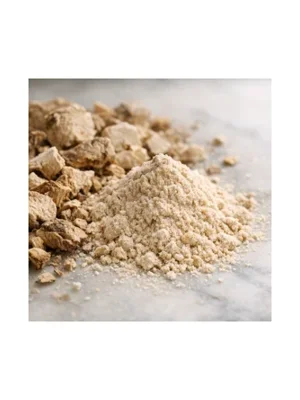
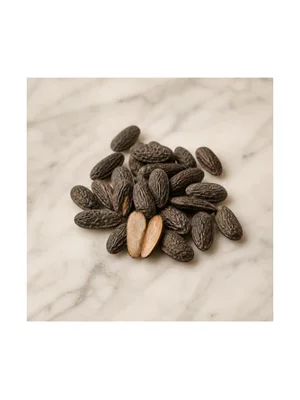
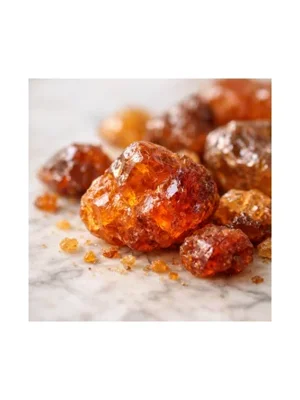
Pineapple, ginger and iris open tropical, coconut and woody notes carry the heart, and tonka, sandalwood, amber and ambergris round it off. A summer scent in the style of Jean Paul Gaultier's Le Beau Le Parfum.
Scent Profile
How They Wear
Mood
Notes
Top Notes
Heart Notes
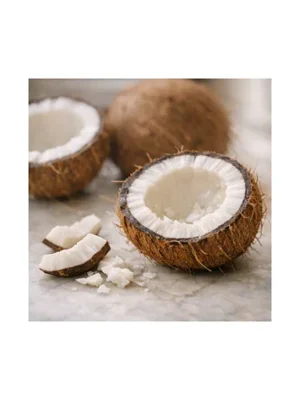 Coconut
18% share of the perfume
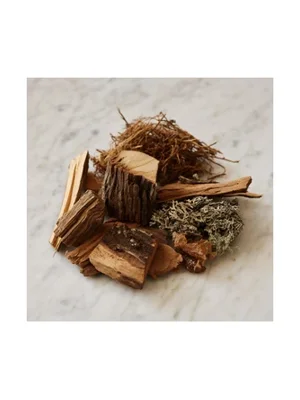 Woody Notes
12% share of the perfume
Heart Notes
Coconut
20% share of the perfume
Woody Notes
11% share of the perfume
Coconut
17%
vs
20%
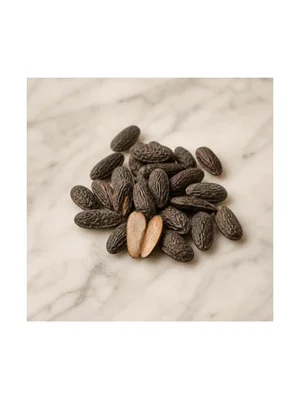 Tonka Bean
12%
vs
10%
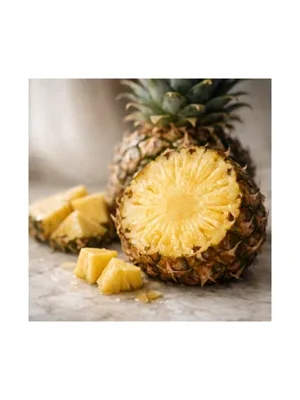 Pineapple
12%
vs
13%
Woody Notes
12%
vs
10%
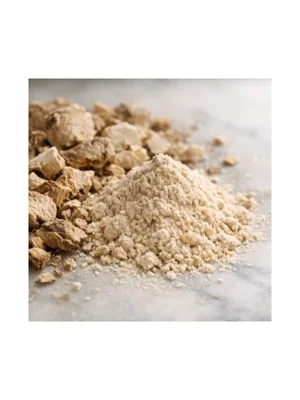 Iris
10%
vs
10%
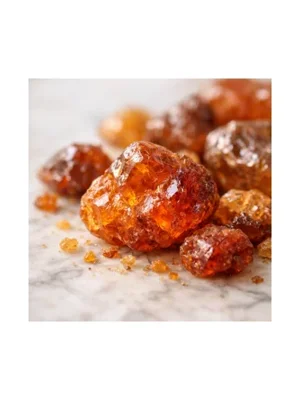 Amber
10%
vs
8%
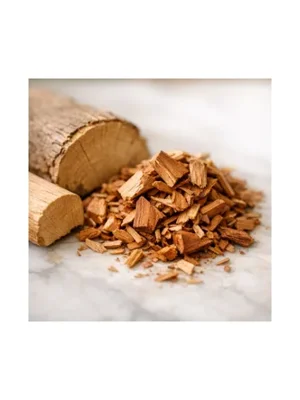 Sandalwood
9%
vs
7%
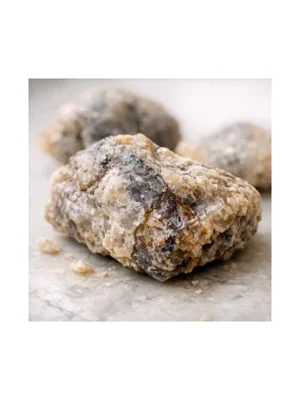 Ambergris
5%
vs
4%
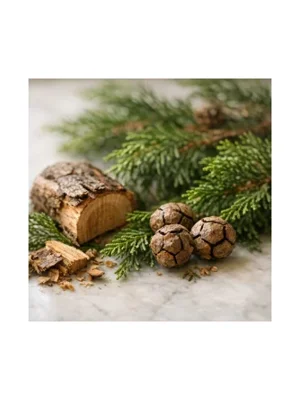 Cypress
5%
vs
4%
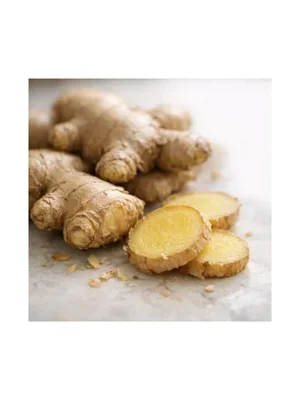 Ginger
4%
vs
9%
Note weights are our estimate from each note's place in the pyramid, not the share of the formula. Brands do not publish formulations.
Performance
Season and Occasion Fit
Seasons
The creamy coconut, sweet tonka, and vanilla make this a versatile scent for cooler nights and transitional seasons, while the fruity pineapple and bergamot keep it lively enough for spring and moderate summer evenings. It may be too sweet for hot, humid days.
Occasions
Its bold, sweet, and sensual presence shines on dates and nights out, but it can overwhelm in close, formal, or athletic environments. Casual and evening wear benefit most from its fun, inviting trail.
Seasons
A warm-weather pick - at its best in summer and spring.
Occasions
This shines brightest in casual, warm-weather settings like beach days or relaxed outings due to its sweet, tropical accords. While some find it suitable for dates, its potential sweetness and moderate to strong projection can make it less ideal for formal events or enclosed office spaces.
Similarity Breakdown
Our estimate of how alike these two fragrances smell, calculated from their published notes. It is a position on our scale, not a measured percentage of shared smell.
Every one of its 10 notes is in the original, including Coconut, Woody Notes, Cypress
Near-identical note list, differs in proportion
Where to buy
Pick a size. The two cheapest offers, then the rest.







Prices before sales tax, which the shop adds at checkout.
ScentVerdict earns a commission from purchases - this doesn't affect our verdicts.