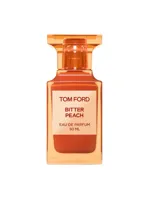

Is Lattafa Sutoor a dupe of Tom Ford Bitter Peach?

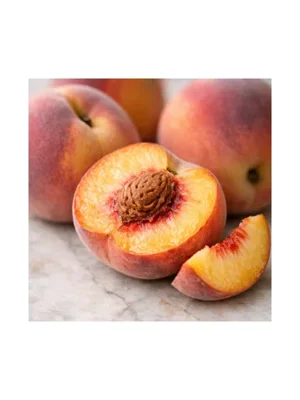


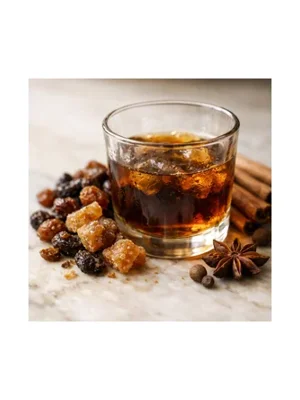


 Bitter Peach EDP
| EDP | Concentration | EDP |
| U | Gender | F |
| 2020 | Year | 2022 |
| $$ | Price Tier | $ |
 Sutoor EDP
While both Bitter Peach and Sutoor aim for a boozy peach profile, they diverge significantly in execution. Bitter Peach offers a smoother, more refined experience, blending its notes into a cohesive, luxurious whole. Sutoor, in contrast, presents a bolder, more synthetic interpretation of peach, with a divisive burnt rubber edge. Price is a major differentiator, with Sutoor being far more budget-friendly. Ultimately, Bitter Peach is the safer, more crowd-pleasing option, while Sutoor caters to those seeking a challenging, unconventional scent at a lower cost.
 →
Where they differ
Biggest gaps first. The bolder side leads.
ScentArt
How it unfolds
Notes
- Bitter Peach
- Sutoor
- in both
Tap a note to light it in both. A+B means both have it


Which Should You Buy?
- You want a refined and luxurious peach scent.
- You prefer smoother, well-blended fragrances.
- You appreciate the signature Tom Ford aesthetic.
- You want a safe blind-buy.
- Price is not a factor for you.
- You enjoy bold, unconventional scents.
- You want a challenging fragrance experience.
- You are on a budget.
- You like synthetic notes.
- You want a loud, projecting fragrance.
Ripe peach and blood orange meet cardamom and heliotrope, then turn boozy with rum and cognac over vanilla, tonka bean and patchouli.
Sutoor is a loud, boozy peach that divides opinion massively. Some find it a sophisticated, warming scent, while others recoil from what smells like synthetic fruit and burnt rubber. Definitely not a safe blind buy, as Lattafa's interpretation of peach isn't for everyone.
Scent Profile
How They Wear
Mood
Notes
Top Notes
Heart Notes
Base Notes
Base Notes
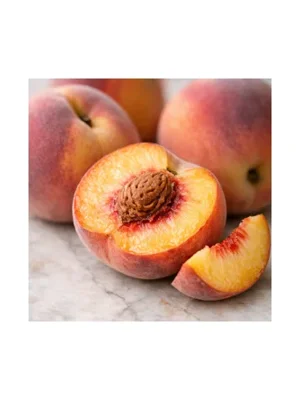 Peach
15%
vs
12%
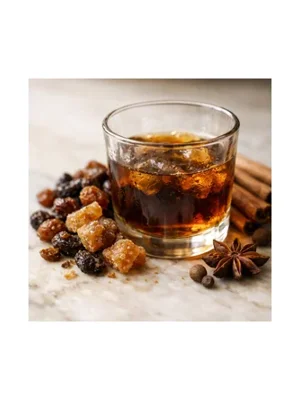 Rum
9%
vs
8%
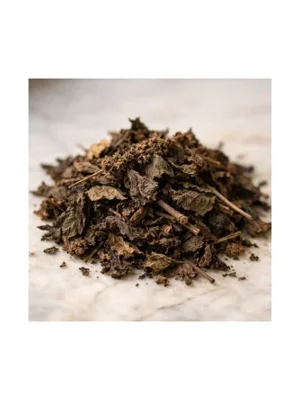 Patchouli
8%
vs
5%
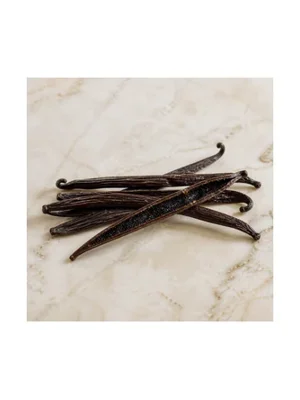 Vanilla
8%
vs
9%
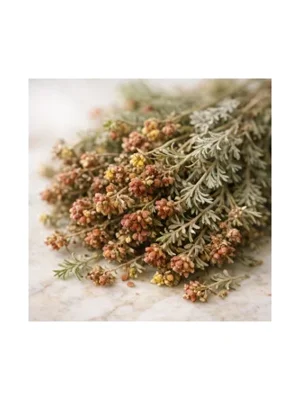 Davana
6%
vs
7%
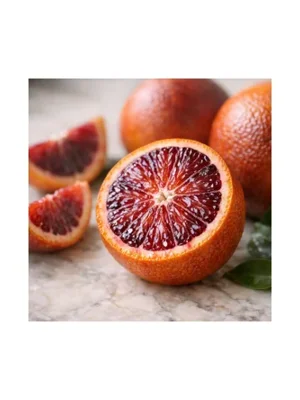 Blood Orange
6%
vs
4%
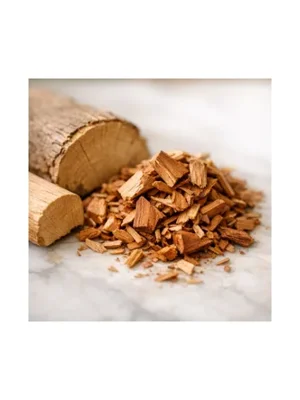 Sandalwood
5%
vs
6%
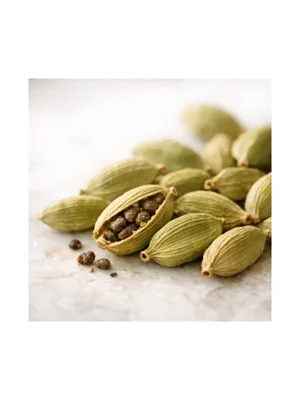 Cardamom
5%
vs
7%
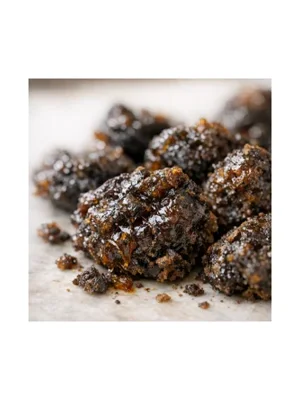 Labdanum
4%
vs
4%
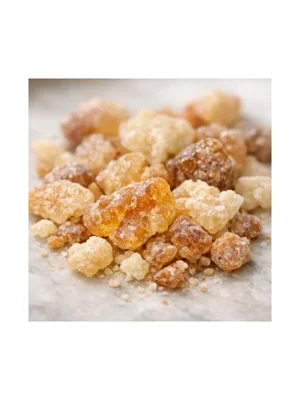 Benzoin
4%
vs
5%
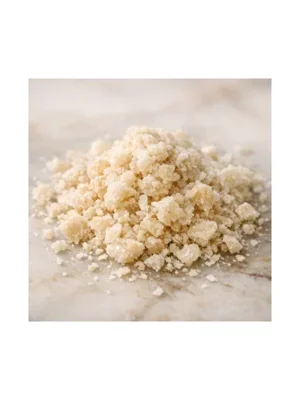 Cashmeran
3%
vs
1%
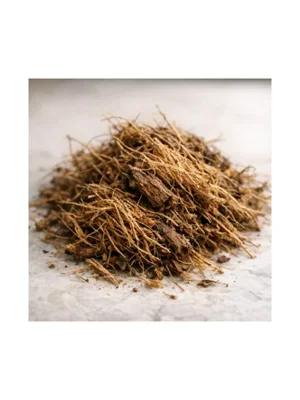 Vetiver
3%
vs
1%
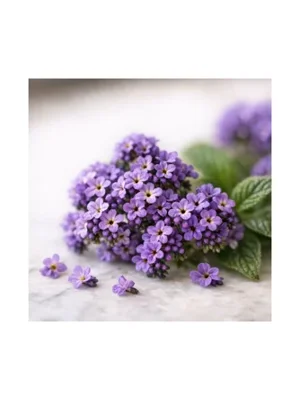 Heliotrope
3%
vs
3%
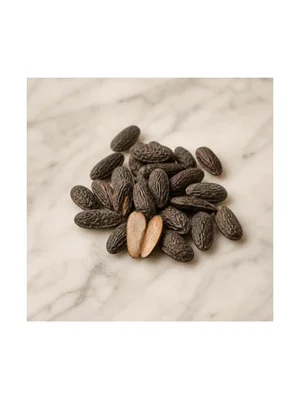 Tonka Bean
3%
vs
3%
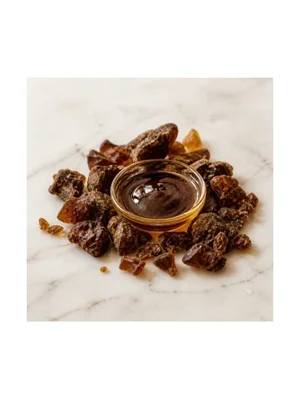 Styrax
1%
vs
2%
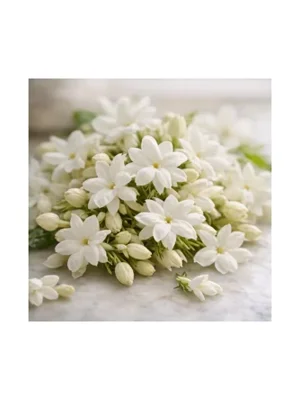 Jasmine
1%
vs
4%
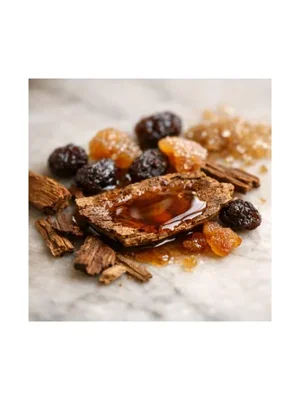 Cognac
7% share of the perfume
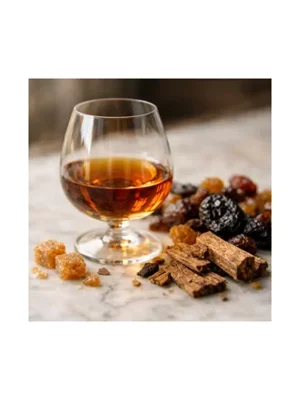 Brandy
9% share of the perfume
Rum
9%
vs
8%
Davana
6%
vs
7%
Jasmine
1%
vs
4%
Cognac
7% share of the perfume
Brandy
9% share of the perfume
Patchouli
8%
vs
5%
Vanilla
8%
vs
9%
Sandalwood
5%
vs
6%
Labdanum
4%
vs
4%
Benzoin
4%
vs
5%
Cashmeran
3%
vs
1%
Vetiver
3%
vs
1%
Tonka Bean
3%
vs
3%
Styrax
1%
vs
2%
Note weights are our estimate from each note's place in the pyramid, not the share of the formula. Brands do not publish formulations.
Performance
Season and Occasion Fit
Seasons
Fall is the clearest seasonal fit for the ripe fruit and boozy warmth. The bright peach and blood orange keep spring and summer strongly represented, while winter is the least aligned.
Occasions
The juicy fruit and rounded boozy heart align most with casual and date settings, with the smooth, resinous base also supporting formal occasions. The profile is lower for office and sport.
Seasons
A year-round scent - easy to wear in any season.
Occasions
Given its strong projection and impressive longevity, Sutoor is best reserved for evening wear or cooler weather. The boozy and amber accords lean away from a typical office or sportswear scent, making it more suitable for dates or special occasions where you want to make an impression.
Similarity Breakdown
Our estimate of how alike these two fragrances smell, calculated from their published notes. It is a position on our scale, not a measured percentage of shared smell.
Shares 16 of its 17 notes, including Heliotrope, Blood Orange, Davana
Adds brandy, drops cognac
Where to buy
Pick a size. The two cheapest offers, then the rest.





Prices before sales tax, which the shop adds at checkout.
ScentVerdict earns a commission from purchases - this doesn't affect our verdicts.