

City Of Stars Eau de Parfum vs California Dream Eau de Parfum





 City Of Stars EDP
| EDP | Concentration | EDP |
| U | Gender | U |
| 2022 | Year | 2020 |
| $$$$ | Price Tier | $$$$ |
 California Dream EDP
While both City of Stars and California Dream capture the essence of a sunny day with shared citrus and musk notes, they diverge in their overall execution. City of Stars leans into a sophisticated, powdery floral direction, evoking a distinct 'sunscreen vibe' that some find unique and evocative of a Californian sunset. California Dream, however, presents a cleaner, more straightforward citrus musk with a fruity twist. The key difference lies in their complexity and longevity; City of Stars offers a more layered experience, while California Dream's performance is often criticized. If you want depth and a unique twist, go for City of Stars. If you prefer a simple, clean scent, California Dream might appeal, but be mindful of its fleeting presence.

Where they differ
Biggest gaps first. The bolder side leads.
ScentArt
How it unfolds
Notes
- City Of Stars
- California Dream
- in both
Tap a note to light it in both. A+B means both have it


Which Should You Buy?
- You want a unique and memorable summer fragrance.
- You appreciate a sophisticated, powdery dry down.
- You enjoy fragrances with a sunscreen vibe.
- Longevity and projection are important to you.
- You prefer clean, simple citrus scents.
- You like fragrances with a fruity twist.
- You don't mind reapplying throughout the day.
- The price difference makes it more accessible.
- You want a less challenging and more mass-appealing scent.
A distinctive summer scent: sunny and beachy, with blood orange, lime and tiare flower finishing in a soft, sun-lotion warmth. Not complicated, and rather cheering on a hot afternoon.
This one's a divisive citrus musk; some love its refreshing, clean vibe and unique fruity twist, others find it shockingly basic and overpriced, especially given its iffy performance. It's a sunshine scent for sure, but don't expect it to last.
Scent Profile
How They Wear
Mood
Notes
Top Notes
Heart Notes
Heart Notes
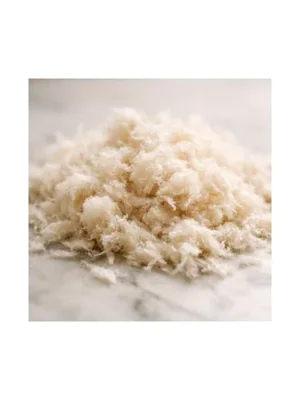 Musk
10%
vs
35%
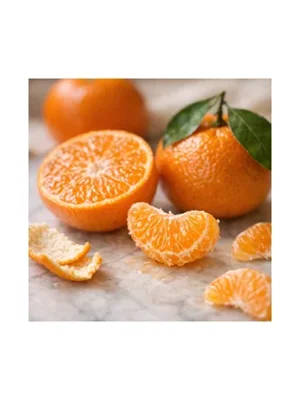 Mandarin
8%
vs
41%
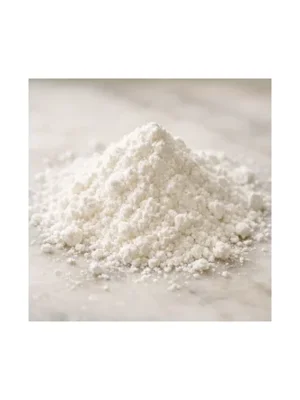 Powdery
14% share of the perfume
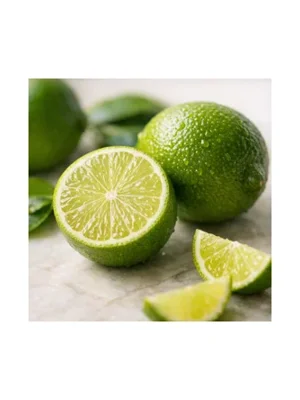
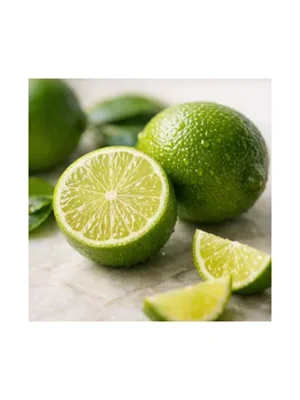 Lime
14% share of the perfume
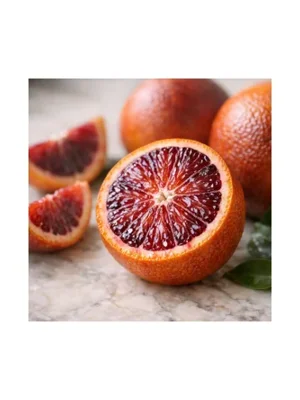 Blood Orange
14% share of the perfume
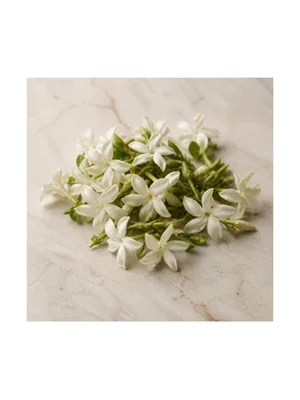 Tiare Flower
13% share of the perfume
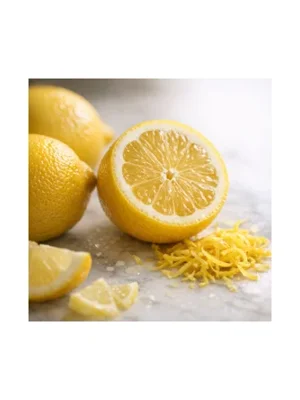
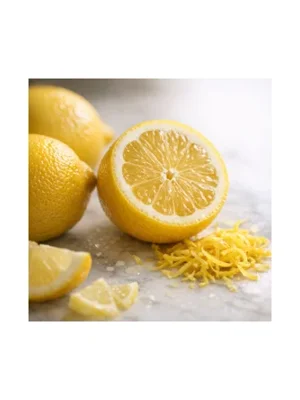 Lemon
12% share of the perfume
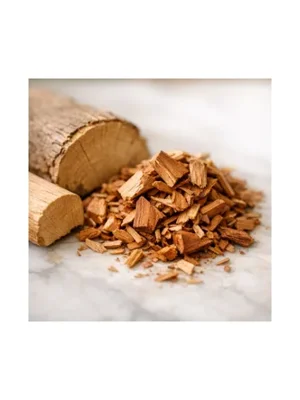 Sandalwood
9% share of the perfume
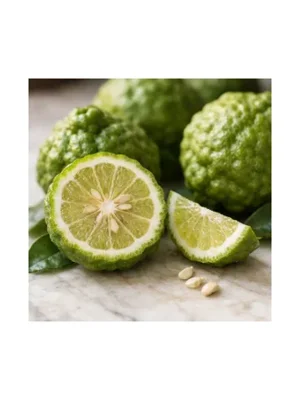 Bergamot
6% share of the perfume
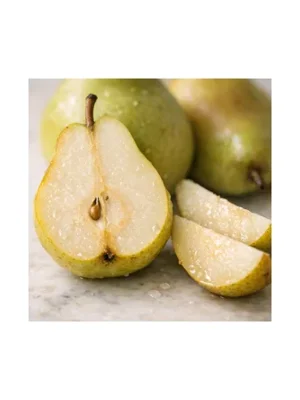
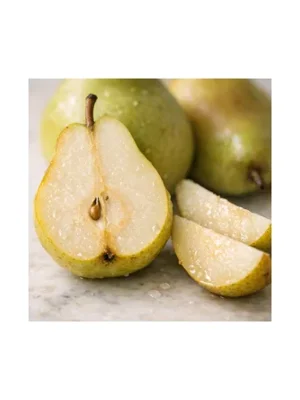 Pear
23% share of the perfume
Mandarin
8%
vs
41%
Lime
14% share of the perfume
Blood Orange
14% share of the perfume
Lemon
12% share of the perfume
Bergamot
6% share of the perfume
Pear
23% share of the perfume
Tiare Flower
13% share of the perfume
Note weights are our estimate from each note's place in the pyramid, not the share of the formula. Brands do not publish formulations.
Performance
Season and Occasion Fit
Seasons
Citrus and tiare flower are made for summer, with spring a good second. They fade in autumn and disappear in winter.
Occasions
Bright and sunny, it suits casual days, sport and holidays, and can work on dates. It is too playful for the office or formal events.
Seasons
A warm-weather pick - at its best in summer and spring.
Occasions
Its fresh, clean, and understated profile makes it a good fit for casual and sport settings, thriving in warmer weather. While wearable for a date, its limited longevity and projection, coupled with its casual vibe, make it less ideal for formal events or a demanding office environment.
Similarity Breakdown
Our estimate of how alike these two fragrances smell, calculated from their published notes. It is a position on our scale, not a measured percentage of shared smell.
Shares 2 of its 3 notes, including Musk, Mandarin
Adds pear, drops bergamot and blood orange
Where to buy
Pick a size. The two cheapest offers, then the rest.

Prices before sales tax, which the shop adds at checkout.
ScentVerdict earns a commission from purchases - this doesn't affect our verdicts.