

Is Zimaya Hawwa Pink a dupe of Parfums de Marly Delina?










 Delina EDP
| EDP | Concentration | EDP |
| F | Gender | F |
| 2017 | Year | 2024 |
| $$$$ | Price Tier | $ |
 Hawwa Pink EDP
While both Delina and Hawwa Pink explore a fruity-floral rose profile, they diverge significantly in price and execution. Delina offers a refined, luxurious experience with its balanced blend and impressive longevity, justifying its higher price tag. Hawwa Pink, on the other hand, aims for a similar vibe at a fraction of the cost, but its synthetic edge and polarizing reception make it a riskier blind buy. Ultimately, the choice hinges on your budget and tolerance for potential sharpness.

Where they differ
Biggest gaps first. The bolder side leads.
ScentArt
How it unfolds
Notes
- Delina
- Hawwa Pink
- in both
Tap a note to light it in both. A+B means both have it


Which Should You Buy?
- You want a long-lasting, high-quality rose fragrance.
- You appreciate a refined, well-blended scent profile.
- You're willing to invest in a signature perfume.
- You want a safe blind-buy with mass appeal.
- You're seeking a budget-friendly alternative.
- You enjoy youthful, vibrant rose scents.
- You don't mind a synthetic edge.
- You're comfortable with a divisive fragrance.
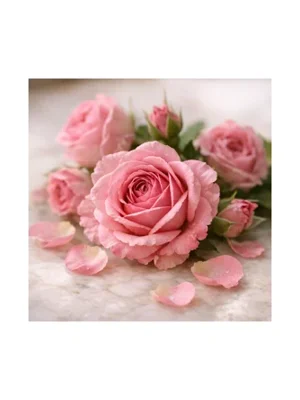
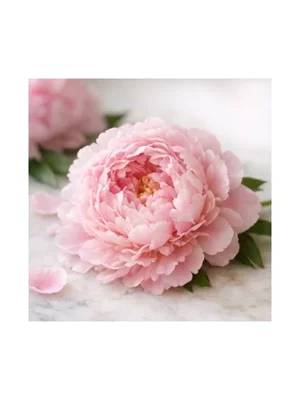
Fruity, romantic and long-lasting, it carries well without being heavy. Litchi and rhubarb sparkle on a plush, pink rose and peony, and musk, vanilla and a trace of caramel soften the end.
Hawwa Pink is a vibrant, fresh rose fragrance that's surprisingly divisive. Many love its youthful, flirty feel and often compare it favourably to pricier alternatives (with a mandatory 'macerate for a bit' disclaimer). Others find it sharp, synthetic, or just 'too much' - so consider yourself warned.
Scent Profile
How They Wear
Mood
Notes
Top Notes
Heart Notes
Base Notes
Base Notes
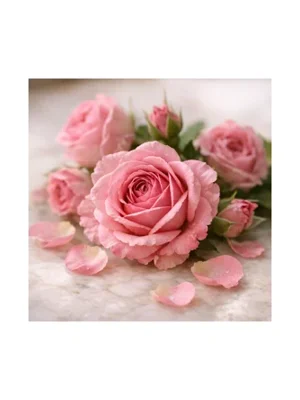 Rose
16%
vs
31%
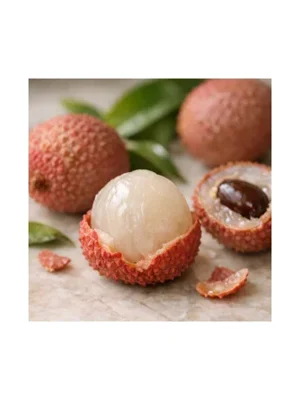 Litchi
12%
vs
11%
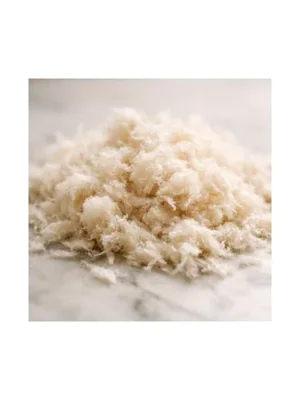 Musk
7%
vs
13%
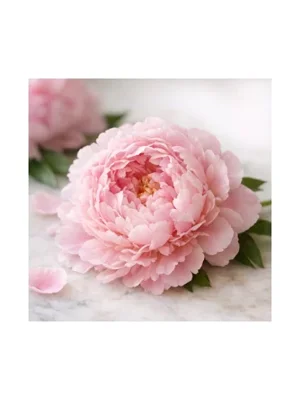 Peony
5%
vs
17%
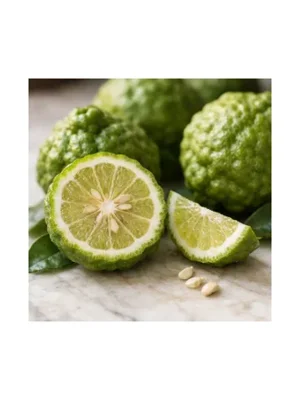 Bergamot
4%
vs
2%
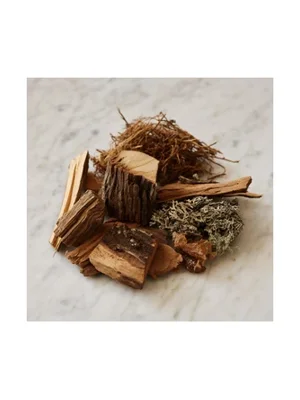
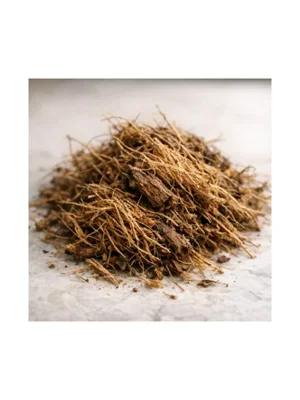 Vetiver
4%
vs
2%
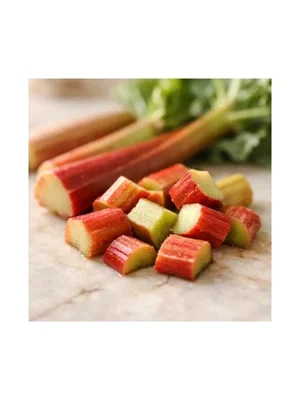 Rhubarb
11% share of the perfume
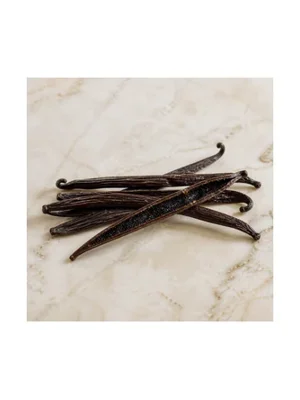 Vanilla
8% share of the perfume
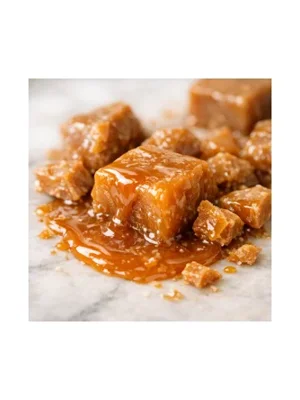 Caramel
7% share of the perfume
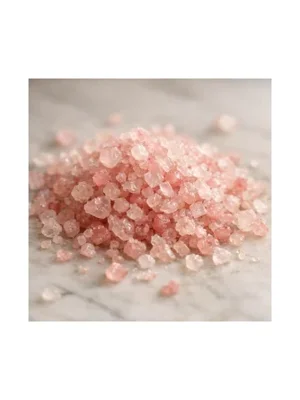 Petalia
6% share of the perfume
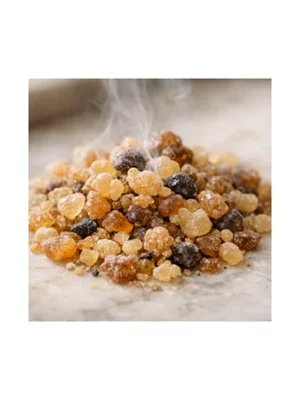 Incense
6% share of the perfume
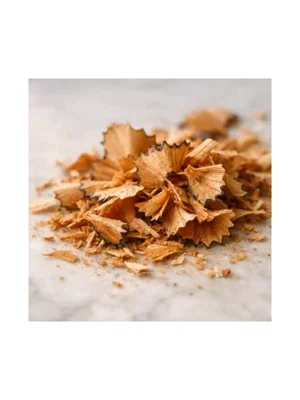 Cedar
5% share of the perfume
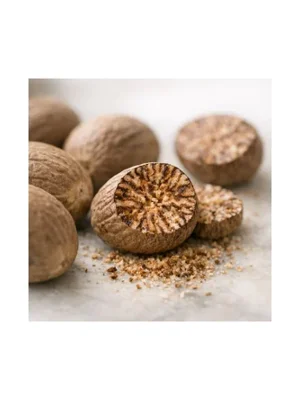 Nutmeg
4% share of the perfume
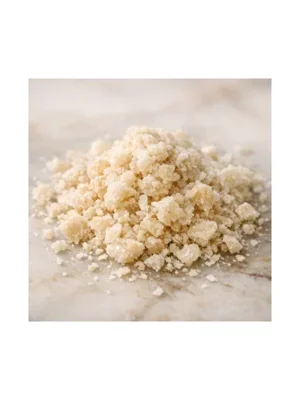 Cashmeran
2% share of the perfume
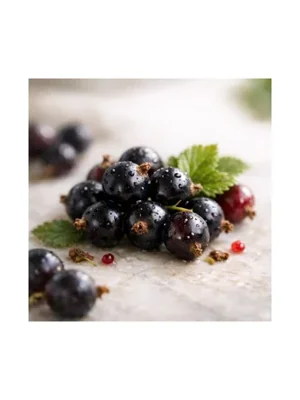 Blackcurrant
1% share of the perfume
Litchi
12%
vs
11%
Bergamot
4%
vs
2%
Rhubarb
11% share of the perfume
Nutmeg
4% share of the perfume
Blackcurrant
1% share of the perfume
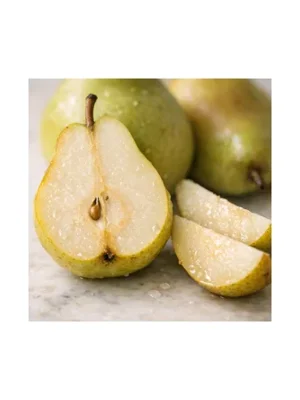
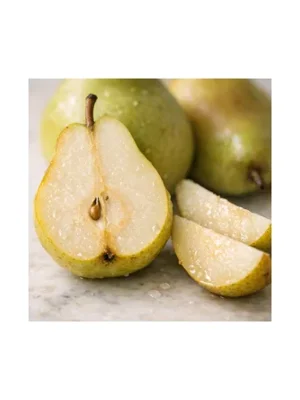 Pear
13% share of the perfume
Vetiver
4%
vs
2%
Note weights are our estimate from each note's place in the pyramid, not the share of the formula. Brands do not publish formulations.
Performance
Season and Occasion Fit
Seasons
Litchi, rhubarb and peony are fresh enough for spring and early summer, and the creamy rose carries it into autumn. Deep winter is its weakest.
Occasions
Made for dates and dressed-up evenings, with enough polish for formal events. Its strong carry can be a lot in a close office.
Seasons
A warm-weather pick - at its best in spring and summer.
Occasions
Its fresh, floral-fruity profile makes it excellent for casual wear or dates, especially in warmer weather where it feels clean and uplifting. While some find it too strong for the office, its moderate sillage and delicate nature for others mean it can work in professional settings with light application. It offers a playful charm rather than formal gravitas.
Similarity Breakdown
Our estimate of how alike these two fragrances smell, calculated from their published notes. It is a position on our scale, not a measured percentage of shared smell.
Shares 6 of its 8 notes, including Vetiver, Musk, Bergamot
Adds pear and woody notes, drops blackcurrant and caramel
Where to buy
Pick a size. The two cheapest offers, then the rest.








Prices before sales tax, which the shop adds at checkout.
ScentVerdict earns a commission from purchases - this doesn't affect our verdicts.