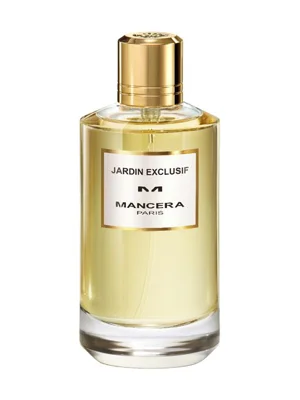
 Jardin Exclusif
| Edp | Concentration | Edp |
| U | Gender | U |
| 2018 | Year | 2022 |
| ££ | Price Tier | ££££ |
 God of Fire
ScentArt
Which Should You Buy?
This one sparks strong opinions. Some rave about its beast-mode fruity sweetness, others recoil from its synthetic harshness, likening it to cleaning products or even gasoline. It's a powerhouse, no doubt, but try before you buy - your nose will either love it or hate it.
God of Fire is a controversial tropical hit. Some rave about its juicy, authentic mango, while others find it too synthetic, cloying, or merely a high-end shampoo scent. It's a powerhouse for compliments, but divisive on whether it justifies the price.
Scent Profile
| Citrus | 8% | 9% |
| Floral | 24% | 13% |
| Fruity | 17% | 15% |
| Green | 6% | 4% |
| Sweet | 29% | 21% |
| Warm | 3% | 8% |
| Woody | 8% | 11% |
| Earthy | 2% | 1% |
| Animalic | 20% | 26% |
| Fresh | 16% | 16% |
Mood
Notes
Top Notes
Heart Notes
Heart Notes
Base Notes
Base Notes
Accords
Performance
Season and Occasion Fit
Seasons
Versatile across every season - no clear seasonal preference from wearers.
Occasions
Its nuclear projection and lasting power make it unsuitable for office wear, as many find it overwhelming. It shines for date nights and casual outings where its bold, sweet character can be appreciated without being intrusive.
Seasons
A warm-weather pick - at its best in summer and spring.
Occasions
With strong projection and impressive longevity, God of Fire is a bold choice. Its vibrant, tropical fruitiness makes it ideal for casual outings, dates, and even sport, but it might be too overwhelming for formal events or a conservative office environment where discretion is key.
Similarity Breakdown
Both share Fruity, Sweet, Citrus accords and Jasmine, Musk notes
Subtle differences in overall composition
Where to buy




ScentVerdict earns a commission from purchases - this doesn't affect our verdicts.