

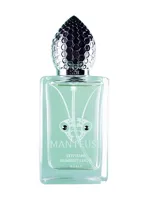
Manteuse
EDP · 2018
Stéphane Humbert Lucas 777
Statement
Note Profile
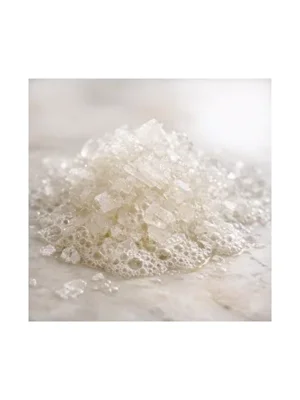
Aldehyde C-12, or dodecanal, is a fatty aldehyde with a strong, diffusive smell. It is soapy and waxy, with an orange-rind edge and a floral, violet-like side. At low doses it gives radiance and clean freshness in aldehydic compositions.
Aldehyde C-12 smells soapy and waxy, like clean laundry dried in the sun. An orange-rind note sits on top. It is heavier and fattier than the shorter aldehydes. A creamy, powdery floral side follows, and in high dilution it turns violet-like. It is strong and lasts for days on a strip.
Read off the wheel, not a label applied to the note.
Tap a perfume to see where Aldehyde C-12 sits in it. The rest of the picture goes grey
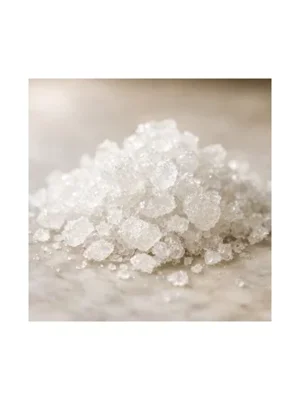
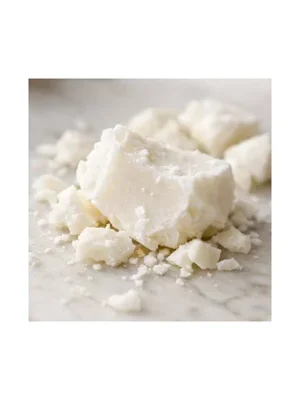
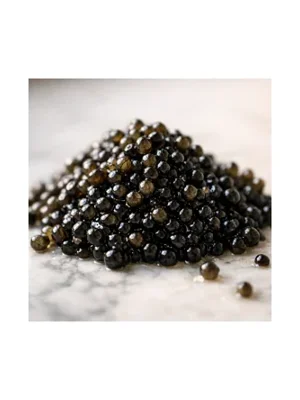
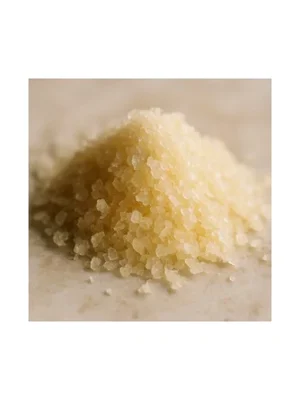
Perfumers can use this material directly to make Aldehyde C-12.
Smell words come from published sources.
A given perfume with this note may use this material, or something else.
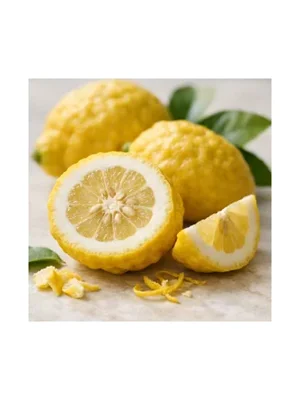
Aldehyde C-12 is dodecanal (C12H24O, CAS 112-54-9), also called C-12 lauric, a straight-chain aliphatic aldehyde. Most commercial material is made from dodecanol by dehydrogenation, and a natural grade is also sold. It occurs in small amounts in citrus peel oils such as orange, bergamot and mandarin. It is not the same as C-12 MNA (2-methylundecanal, CAS 110-41-8).
Perfumers use Aldehyde C-12 at low doses, about 0.25% of a perfume compound on average. It gives brilliance and diffusion in aldehydic florals, colognes, chypres, pine and violet accords, and it adds lift to citrus. It is part of the aldehyde effect of Chanel No. 5. It is also used for clean laundry effects, because it clings well to fabric.
A selection of reviewed perfumes where Aldehyde C-12 appears prominently.
New finds, honest verdicts, and price drops.
No spam. Unsubscribe anytime. See our privacy policy.