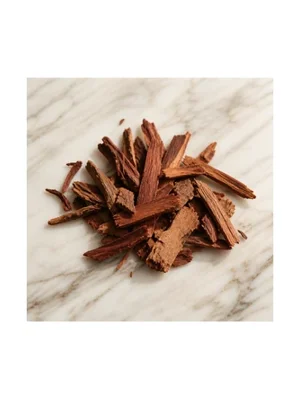
Amaranth Wood
Note Profile
About
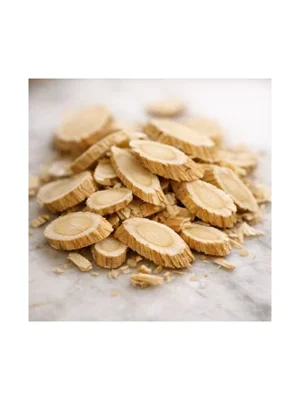
Amaranth wood is purpleheart, Peltogyne, and it is a quiet wood. The only description of it reads as a mild, clean timber smell with a nutty edge, faintly sweet and a little grassy when freshly cut, and it says outright that the smell is weak next to more aromatic woods. A technical wood reference disagrees and says most Peltogyne species have no characteristic odour at all. I have scored the mild wood and kept the numbers low and the spreads wide, because the two sources do not agree and neither describes an extracted perfumery material.
Scent Profile
Dry_woody leads and is capped below the usual wood level because both sources agree the smell is faint: one calls it mild and non-intrusive, the other says most species have no characteristic odour. Nutty is the 'hints of nuttiness' reported for the worked and processed wood. Green is the 'faintly sweet, grassy aroma' of the fresh-cut timber, which is a different state of the material from the worked wood and may not both be present at once. Under the line, sweet_vanillic is the 'faintly sweet' half of that same phrase, creamy_woody is the clean and smooth quality the source contrasts against sharper woods, earthy is the tropical hardwood floor, and powdery is a small allowance for a soft dry wood that no source states.
ScentWheel
Read off the wheel, not a label applied to the note.
Origin
Peltogyne, a genus of about 23 tropical hardwoods from Central and South America, traded as purpleheart, amaranth, amarante and violet wood. Every one of those names is about the colour of the wood, not about botany. It is not related to Amaranthus, the plant behind this repo's published 'amaranth' note - Peltogyne is in Fabaceae and Amaranthus is in Amaranthaceae, and they share an English common name and nothing else. The Wood Database states that most Peltogyne species have no characteristic odour, with some reported as pungent. No supplier sells a distilled or extracted purpleheart material, so it is unclear whether the perfumery note is a real extract or a conceptual wood built to gesture at the timber.
Usage in Perfumery
7 Parfumo placements across 6 brands, none on Fragrantica. No source records where in the pyramid it sits. It behaves like the repo's other quiet wood bases, used where cedar or sandalwood would be too loud, and the name most likely does as much work as the smell.
Similar Notes
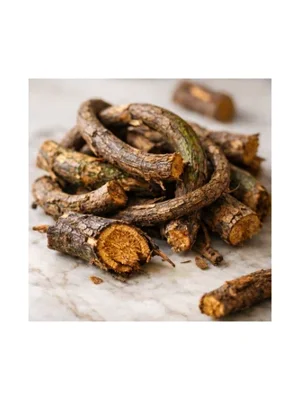
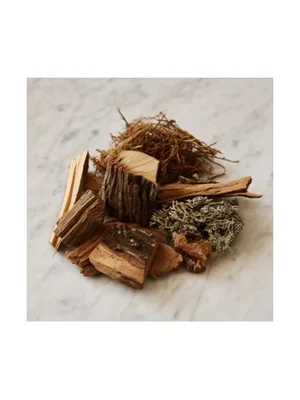
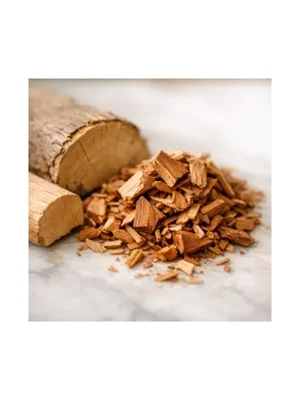
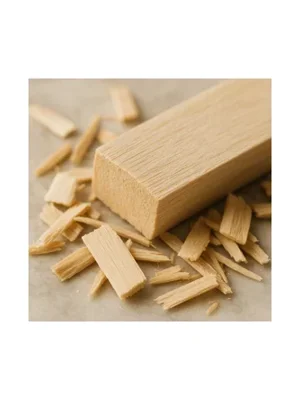
Perfumes featuring Amaranth Wood
A selection of reviewed perfumes where Amaranth Wood appears prominently.
No perfumes featuring this note have been reviewed yet. Check back soon.