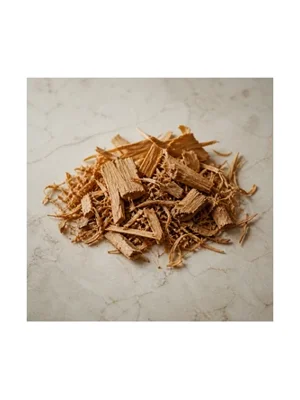
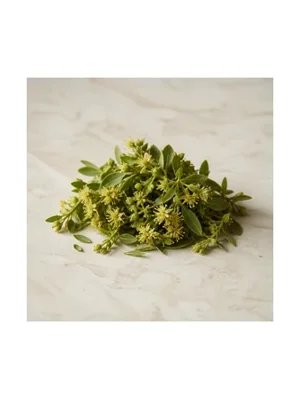
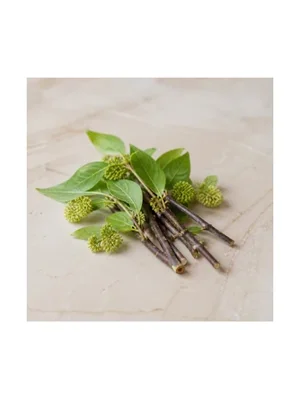
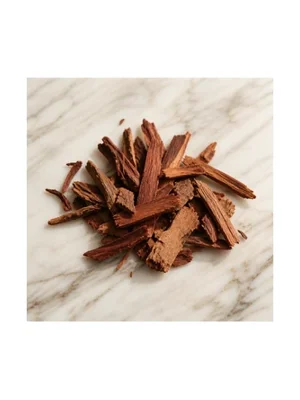

Bvlgari Omnia Crystalline
Oil
Oil Perfumery
Favourite
Note Profile
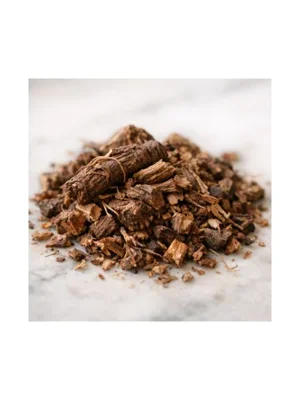
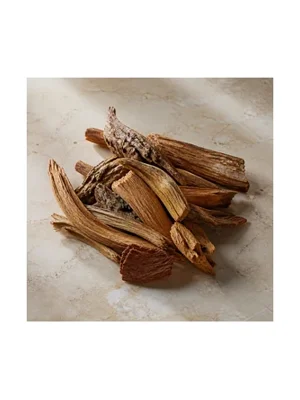
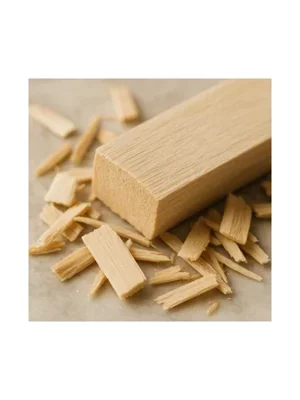
Balsa wood is a pale, soft woody note named after the timber of Ochroma pyramidale. The wood itself has almost no smell, so the note is an accord built from other materials. It gives a quiet, clean, airy wood impression that does not dominate.
Balsa wood smells mild, clean and woody. It is pale and dry, with a soft warmth. It lacks the sharp pencil-shaving edge of cedar and the resinous edge of pine. Its intensity is low, so it reads as an airy wood texture more than a note you can name. It carries a soft, dusty powder and a light sweetness, like pale vanilla, around the dry wood.
Read off the wheel, not a label applied to the note.
Tap a perfume to see where Balsa Wood sits in it. The rest of the picture goes grey
Balsa Wood is usually built as an accord, a blend of several materials, rather than made from one.
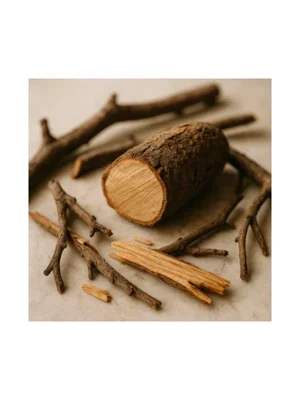
Balsa wood comes from Ochroma pyramidale, a fast-growing tree of tropical Central and South America. It is the lightest commercial timber, at about 150 kg/m³, and is used for model building and lightweight structures. The wood has no characteristic odour, and no oil or extract of it is sold. In perfumery the name stands for an accord. Bvlgari lists a 'balsa wood accord' in Omnia Crystalline (2005).
Perfumers use balsa wood in the base. Bvlgari puts it in the dry-down of Omnia Crystalline (2005) with crystal musk, and in the base of Bvlgari Man Extreme (2013) with vetiver and benzoin. It suits light, transparent compositions that need a soft wood frame. It sits well with soft musks, light florals and gentle ambers.
A selection of reviewed perfumes where Balsa Wood appears prominently.
New finds, honest verdicts, and price drops.
No spam. Unsubscribe anytime. See our privacy policy.