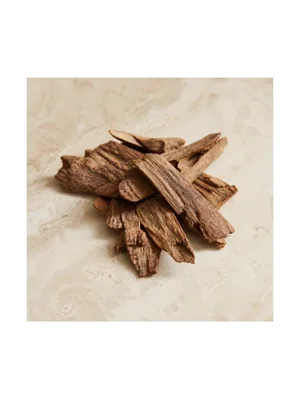
Amburana Bark
Note Profile
About
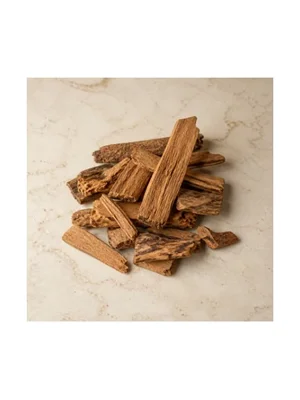
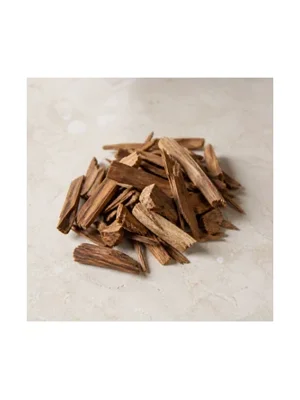
Amburana bark is the bark of Amburana cearensis, a tree of the Brazilian caatinga. It is rich in coumarin, so it smells of sweet hay and warm wood at once. The one trade source found puts it next to tonka bean and then pulls it away: drier, more wooden, less creamy and buttery. Its own phrase is 'like tonka bean grew on a tree trunk'.
Scent Profile
Sweet_vanillic leads because the source calls the warmth 'coumarin-dominant' and says the bark reads 'sweeter than tonka bean'. Tonka itself is the reference point for coumarin sweetness in this vocabulary, and this note is placed above it on that axis by name. Dry_woody is the 'woody depth' and the 'more bark character' the same source contrasts against tonka, and it is what the phrase 'grew on a tree trunk' is doing. Tobacco_hay comes from 'hay-sweet warmth with woody authenticity'. Coumarin's hay facet is stated here, not inferred. Below the line, nutty is held low: coumarin materials usually read almond, but this entry never says almond, and the wood entry for the same tree does. Warm_spice and amber_resinous come from the material being offered as a tonka replacement in amber work, not from any stated spice or resin term, so both stay small. Powdery, creamy_woody and lactonic are all pushed down by one explicit comparative claim, 'less creamy-buttery' than tonka. That is a stated reduction, not an absence invented here.
ScentWheel
Read off the wheel, not a label applied to the note.
Origin
Bark of Amburana cearensis, native to northern, eastern and west-central Brazil, north-western Argentina, Bolivia and Paraguay. The Portuguese common names include cumaru and cumaru de cheiro, which are also names for Dipteryx odorata, the true tonka-bean tree. The two are different species and the shared name causes routine confusion. This vocabulary already points the alias 'Cumaru' at tonka, and that alias is correct for Dipteryx and does not cover this tree.
Usage in Perfumery
A base note. The trade source offers it as an alternative to tonka bean in amber structures, where it gives the same coumarin sweetness with a drier, woodier body. It is attested in 3 Fragrantica listings and none on Parfumo, so use is thin.
Similar Notes
Perfumes featuring Amburana Bark
A selection of reviewed perfumes where Amburana Bark appears prominently.
No perfumes featuring this note have been reviewed yet. Check back soon.