Ginseng names no single substance
ReconstructedPanax ginseng is not extracted for perfumery.
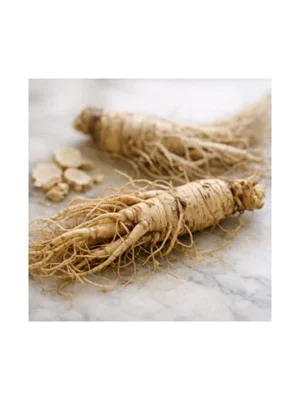
Note Profile
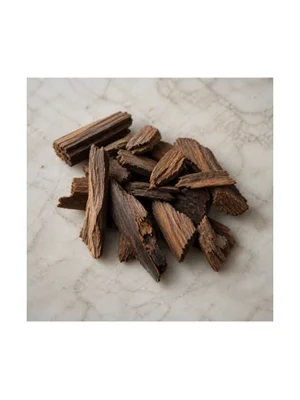
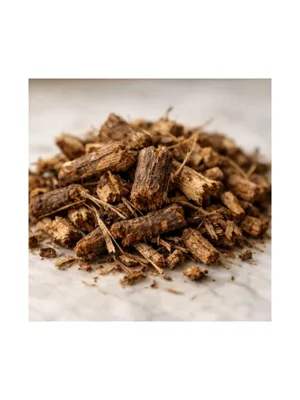
Ginseng is the root of Panax species, grown mainly in East Asia and North America. The dried roots are extracted by solvent or CO2. It smells earthy and slightly bitter, with a musty forest-floor depth and a medicinal edge like an apothecary cabinet. Distant pepper warmth and dry wood follow. It dries to a faint sweetness and a clean dryness.
Ginseng has an earthy, slightly bitter aroma with a musty forest-floor depth and a subtle rooty undertone. A medicinal quality runs through it. The impression is of a medicine cabinet in a Korean apothecary, and the note is reconstructed with a trace of methyl salicylate for exactly that. It also displays a distant pepper warmth and dry woody nuances from the sesquiterpenes that dominate its volatile fraction. The note evolves to reveal a faint sweetness, a mild warmth and a lingering, clean dryness.
Read off the wheel, not a label applied to the note.
Panax ginseng is not extracted for perfumery.
Ginseng is derived from the roots of Panax species, primarily cultivated in East Asia and North America. The roots are typically dried and then extracted using methods such as solvent extraction or CO2 extraction to obtain the aromatic components for perfumery.
Perfumers use ginseng mainly in the heart or base of herbal, fougère, and woody compositions to impart complexity and a naturalistic, earthy depth. It blends well with green notes, spices, woods, and certain florals, supporting both masculine and unisex fragrances.
A selection of reviewed perfumes where Ginseng appears prominently.

EDT · 2010
Jean Paul Gaultier
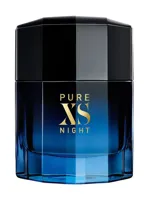
EDP · 2019
Rabanne
EDP
Perfume Parlour
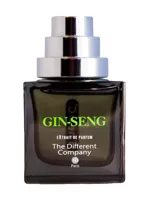
EDT · 2026
The Different Company
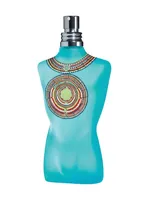
EDC · 2008
Jean Paul Gaultier
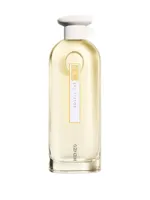
EDP · 2022
Kenzo
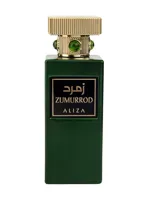
EDP · 2024
Rasasi
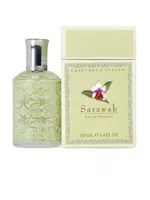
EDT · 2004
Crabtree & Evelyn

EDC · 2004
Jean Paul Gaultier
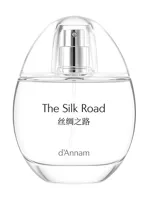
EDP · 2025
d'Annam
New finds, honest verdicts, and price drops.
No spam. Unsubscribe anytime. See our privacy policy.