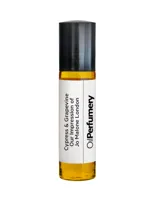
Jo Malone London Cypress & Grapevine
Oil
Oil Perfumery
Favourite
Note Profile
Vine
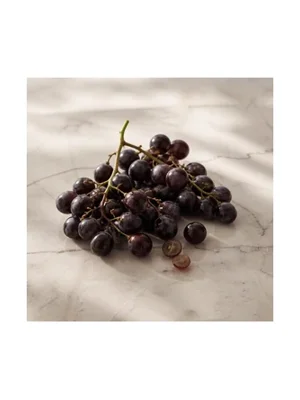
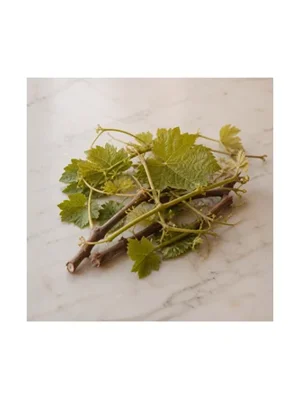
Grapevine is a green, sappy note for the shoots, tendrils and leaves of the grapevine, not the fruit. It reads sharp, tart and vegetal, and dries to a woody-green. In Jo Malone London's Cypress & Grapevine, the grapevine heart is an accord of cedarwood and vetiver with amber and a juicy grape note.
Grapevine smells sharp, sappy and green, like crushed vine tendrils in spring. A tart, slightly sour and bitter edge runs through it. A bell-pepper green, almost metallic in its sharpness, reads as vine rather than cut grass. On skin it dries to a quiet woody-green, like dried vine cuttings left in the sun. In woody perfumes it sits closer to cedar and vetiver, with a faint juicy grape note. It carries a faint stony, mineral edge, like cool stone, under the green.
Read off the wheel, not a label applied to the note.
Tap a perfume to see where Grapevine sits in it. The rest of the picture goes grey
Grapevine is usually built as an accord, a blend of several materials, rather than made from one.
Grapevine is a composed accord, not an oil distilled from Vitis vinifera. Première Peau says no standard grapevine essential oil exists. It says the note is rebuilt from cis-3-hexenyl acetate, cis-3-hexenol, trace methoxypyrazines and green-woody materials. It also says some houses use a vine leaf absolute. No supplier of such an absolute was found on 2026-10-10.
Perfumers use grapevine for a cultivated, agricultural green: vineyard rather than forest. Première Peau pairs it with fig leaf, grape and Mediterranean herbs. Jo Malone London uses it as the heart of Cypress & Grapevine (2020), between a cypress top and an amber base.
A selection of reviewed perfumes where Grapevine appears prominently.
Oil
Oil Perfumery

EDP
Jo Malone London
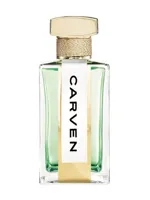
EDP · 2017
Carven
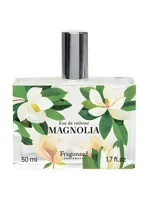
EDT · 2020
Fragonard

Extrait
Oakcha
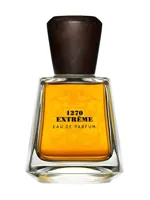
EDP · 2022
Frapin
EDP · 2017
Jennifer Aniston
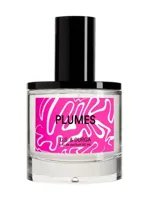
EDP · 2023
D.S. & Durga

EDP · 2021
Tokyo Milk Parfumerie Curiosite
New finds, honest verdicts, and price drops.
No spam. Unsubscribe anytime. See our privacy policy.