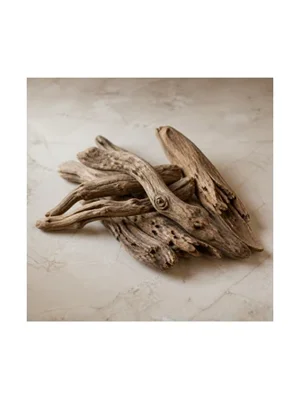
Italian Olive Tree Wood
Note Profile
About
The wood of the olive tree, Olea europaea, read as Italian timber. It is the trunk and branch, not the leaf and not the fruit. No house extracts an olive-wood oil, so the perfumery note is a built accord.
Scent Profile
Italian Olive Tree Wood is dry, hard and angular, a built accord rather than a real extract. A chalky, mineral dryness runs through it, like dust off a Mediterranean hillside. One description gives a gentle, creamy warmth close to soft cedar underneath, while another says the wood is dry, not creamy. There is a gnarled, earthy edge to the trunk, with a faint oily trace of the fruit behind it all.
ScentWheel
Read off the wheel, not a label applied to the note.
ScentArt
Origin
Italy, within the Mediterranean olive belt. One community source contrasts Tuscan wood, grown high on limestone, as drier and more austere than Puglian material grown in red clay. The same source records that over 95 per cent of the world's olive trees grow in Mediterranean countries, with Italy among the four largest producers. There is no olive-wood essential oil or absolute on sale anywhere that was found.
Usage in Perfumery
A base structure rather than a lead. Perfumers build it from dry cedar and vetiver materials with a mineral, dusty facet, and use it to hold a Mediterranean composition together under olive leaf, fig, citrus and salt. Pairfum calls it subtle and steady and says it is there to add structure.
Similar Notes

Perfumes featuring Italian Olive Tree Wood
A selection of reviewed perfumes where Italian Olive Tree Wood appears prominently.
No perfumes featuring this note have been reviewed yet. Check back soon.