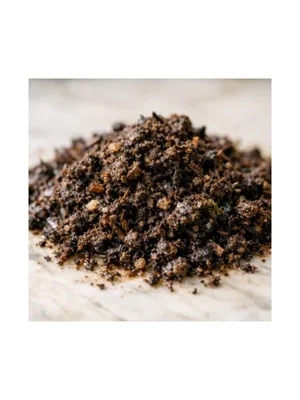
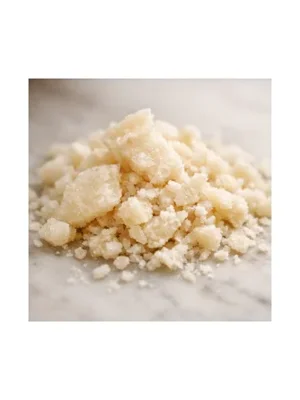
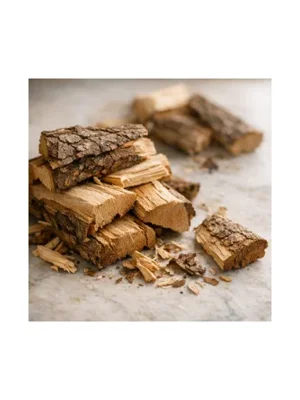
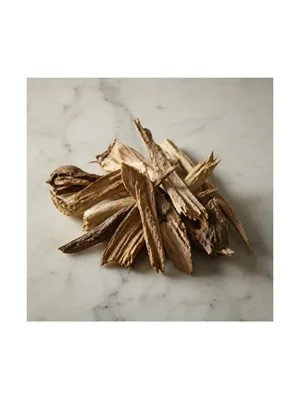
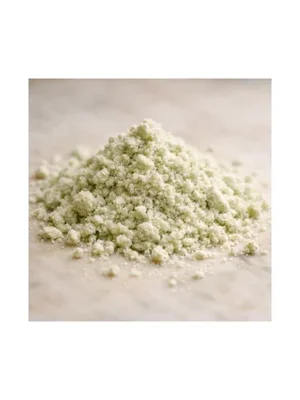
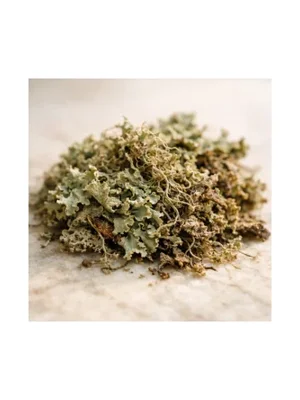
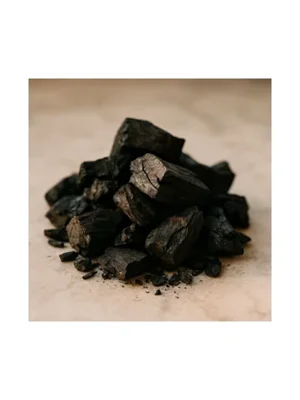
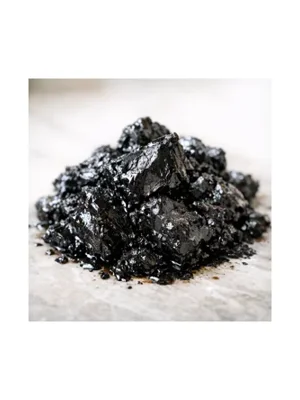
Baobab names no single substance
ReconstructedNot extracted.
Note Profile
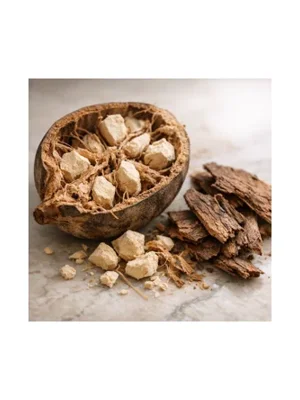
Baobab comes from the bark, leaves or fruit pulp of the Adansonia tree, native to sub-Saharan Africa and Madagascar. It is a niche material with limited supply. It smells gently woody, dry and slightly powdery, with green and earthy hints, like sun-warmed bark. It is used as a soft base note that supports other notes without leading them.
Baobab has a woody scent profile with dry, slightly powdery nuances and subtle hints of green and earthy undertones. Its aroma is gentle rather than assertive, with a soft, natural woodiness that can evoke the scent of sun-warmed bark and parched savannah. The note remains relatively linear, maintaining its dry, woody character throughout its evolution.
Read off the wheel, not a label applied to the note.
Not extracted.
Baobab is derived from the bark, leaves, or fruit pulp of the Adansonia tree, native to sub-Saharan Africa and Madagascar. In perfumery, essential oil or extracts are obtained through steam distillation or solvent extraction, though it remains a niche ingredient due to limited commercial availability.
Perfumers use baobab primarily as a base note to impart a soft, woody foundation and to add a touch of dryness to compositions. It blends well with other woods, resins, and green notes, and is often used in woody, aromatic, or nature-inspired fragrances. Its subtle character allows it to support and round out more prominent notes without dominating the blend.
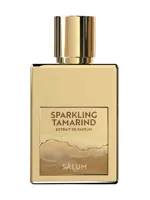
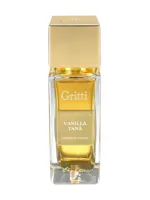
A selection of reviewed perfumes where Baobab appears prominently.
New finds, honest verdicts, and price drops.
No spam. Unsubscribe anytime. See our privacy policy.