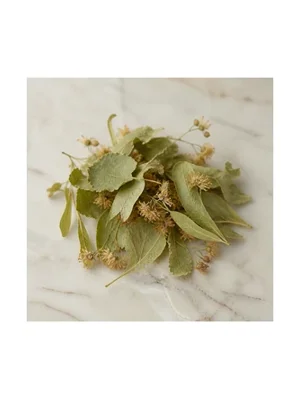
Linden Tree Leaf
Note Profile
About
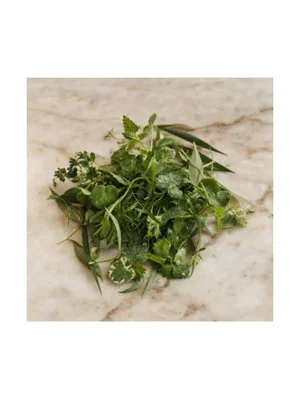
Linden tree leaf is the foliage of the lime tree, not its blossom. The only species-specific study of what the leaf gives off finds a headspace of monoterpene hydrocarbons, so it should read green and lightly citrus-herbal rather than honeyed. That is the opposite of the published linden-tree note, which is the flower. No source describes the leaf's smell in sensory words, so every facet here is translated from named compounds and the confidence is low on purpose.
Scent Profile
Green is beta-ocimene, the largest single leaf volatile, backed by the whole monoterpene-hydrocarbon class the study puts first. Aromatic_herbal is terpinolene with alpha-pinene behind it, the piney-herbal side of the same class. Citrus is limonene, named third of three and scored below the other two for that reason. Below, dry_woody is the sesquiterpene alcohols alpha-cadinol and epi-alpha-muurolol that dominate the distilled oil rather than the fresh headspace. No honeyed facet is scored, and that is the whole point of separating this from the blossom: the honey in linden comes from flower esters the leaf study does not report. It is not a claim that a leaf accord in a bottle contains no honey, only that nothing in the evidence puts it there.
ScentWheel
Read off the wheel, not a label applied to the note.
Origin
Tilia species, Malvaceae, the leaf rather than the inflorescence. Zoric et al., Topola/Poplar 206 (2020), measured Tilia cordata leaf volatiles in Serbia and say why: prior work was 'mostly focused on the compounds found in the inflorescence', and they turned to the leaves 'due to the fact that they last more than flowers'. They report that 'the main VOCs in all genotypes were beta-ocimene, terpinolene and limonene', with monoterpene hydrocarbons the largest class, and alpha-cadinol and epi-alpha-muurolol the most abundant compounds in the distilled oil. No commercial linden leaf extraction was found. Every Tilia material on sale for perfumery - CO2, absolute, concrete - is made from the blossom. Wikipedia's Tilia article credits the tree's 'distinctive fragrance' to the flowers alone and says nothing about the leaves smelling of anything.
Usage in Perfumery
Attested on 5 Parfumo entries across 4 brands and absent from Fragrantica. Read it as a green top-note modifier in linden and spring-garden accords. Whether those five uses name a real extraction or are a perfumer's shorthand for the green side of a linden blossom accord is unresolved, and that matters for the vector: the one perfumer description found of a linden blossom CO2 attributes its green edge to added violet leaf material, 'a bitter touch of violet leaf', not to Tilia foliage.
Similar Notes
Perfumes featuring Linden Tree Leaf
A selection of reviewed perfumes where Linden Tree Leaf appears prominently.
No perfumes featuring this note have been reviewed yet. Check back soon.